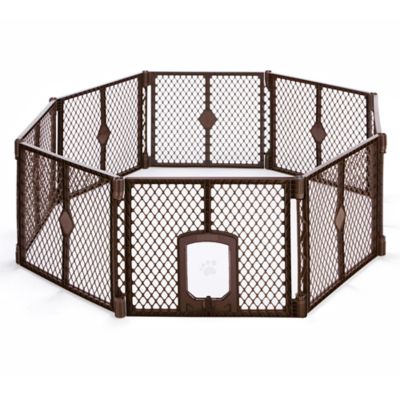
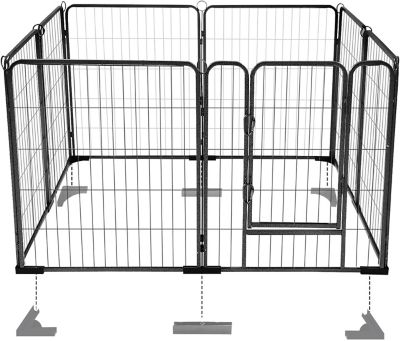
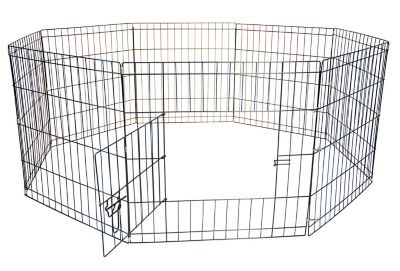
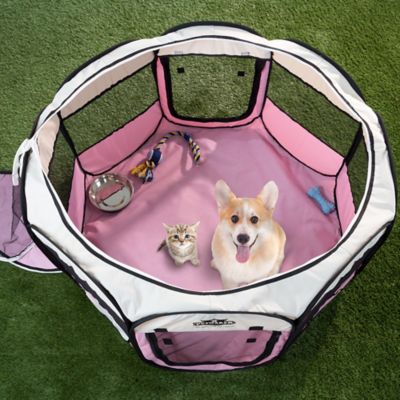
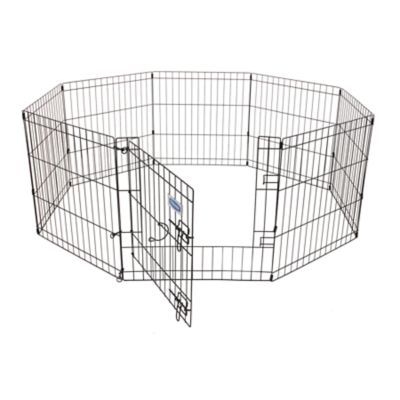
An 8 panel dog pen gives a dog a defined place to stretch out, play, and settle down while staying close to the household routine. Around a farmhouse kitchen, beside a covered porch, or on a level patch of yard, that little bit of separation can make everyday life easier. A puppy can work on a chew toy while muddy boots come off at the door, and an older dog can rest away from the bustle of visitors without being shut in another room. Eight connected sections form the enclosure, with the layout depending on the panel design and connection points. Some pens allow square, rectangular, or other arrangements, which helps when the open space beside the couch looks nothing like the space outside the back door. The number of panels alone does not tell the whole story, though. Panel width determines how much ground the enclosure covers, and panel height matters when a dog likes to stand on its hind legs or test a boundary. A suitable footprint leaves room for a dog to stand naturally, turn around easily, and lie down fully stretched out, with space left for water and an appropriate resting spot. For puppies, expected adult size deserves attention alongside present-day measurements. Temperament counts just as much: a quiet little companion and a springy young herding dog may need very different containment, even at a similar weight. An exercise pen works best as a supervised space rather than a replacement for walks, training, and time spent together. It can also help separate a dog from household activity during meals, floor cleaning, or a busy afternoon of company. For families bringing home a puppy, folks traveling with a calm canine companion, or anyone needing a movable boundary inside the house, the appeal is straightforward: a place for the dog that can fit into the way the day actually unfolds.
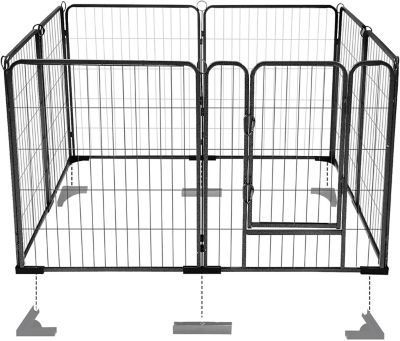
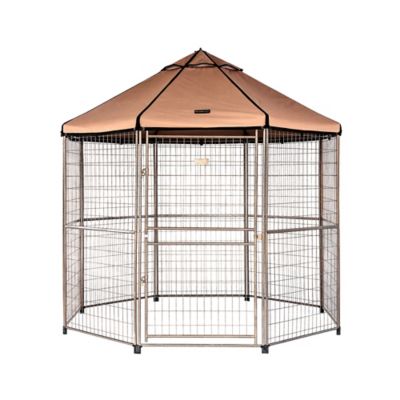
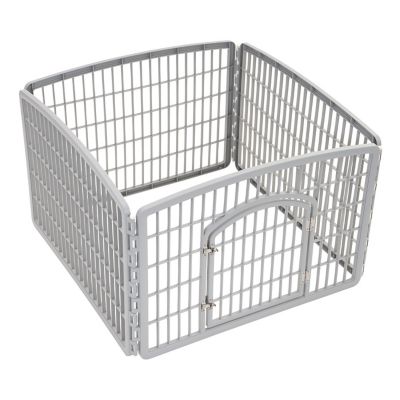
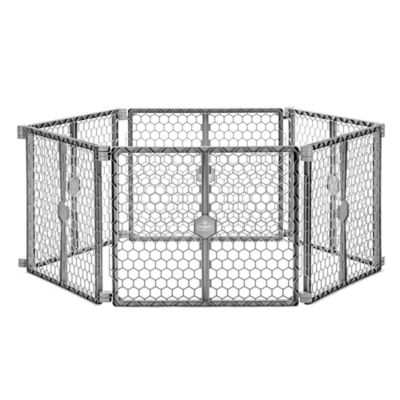
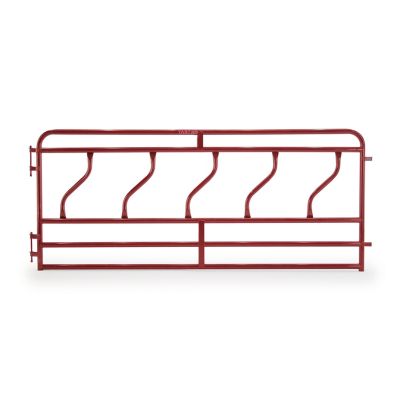
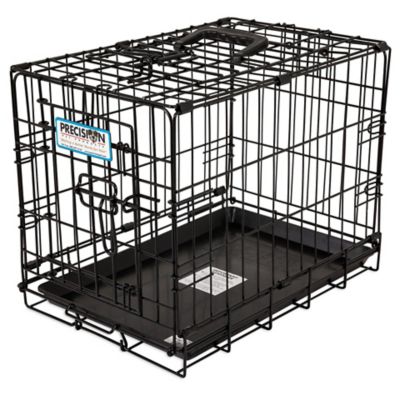
Materials and construction shape how an eight-panel dog pen handles that daily routine. Metal wire designs offer open sightlines and plenty of airflow, letting a dog see nearby people rather than stare at solid walls. Depending on the model, a protective finish may help the metal stand up to moisture, though outdoor suitability still depends on the manufacturer's stated use and care requirements. Molded plastic panels offer a different feel and surface, with weight, connection strength, and resistance to chewing worth considering. Lightweight mesh-sided designs may suit calm dogs and travel, but they are not a match for every set of teeth or paws. Across these styles, smooth edges, sound joints, and secure latches matter more than appearance alone. Panel openings need to suit the dog's size so a head, jaw, or paw cannot become trapped, and a small puppy should not be able to slip through a gap near the floor. A walk-through gate can make feeding, bedding changes, and cleanup easier, especially when stepping over a tall side would be awkward. The gate opening and threshold also affect access for a stiff older dog or someone carrying a full water bowl. Stability comes from the whole setup, not just the weight of an individual panel. A dog leaning against one side puts different pressure on an enclosure than a dog sleeping in the middle, and flooring changes how readily the base shifts. Indoor floor protectors may help limit scuffs where the design allows, while outdoor anchoring requires the right hardware and ground conditions for that pen. Stakes are not a substitute for supervision, particularly around a dog that jumps, digs, or pushes hard against barriers. For broader enclosure projects,
Wire Panels for Animal Enclosure offers a related category to explore, with animal size, panel spacing, and installation requirements still central to the decision. A portable dog pen and a fixed enclosure serve different purposes, so matching the structure to the job helps set sensible expectations from the start.
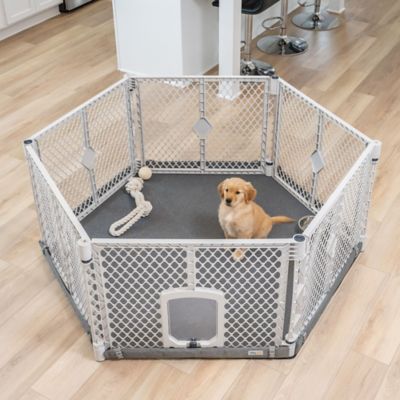
Living with a dog pen is as much about placement and upkeep as it is about dimensions. Inside, a level location away from electrical cords, curtains, heaters, and things a curious mouth can pull through the panels creates a more manageable resting area. Bedding should suit the dog's chewing habits, and bowls need enough clearance that an excited turn does not send water across the floor. A pen placed near regular household activity can let a dog stay part of the scene, although a quieter corner may work better for one that struggles to settle. Outside, the enclosure needs firm, even footing and close attention to conditions throughout the day. Shade moves, grass holds moisture, and a pleasant breeze can turn biting during the cooler months. An open pen does not provide protection from harsh weather, wildlife, or loose animals, so outdoor time calls for nearby supervision and a suitable place to head indoors. Around rural properties, keeping the setup well away from livestock fencing, equipment traffic, and feed storage helps avoid trouble that a simple panel boundary cannot prevent. Routine care is usually easier when the pen is accessible on all sides and the joints do not sit buried in wet grass or bedding. Cleaning methods should follow the material and finish requirements, with pet-safe products applied as directed and surfaces allowed to dry before the dog returns. Hinges, connectors, and latches deserve regular checks for looseness, damage, or corrosion, especially after folding, hauling, or outdoor exposure. For households that move the pen between rooms or pack it for visits, folded dimensions and carrying weight can matter nearly as much as the setup size. Connections that assemble without a wrestling match make those transitions less of a chore, but they still need to stay secure once the enclosure is standing. A short, calm introduction with supervision helps a dog become familiar with the space before longer stretches of quiet time. With a sensible match between the dog's habits, the available floor space, and the demands of everyday care, an eight-panel pen can become a practical part of life at home and away.