Grow More in Less Space with Raised-Bed Gardens
Authored by Tractor Supply Company
Authored by Tractor Supply Company
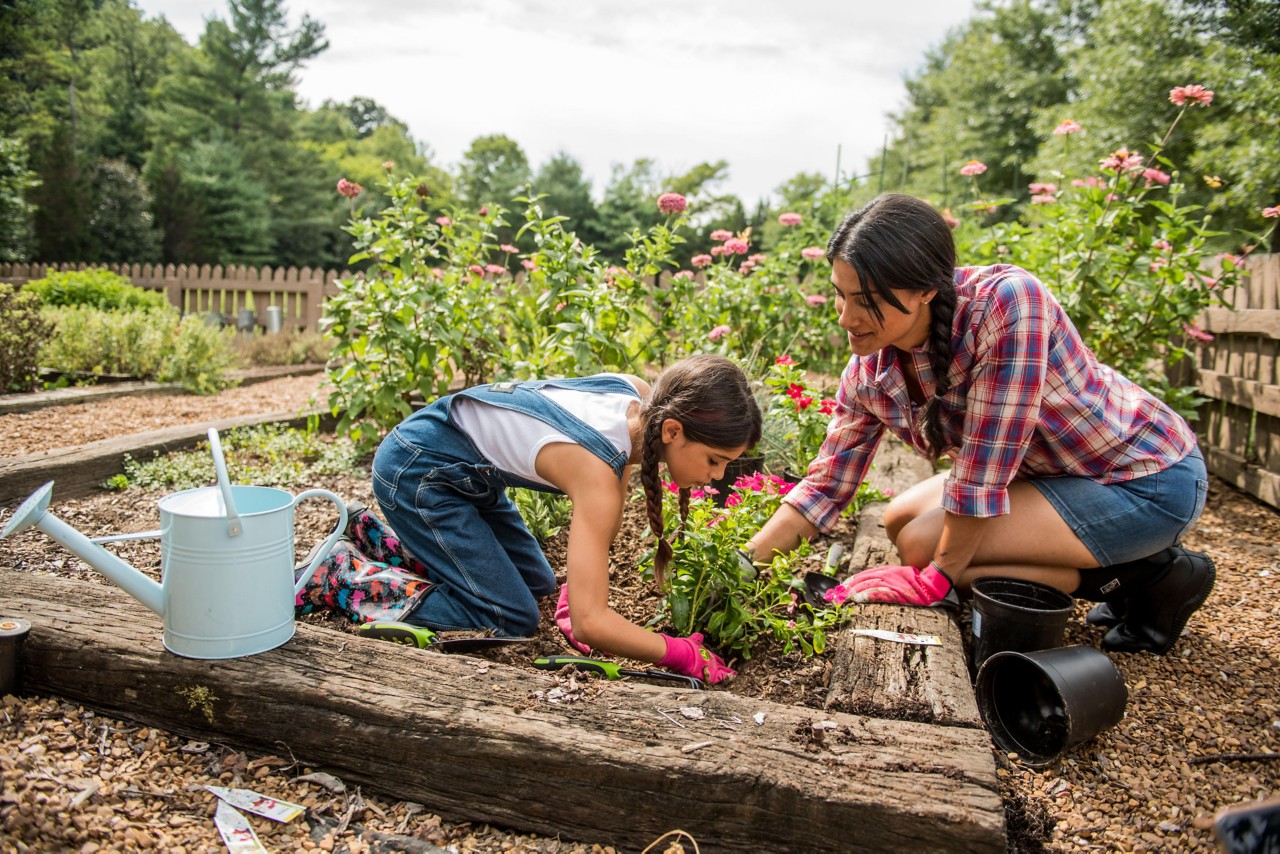
Perhaps you want to start a garden, but your property doesn’t have suitable soil conditions. Or, maybe you just like the look and feel of a raised garden bed, offering an elevated design to save your back from hours of hunching over. Either way, before building or purchasing your raised garden bed, it can help to know exactly how to plan and care for one. Tractor Supply offers all the supplies you’ll need, as well as tips to help you start creating the garden space of your dreams.
Also called prebuilt gardens, raised garden beds are special in that you can use them to grow anything that you would in a traditional ground garden, from herbs to vegetables to flowers. And just like traditional gardens, you must carefully plan out where plants will go and how far to space them from each other. Because raised garden beds are often built smaller and offer less growing space than traditional gardens, you must create a plan to configure your plants so you can maximize space.
Start by researching the best plants to plant close together, such as bush beans, tomatoes, peppers, and squash. Don’t forget about the power of vertical gardening, where plants grow up on vines and trellises versus on the ground. Raised garden beds are perfect for vertical-growing plants, including snap peas and cucumbers, as their tall height keeps soils shaded, helping to prevent weed growth. You can also get a little creative with your plant setups, even using a triangle-shaped formation instead of rows.
Additionally, these types of gardens are ideal for growing root vegetables, as the soils within them stay loose and crumbled, allowing for successful root growth, and harvesting. During warmer seasons, grow delicious lettuces, and in cooler temperatures, try growing radishes or carrots. What’s more, vegetables aren’t the only plants you can add to your raised garden beds. If you love the colorful, bright blooms of flowers and want to add flair to your backyard space, use raised garden beds to plant cut gardens, featuring fresh blooms, such as daisies, sunflowers or zinnias.
After planning how you want your garden to look and the types of plants you want in it, it’s time to start building your raised garden bed. For easy and quick growing, choose a prebuilt garden with the dimensions appropriate for your space. Stack them atop each other to increase your garden’s depth, which is especially important if growing root vegetables that require added depth for successful growth.
While pre-built raised gardens are ideal for less handy homeowners, making your own allows you to customize exactly how large and tall your garden spaces will be. As a general rule, raised beds should be at least 3 to 4 feet wide, allowing for easy access when planting or weeding, with the standard length measuring about 8 feet. The depth of your raised garden should also be at least 12 inches deep, giving you enough room to add soils. However, you can make your garden bed as large or as small as you want.
But before you can start building, you must plan exactly where your beds are going to go. You want to choose an area that receives at least six hours of sunlight per day, allowing all plants to get the TLC they need to grow and thrive. You should also ensure the ground surface your garden sits on is level, as this will let all plants grow well and stay upright. Additionally, you must keep garden beds easily accessible and convenient to maneuver around, especially when it comes to lawn mowers and other lawn care tools. Consider using wood chips or gravel to create pathways around and between your garden beds.
When building your raised garden bed, you must choose materials that can withstand outdoor elements, such as moisture, which can lead to rotting and deterioration. For wood, opt for redwood and cedar materials, which naturally resist rot. Untreated versions of these woods are also great for keeping organic gardens healthy for edible plants. Or, use stones, bricks or synthetic lumber, as well as metal or plastic, for a unique, durable touch. If using metal, beds should have an added galvanized finish to prevent rusting and corrosion.
After building your garden beds, the next step is to line them with hardware cloth or landscape fabric. This helps to keep pests out of beds and allows plant roots to stay in. Next, it’s time to fill the bed with soils, which are made up of clays, sands and silts to give plants the nutrients and soil conditions they need to grow.
Soils come with different ingredient makeups, and you want something that’s not too sand- or soil-heavy, which can prevent soils from holding water. Also look for an option that doesn’t have too much clay, which makes soil retain too much water. Raised garden beds need well-draining soil with added nutrients and organic matter, such as pre-mixed, raised garden bed soil.
But before adding seeds to your raised garden, you must ensure they’re prepared for planting. For example, some seeds, such as tomatoes, require you to start seedlings indoors, acclimating them to larger pots and outdoor environments over time. For these types of plants, you must plan ahead, starting your seeds well before ground temperatures rise above freezing. This allows you to be prepared as soon as warmer weather hits. Other plants can be directly sowed into garden soils, meaning all you’ll have to do is carefully plant them in your garden when temperatures warm up and add a seed starter mix to get them going.
After planting seeds, consider adding a slow-release fertilizer to give plants a health boost at the start of growing. You should keep in mind that different soils have varying requirements for how they should be planted into raised garden beds. For instance, soils containing fine wood particles may need a thorough watering before you start planting your flowers or vegetables. Always look at the specific prep instructions for your soil and plants before applying them in your garden.
Raised garden beds make caring for plants easy and convenient by keeping weeds and other pests centralized to the bed, meaning they’ll stay within your raised garden versus spreading across many plants in a traditional row garden. They also elevate gardens off the ground, and you won’t have to bend over plants for hours watering or harvesting them.
Caring for your plants starts with regular watering, applying enough so that it reaches deep within the soil and plant roots. While many people use simple garden hoses to complete this, others install drip irrigation systems, or soaker hoses, which go inside soils and mulches and feature small holes along the hose so water can drip consistently and underneath the surface.
As many gardeners already know, different plants have varying requirements for how much water and sunlight they must receive. Some plants thrive on full sun to part shade, needing at least six hours of sun to grow, while others grow well in part sun to full shade conditions. You must pay attention to your plant’s specific watering and sunlight directions to allow for efficient, successful growth, which can be found on the back of seed packets.
When cold weather hits, you don’t have to retire your gardens for the season. Instead, prepare them for wintertime harvests and blooms. Because raised garden beds are elevated from the ground, soils become dryer faster and warmer sooner than ground soils, meaning you can start planting cool-season crops even earlier. Cover raised gardens in row covers during colder months to allow for harvesting over all seasons.
But if you’re someone who exclusively enjoys warm-weather gardening, you must clean up and prepare your raised garden beds for a long winter ahead. Start by composting any leftover plants, and trim away at dead leaves or stems on perennial plants using hand pruners. Next, remove all weeds, making sure to pull out their entire root systems with a mini shovel, as well as any trellises or plant supports.
Now, you must protect soils and get them ready for colder weather by applying either a slow-release granular fertilizer or compost, and covering them in mulch or a garden cover. Make sure to water the soil well before grounds begin freezing.
When you need the right supplies for and assistance with your garden space, rely on the tools and accessories from our store and online. From flowers to vegetables to herbs, you can plant anything that brings you joy, whether you want colorful blooms to spruce up backyard spaces or crops for fresh-grown flavor in your favorite dishes. To learn more about planning, building and caring for your raised garden beds with our products, visit your local Tractor Supply store today or browse online.