

Concrete Anchor
Concrete Anchor (33)


Compare
Add up to 4 items
Frequently Asked Questions About Concrete Anchor
Concrete Anchor
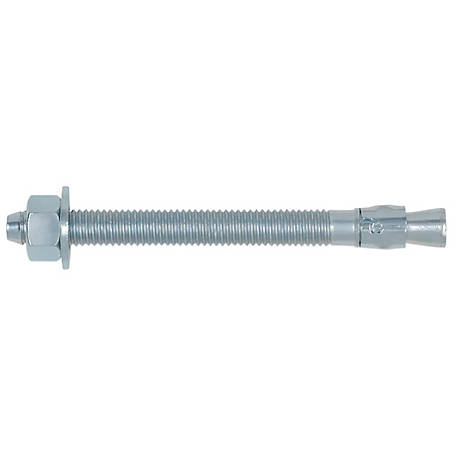
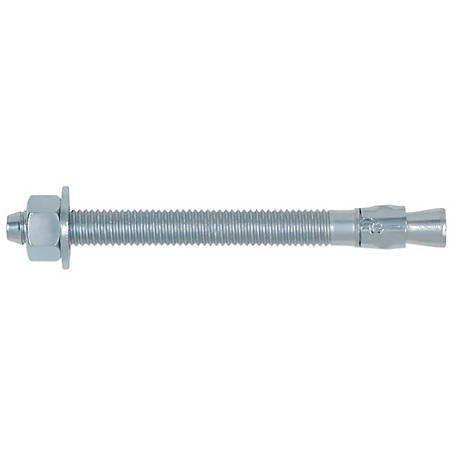
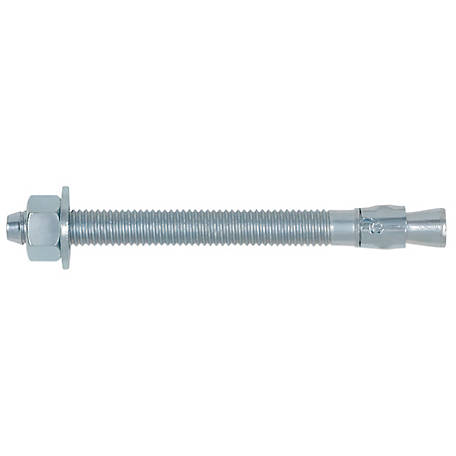
Poured concrete, masonry and block all need concrete anchors designed specifically for dense, hard bases. Concrete anchors available at Tractor Supply span a variety of sizes and materials, so you can feel confident materials will meet your job’s exact specifications and your build will hold securely.
Made for the Toughest Base Materials
A screw driven into wood bites into the fibers and remains secure. In contrast, concrete lacks the fibers for threads to grip, so a fastener installed without an anchor will loosen over time from load or vibration. Our rugged fasteners made for masonry hold differently, using expansion, friction or direct threading to lock into the drilled hole. That mechanical connection is what makes them reliable for home improvement applications where fixtures need to stay in place for years, such as mounting conduit, setting shelf hardware or securing gate hardware in a concrete post.
Anchor Materials and Protective Coatings
Carbon steel and hardened steel are common in concrete anchors used for dry, interior work where corrosion isn’t a concern. Zinc alloy construction and zinc-plated finishes enhance performance in areas exposed to moisture, helping slow surface corrosion over time. Some contractor-strength anchors use a nylon or plastic expansion body that presses outward against the hole wall as the screw is tightened. Picking the right material upfront keeps the anchor secure and reduces the chance of failure down the line.
Common Lengths and What They Handle
Anchor length controls embedment depth, and embedment depth affects how much the anchor can hold. A 1-1/4-in. anchor sets shallow and handles light work, while mid-range lengths between 2-1/4 in. and 2-3/4 in. give more surface contact for heavier brackets. When pull-out resistance matters most, longer concrete anchors reach further into the base material and provide a more secure hold against tension.
Shop Concrete Anchors from Tractor Supply
Concrete anchors take on the jobs that standard fasteners can’t handle, from utility work in a poured-floor shop to structural hardware on a working farm. Our complete hardware range includes the types and sizes most used across farm, shop and property projects. Explore our concrete anchor selection on our website or at your local Tractor Supply store.