Thanksgiving Ranch Decorations
Thanksgiving Ranch Decorations bring that warm, country charm to your fall celebrations. From rustic touches to festive accents, it’s easy to turn your home and barn into a cozy gathering spot for family and friends. Whether you’re dressing up the front porch or adding autumn flair to the dining table, these decorations capture the spirit of the season and make every corner feel inviting. Celebrate Thanksgiving with a down-home touch that shows off your ranch pride.
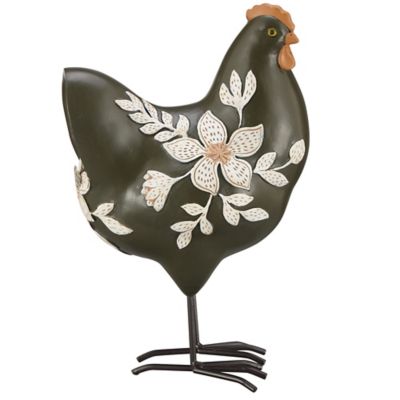
$12
.99
Sale Was $16.99 Save $4.00 (24%)
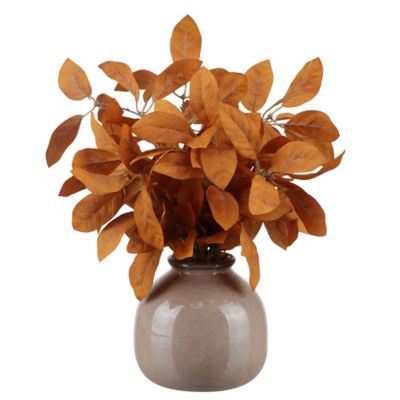
$12
.99
Sale Was $24.99 Save $12.00 (48%)
Best Of FAQ
What types of Thanksgiving ranch decorations are popular?
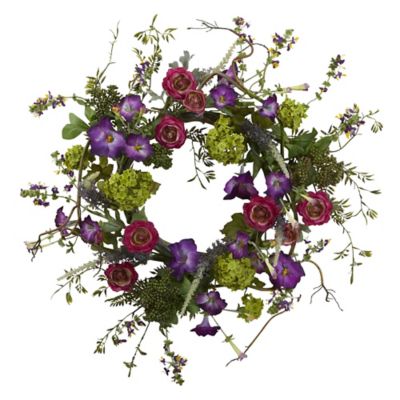
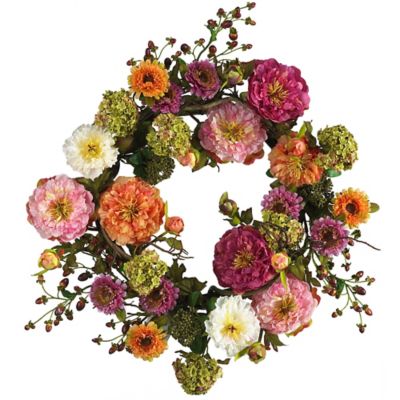
Popular Thanksgiving ranch items include rustic wreaths, harvest-themed table centerpieces, hay bales, corn stalks, pumpkin displays, and farmhouse-style signs. Many people also use string lights and autumnal garlands to create a cozy, festive atmosphere.
How can I create a welcoming Thanksgiving atmosphere on my ranch?
To create a welcoming Thanksgiving atmosphere on your ranch, consider using natural elements like pumpkins, gourds, and dried corn. Add warm-toned textiles such as plaid throws or table runners, and incorporate outdoor-friendly items like lanterns or wooden signs with seasonal messages.
Are there outdoor Thanksgiving decorations suitable for ranch entrances?
Yes, outdoor Thanksgiving items such as large harvest wreaths, stacked hay bales with pumpkins, and festive yard stakes are perfect for ranch entrances. These pieces help set a seasonal tone and make your property inviting for guests.
Can I use farm equipment as part of my Thanksgiving display?
Absolutely! Repurposing old farm equipment like wheelbarrows or wagons filled with pumpkins, mums, or corn stalks adds authentic charm to your Thanksgiving ranch setup. These pieces can serve as interesting focal points in your outdoor arrangement.
What color schemes work best for Thanksgiving ranch decorations?
Traditional color schemes for Thanksgiving ranch items include warm earth tones such as orange, brown, gold, deep red, and muted greens. These colors reflect the autumn harvest season and complement rustic farmhouse styles.
Best Sellers
-
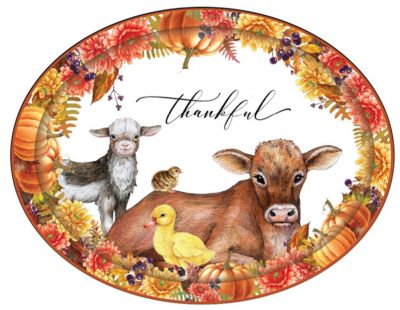
"Great size! Great quality! Love the design"
-
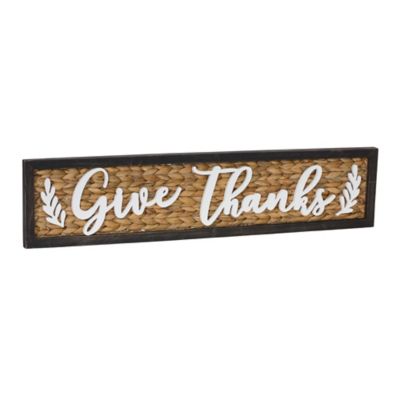
"Great quality, love the woven part"
-
"I love this store! I buy alot of chicken Deco"
-
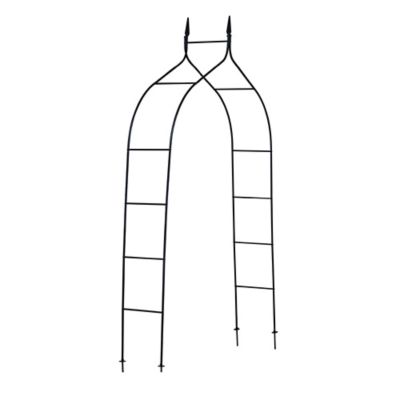
"I love my trellis. I'm using it to have cucumbers climbing on it"
-
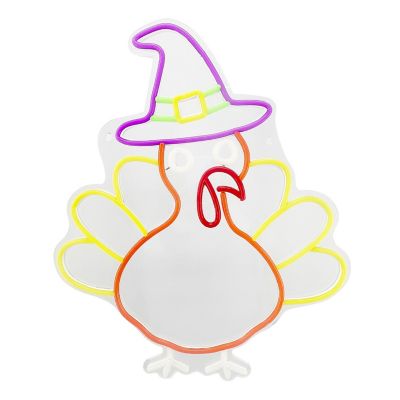
"This lighted turkey makes a great display in your windows, covered patio or on a wall to brighten your"