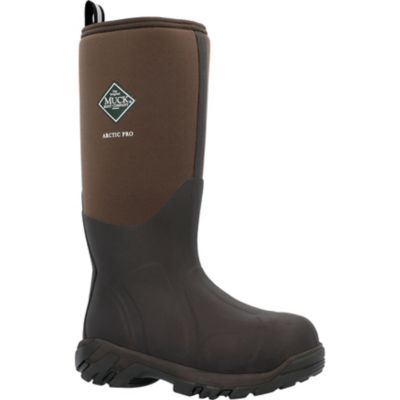
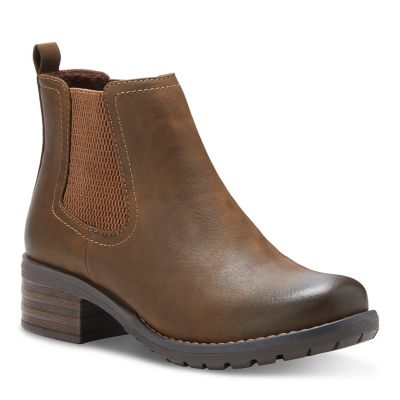
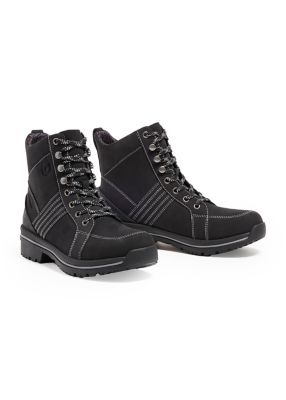
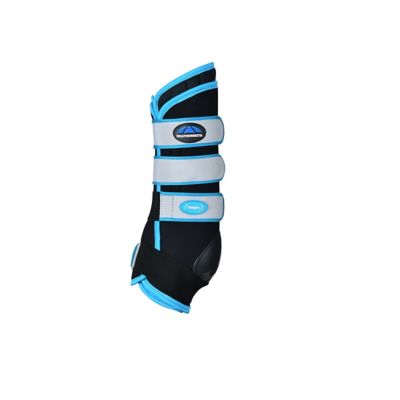
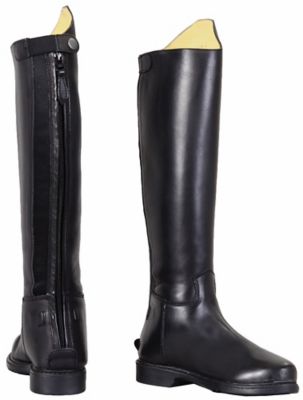
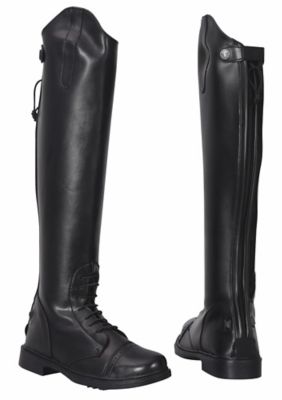
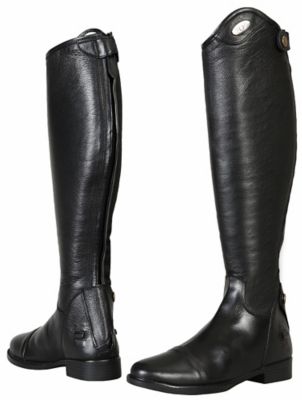
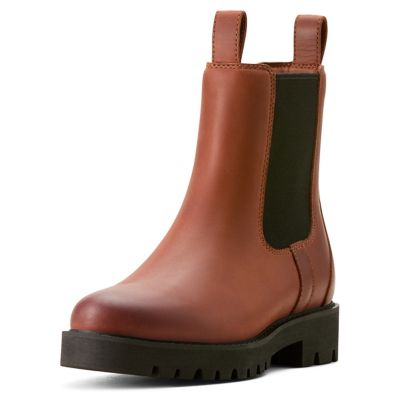
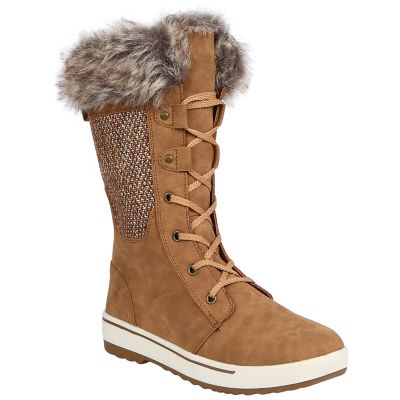
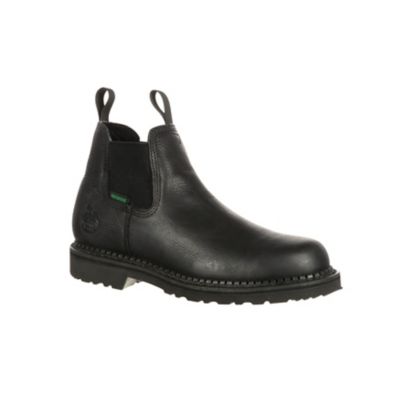
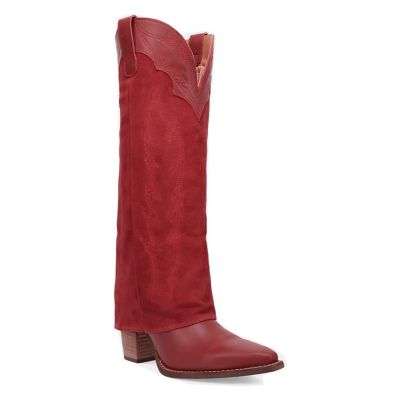
Stable boots for holiday giving fit right into life around horses, where a useful gift can earn its place at the barn long after the wrapping paper is gone. The name can mean two different things: footwear for the person doing chores or padded leg boots intended for a horse’s time in the stall. Each serves a different purpose, and the right match starts with the work ahead. For people, stable footwear needs to suit feed runs, stall cleaning, grooming and the walk between the house and barn. Rubber and other waterproof constructions make sense where puddles, wash water and muddy gateways are part of the routine. Leather offers a different feel and needs regular attention to stay supple, while neoprene panels can add flexibility and insulation in designs built for cold conditions. Waterproof protection depends on the whole construction, including seams and closures, rather than the outer material alone. A taller shaft provides more coverage through muck and splashes; a shorter boot can feel less restrictive for frequent bending and trips in and out of the tack room. Underfoot, tread with enough space between the lugs can shed packed dirt more readily than a shallow pattern, though no outsole makes an icy barnyard risk-free. Comfort matters just as much when a quick feeding turns into an afternoon of hauling bedding and filling water buckets. A secure heel, room for toes to move and cushioning beneath the foot help a boot feel settled without pinching. Insulated styles need enough space for the socks worn with them, not so much extra room that the foot slides at every step. Stable footwear and riding footwear are not automatically interchangeable, either. A broad work-boot sole or deep tread may not suit a stirrup, so boots intended for riding need the appropriate heel, sole shape and fit for that purpose. That distinction matters for a gift recipient who moves between barn chores and time in the saddle.
For the horse, stable boots are a separate category of legwear, generally built around padding, an outer shell or wrap, and adjustable closures. Depending on their design, they provide coverage against minor knocks or contact while the horse is stabled. They are not people’s footwear, and they should not be treated as interchangeable with turnout boots, exercise boots or shipping protection. Soft fleece, quilted padding, synthetic fabrics and removable liners are among the materials found in this type of horse gear. Each affects how the boot sits against the leg, how readily it can be cleaned and how much heat or moisture it may hold. Breathable construction and moisture-managing liners can be useful features, but covered legs still need regular checks; a thick lining is not automatically the best choice for every horse or barn. Fit involves more than picking a familiar size label. Leg measurements, front-versus-hind placement, coverage around the fetlock and the position of the closures all matter. A boot should sit as its maker intends without slipping, bunching or creating pressure points. A horse resting quietly in a deeply bedded stall has different needs from one that frequently brushes its legs together, and existing swelling, skin irritation or an injury calls for advice from a veterinarian rather than a guess at extra padding. Holiday gifts for horse owners work best when the giver knows the horse’s measurements and the owner’s established care routine. Christmas ribbons belong on the package, not tucked beneath a fastening or attached where a horse might chew them. Clean legs, clean liners and consistent checks matter more than a festive presentation once the boots are in the barn. Any stated wear limits and fitting directions remain important, especially when chores pass from one family member or barn helper to another during holiday visits.
For either kind of stable boot, everyday care helps preserve the materials and keeps small problems from turning into uncomfortable wear. On footwear, packed mud around the welt, sole edge or zipper deserves attention before it hardens, and manure should not sit on the surface longer than necessary. Cleaning methods need to match the material: leather may call for a suitable cleaner and conditioner, while rubber and synthetic surfaces often need a gentler wash and a thorough rinse. Drying boots away from direct heaters helps avoid damage to leather, rubber, adhesives and linings. Removable insoles can be aired separately when the design allows it, and a dry storage spot beats leaving damp footwear in a closed tote. Horse boots need their own routine, with hair and bedding cleared from hook-and-loop closures, grit removed from the inside and washable liners cleaned according to their care labels. Completely dry padding is important before the next wear, and seams, straps and fastening surfaces deserve a look for wear or rough spots. Those details also help shape a thoughtful holiday choice. A horse owner handling morning feeds may appreciate easy-on footwear that works with everyday barn pants, while someone spending hours on concrete may put more value on cushioning and a steady fit. For a child or teen helping at the stable, manageable weight and a secure fit matter more than buying extra room to grow. For an experienced horse owner, leg boots are best matched to a known need rather than chosen on appearance alone. When the gift is meant for gatherings away from the barn instead,
Stylish Boots for Holiday offers a different direction to explore. Stable boots for holiday giving keep the focus on practical details: the right coverage, materials suited to the job and a fit that makes sense for the person or horse wearing them.