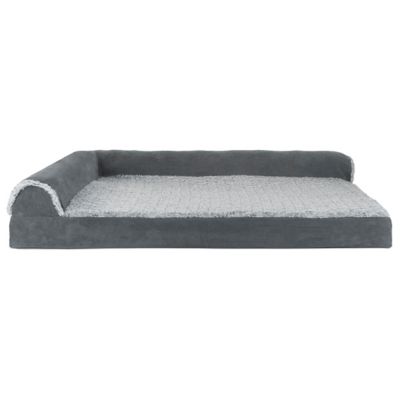
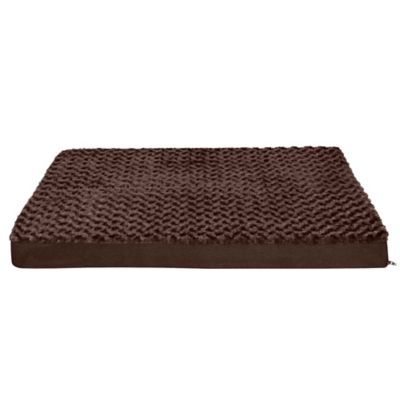
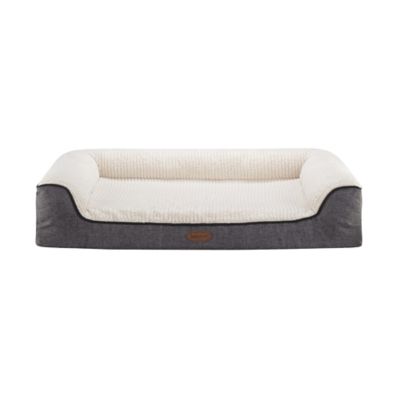
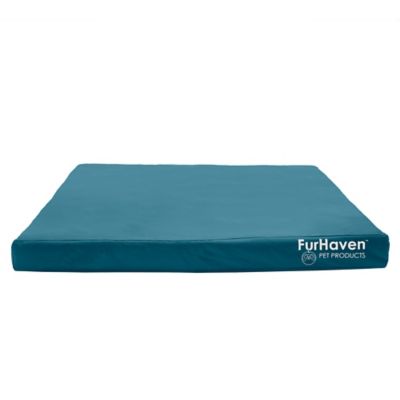
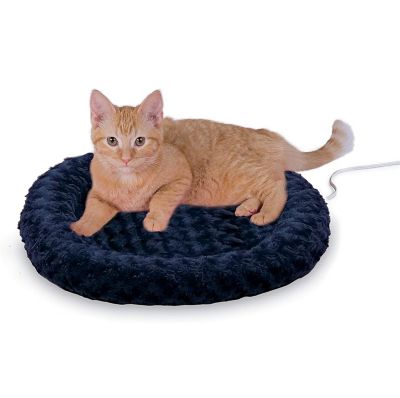
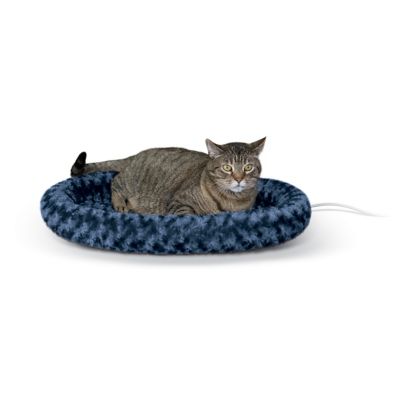
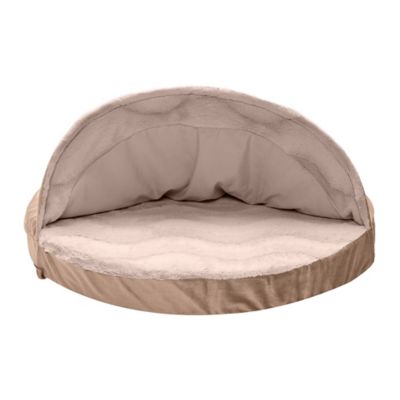
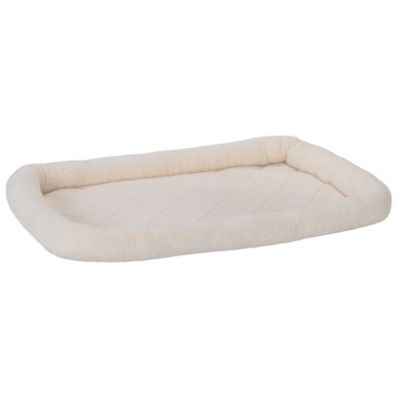
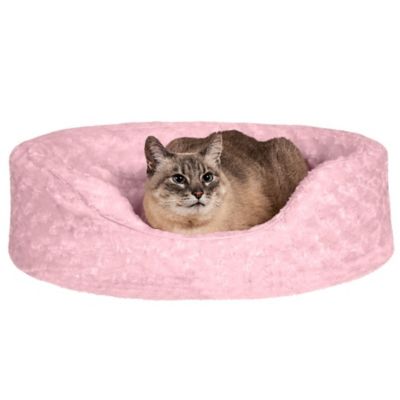
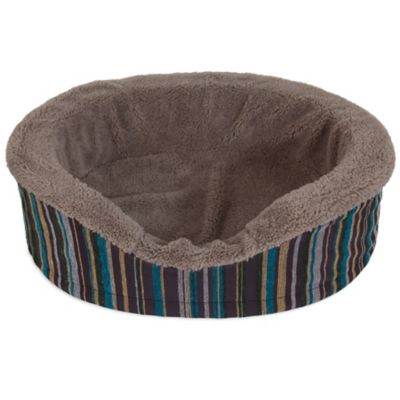
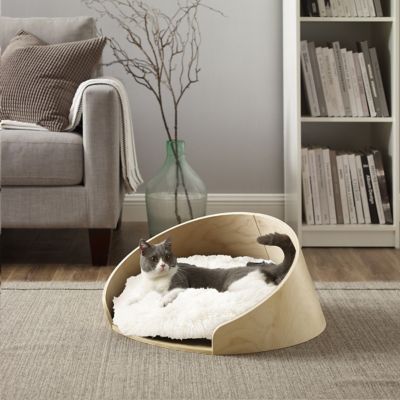
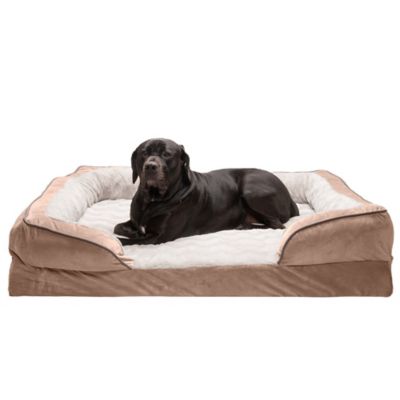
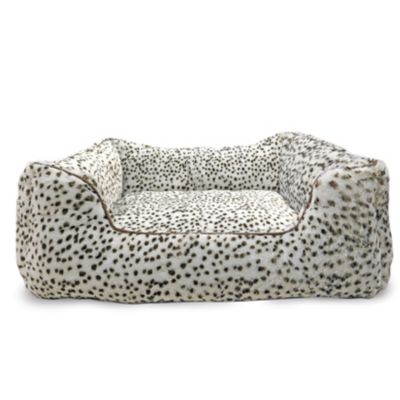
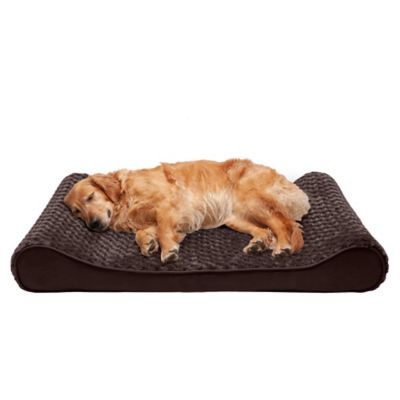
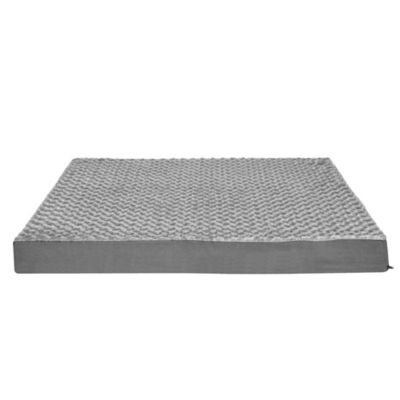
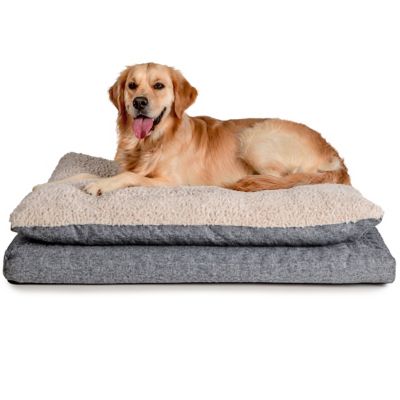
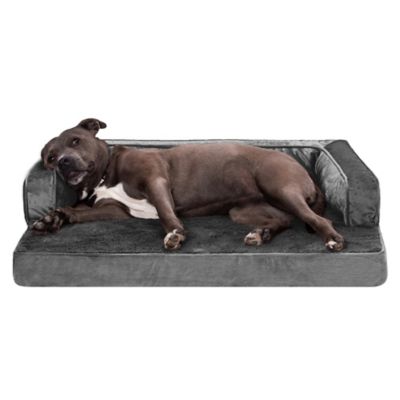
Orthopedic cat beds give your cat a softer, more supportive place to rest, especially when hard floors, thin cushions or ordinary blankets no longer seem comfortable. These beds are made with features such as high-density foam, memory foam or thick, resilient padding that helps distribute body weight instead of letting a cat sink down against the floor. That extra cushioning can ease pressure on hips, shoulders, elbows and other tender areas while supporting a more natural resting position. Senior cats, cats with feline arthritis, and pets recovering from an injury may benefit most, but a well-made orthopedic bed can also be a comfortable everyday spot for cats of any age. Young cats spend plenty of time sleeping, and a supportive bed gives them a dedicated place to stretch, curl up or watch the household from a cozy corner. During the cooler months, it can help keep a cat off chilly tile, concrete, hardwood or drafty floors, whether it is placed in a quiet bedroom, near a sunny window or in a barn office where your indoor-outdoor cat likes to settle after making the rounds. Look for a bed sized to your cat’s preferred sleeping style. A cat that curls into a tight ball may enjoy a nest-like shape with a raised edge, while a cat that sprawls from nose to tail will usually be more comfortable on a flat mattress with enough room to stretch. Bolster edges can give cats a place to rest their chin and lean against while keeping them feeling tucked in, though a low-profile design is often easier for stiff or aging cats to step onto and leave without straining. If your cat has trouble climbing, jumping or stepping over tall edges, choose an easy-entry bed with a low front or nearly level surface. Set it where your cat already likes to nap, since even the best bed may go unused if it is placed in a busy walkway or far from familiar sights and smells. A quiet corner near family activity often works well: cats like their peace, but many still want to keep an eye on the room.
When comparing orthopedic cat beds, pay close attention to the support beneath the cover. High-density memory foam or a thick, firm foam base can help absorb weight more evenly and reduce the uncomfortable pressure points that develop when a pet rests on a thin pad. The bed should feel supportive rather than stiff, with enough give to cushion joints without collapsing flat after a few uses. A removable, machine-washable cover is a practical feature for households dealing with shedding, muddy paws, hairballs or the occasional accident. Look for sturdy seams, a cover that fits securely and fabric that feels soft against a cat’s coat without trapping too much heat. Cats often appreciate plush or fleece-like surfaces when the air turns cold, while breathable fabrics may be better for warm rooms or cats that tend to overheat. A non-skid bottom helps keep the bed from sliding across smooth floors when your cat steps on or off, and a lightweight design makes it easier to move from a sunny porch to a quiet indoor spot. Measure the sleeping area, not just the cat’s standing length, and leave enough room for natural movement. If your cat is between sizes, more space is generally helpful for stretching, changing positions and getting comfortable around sore joints. Consider the bed’s height and shape alongside your cat’s mobility. A raised rim may provide reassuring support for the head and neck, but a tall-sided bed can be awkward for a pet with limited movement. Flat orthopedic mattresses are often a sensible choice for older cats, cats with arthritis or pets that are healing and need to avoid unnecessary climbing. For cats that like to hide, a covered or cave-style design may create a secure retreat, while a more open bed lets them stay aware of nearby people, dogs and household activity. Place the bed away from cold drafts, damp areas and heavy foot traffic, and keep it on a stable surface where it will not tip or slide. A familiar blanket can help a hesitant cat accept a new resting spot, but give the bed time to become part of the daily routine rather than moving it around repeatedly.
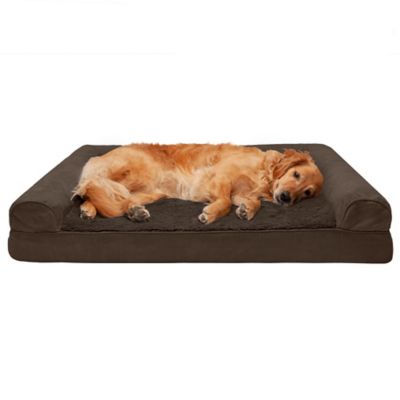
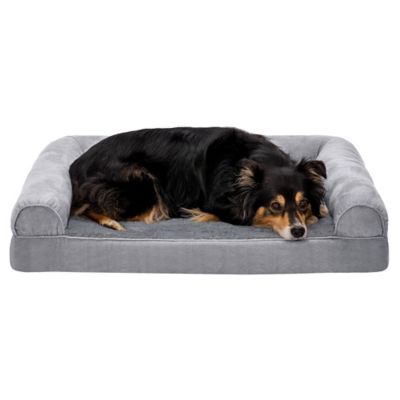
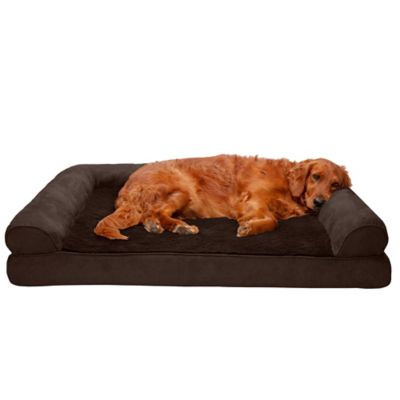
An orthopedic cat bed can be a thoughtful gift for a cat owner welcoming a senior pet, caring for a newly adopted adult cat or preparing a comfortable recovery space after a veterinary visit. It is also a useful addition for homes with several cats, since an extra supportive resting place can give an older cat a quiet break from playful housemates. Watch how your cat gets in and out of bed, whether they change positions easily and whether they return to the bed on their own. These simple observations can help you decide if the surface, height and size are working well. Wash the cover according to its care instructions, remove loose hair regularly and check the foam or filling for flattening, lumps or moisture. A bed cannot treat arthritis or correct an injury, so sudden stiffness, limping, trouble jumping, changes in grooming or reluctance to move should be discussed with a veterinarian. Your veterinarian can also offer advice about safe comfort measures for a cat with chronic joint pain or a medical condition. For homes with both cats and bigger dogs, it can be helpful to create separate resting areas so each pet has enough room and does not have to compete for the warmest corner. A larger dog may need a different level of support and a sturdier sleeping surface; browse
Orthopedic Dog Beds For Large Dogs when shopping for a companion dog. Whether your cat sleeps in a farmhouse mudroom, a heated apartment or a favorite chair by the window, the right orthopedic bed gives them a dependable place to rest their whole body. With supportive foam, an easy-access shape, washable materials and a location that fits their everyday habits, you can make nap time more comfortable through cooler weather and all year long.