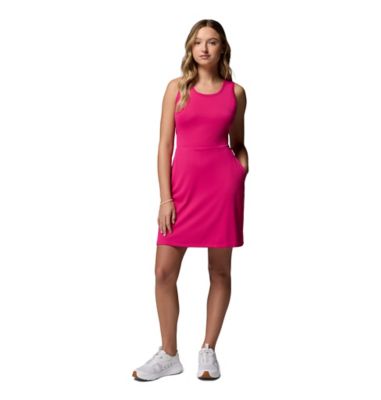
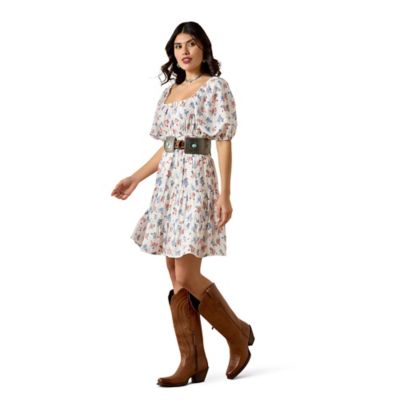
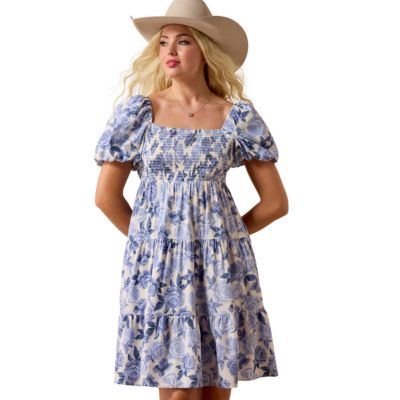
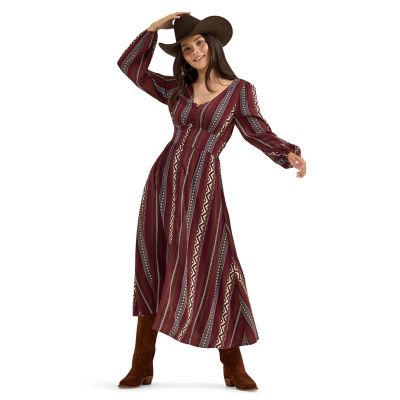
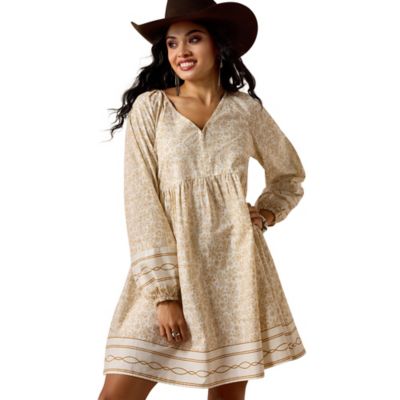
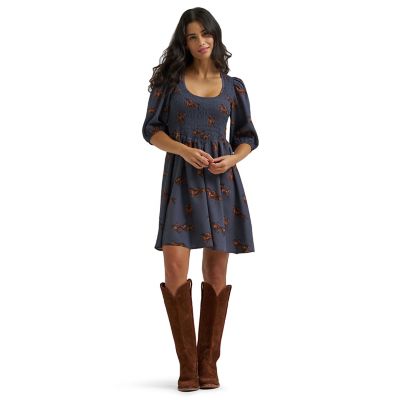
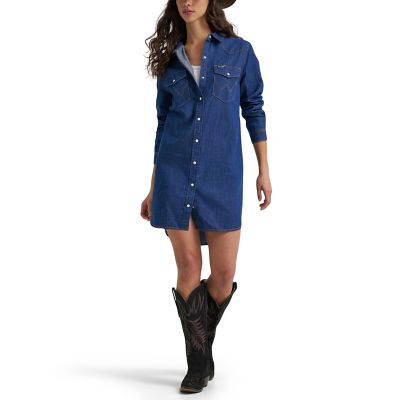
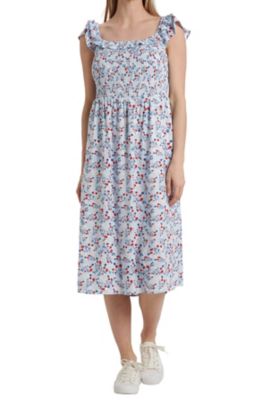
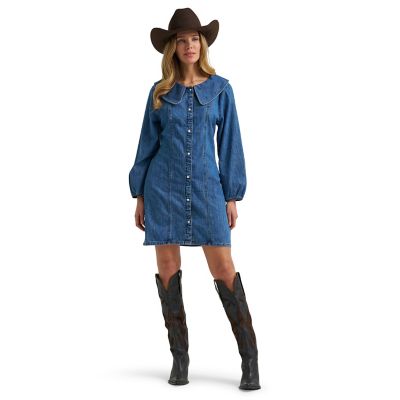
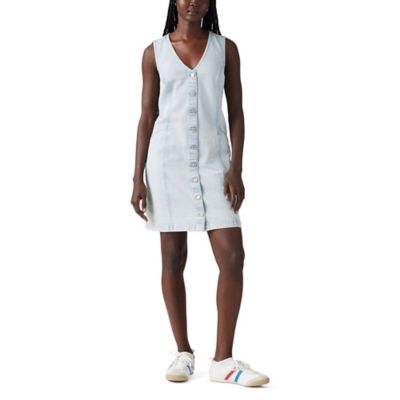
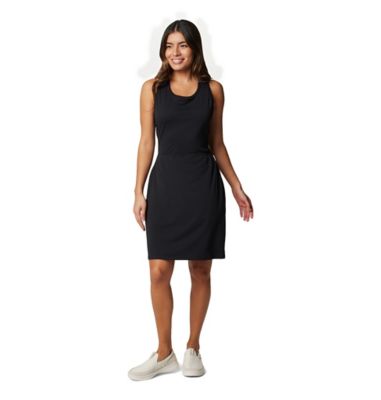
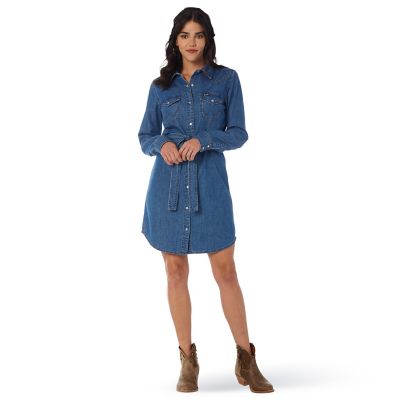
A Mother's Day dress brings a little occasion to the day, whether the plans include church, a family brunch, a backyard lunch, or supper at a favorite local spot. Cotton dresses, floral midi dresses, and flowing maxi dresses are popular choices because they cover a range of celebrations without feeling too formal. The best match depends on how the day will unfold and what Mom enjoys wearing. A casual T-shirt dress has an easy feel for a relaxed gathering, while a shirtdress offers a more structured look with a collar and button-front details. A wrap or wrap-style dress brings definition at the waist, and an A-line shape gives the skirt room to move without fitting closely through the hips. Midi dresses generally fall between the knee and ankle, making them a practical middle ground for sitting down to dinner, walking across the yard, and gathering everyone for a family photo. Maxi dresses have a longer silhouette that can feel dressy or laid-back depending on the fabric, print, and shoes. Hem placement varies with height, so the same dress may fall near the ankle on one person and closer to the floor on another. Floral prints suit the occasion, but solid colors, small checks, and simple stripes can feel just as fitting. Soft pinks and blues offer a gentle look, while deeper shades and brighter patterns give the wearer more room to show her own taste. Sleeves and necklines matter as much as the skirt length: a short sleeve adds shoulder coverage, a flutter sleeve allows an airy feel, and a sleeveless shape pairs easily with a light layer. A neckline that stays comfortably in place through hugs, meals, and bending down for a picture with the grandkids helps keep the focus on the gathering. There is no single right level of dressiness for Mother's Day; the most fitting choice feels like something she would reach for, not something she has to fuss with all afternoon.
Fabric and construction make a real difference in how a Mother's Day dress feels over several hours. Cotton is often a comfortable choice for casual wear, with breathability and a familiar feel against the skin, though the weight and weave affect how much structure it has. Linen and linen blends can bring a relaxed texture, with some wrinkling as part of their character. Rayon and viscose often have a fluid drape that works well in gathered skirts and longer silhouettes, while polyester blends may offer wrinkle resistance and straightforward care, depending on the garment. Knit fabrics generally allow more movement than woven fabrics, and a small amount of stretch can make sitting, reaching, and stepping into a vehicle more comfortable. A lining can improve coverage and help a skirt hang smoothly, but its fabric and fit matter, too. Light-colored material, open weaves, and full skirts may need closer attention to coverage in daylight. Fit is about more than the size on the tag. Shoulder seams should sit comfortably, armholes should allow movement without rubbing, and buttons should lie flat rather than pull across the bust. An elastic waist offers flexibility, while a tie waist allows some adjustment without changing the overall shape. Pockets are handy for keeping small essentials close, provided they do not pull the skirt out of line when filled. For longer wear, firmly attached buttons, neatly finished seams, and stitching that lies flat are details worth noticing. Care requirements also help determine whether a dress suits the wearer's routine. Some fabrics handle machine washing, while others call for a gentle cycle, hand washing, or professional cleaning. The garment label is the place to check before washing or drying, especially with lined dresses, pleats, and gathered details. High heat can affect certain fibers and elastic components, and washing with similar colors helps protect the look of the fabric. A dress that fits well and fits into everyday laundry habits is easier to keep in the regular rotation after the holiday.
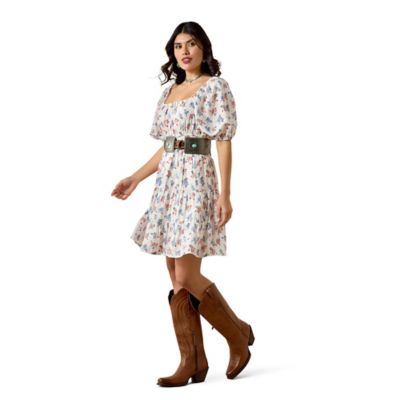
The finishing touches can take the same dress from a quiet meal at home to a larger family celebration. Flat sandals keep a casual cotton dress relaxed, while low heels or simple flats bring a little more polish to a midi length. Cowboy boots can work naturally with a floral dress when that is already part of the wearer's style, especially for a gathering at a farm or country venue. Footwear should suit the ground underfoot as well as the outfit; a broad, stable sole makes more sense on gravel or grass than a narrow heel. Putting together
Mother's Day Outfits can be as simple as pairing a favorite dress shape with comfortable shoes and a layer that is easy to carry. A cardigan softens the look, while a denim jacket gives it a more casual finish. Small earrings or a familiar necklace can be plenty when the dress already has a busy print, textured fabric, or an interesting neckline. For anyone choosing a dress as a Mother's Day gift, the recipient's usual wardrobe offers better clues than a passing trend. Her preferred sleeve length, favorite colors, typical hemline, and comfort with fitted or loose shapes all help narrow the choice. Size alone does not tell the whole story, since proportions and garment measurements vary across styles. A mother who spends the celebration visiting around the table may appreciate a waist that stays comfortable while seated; someone moving between the kitchen, porch, and yard may favor a skirt with an easy stride and sleeves that stay clear of serving dishes. Grandmothers, mothers-to-be, and moms celebrating with grown children may all want different details, and personal taste matters more than a set image of holiday dressing. Beyond Mother's Day, a versatile dress can suit birthdays, graduation gatherings, church services, and ordinary dinners out. That kind of flexibility gives the outfit a place in daily life while still making the celebration feel special.