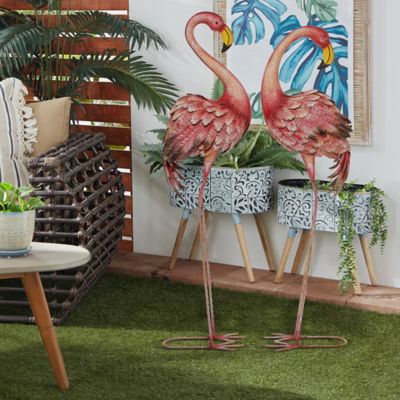
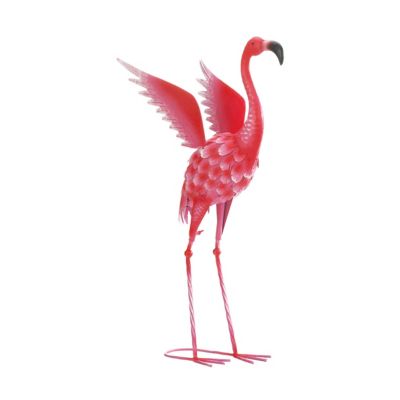
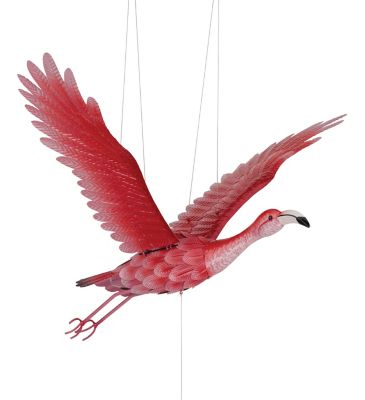
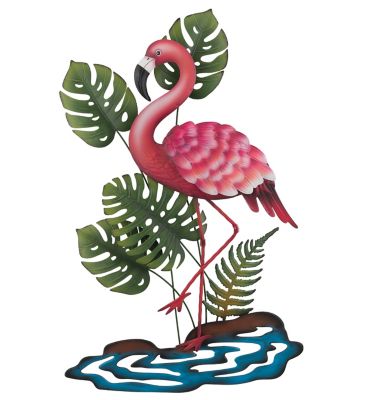
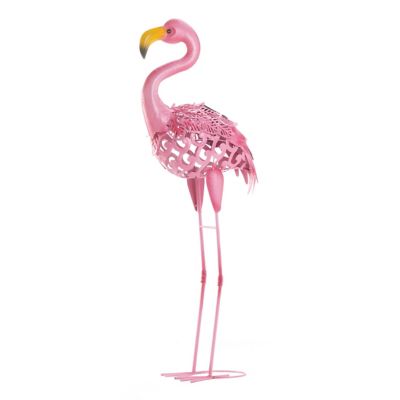
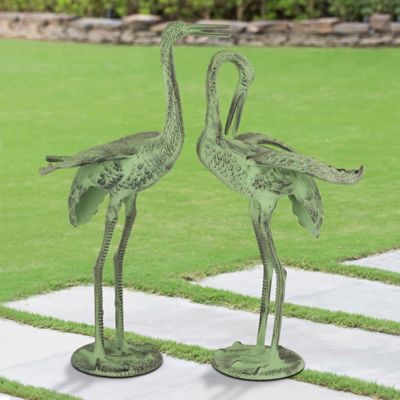
Metal flamingo yard figures bring a little color and a lot of personality to the ground around a home, whether that means a tidy flower bed by the porch or a wide stretch of lawn beside a gravel drive. The familiar curved neck, long legs, and pointed bill make a flamingo easy to recognize without needing a whole flock. Pink and coral finishes give these birds their familiar look, while softer tones or exposed-metal finishes can blend more quietly with stone, wood, and greenery. Shape makes just as much difference as color. A flat metal silhouette has a clean outline that stands out against a fence or hedge, while a rounded body with formed wings gives the bird more presence when viewed from several directions. Feather patterns, painted eyes, and the angle of the neck can make a figure feel playful or more lifelike. A bird standing tall has a different feel from one with its head lowered toward the ground, especially beside a pond border or a bed of low-growing plants. Size matters in relation to the setting, too. A smaller flamingo can add a bright detail beside a planter, but it may disappear against a long fence line. A taller figure can hold its own near a broad porch or open lawn without needing several other accents around it. The listed height tells only part of the story: body width, neck position, and the length of the legs all affect how much space the figure takes up. For stake-mounted designs, part of the overall height may sit below ground, so the visible height deserves a closer look. Matching the bird’s proportions to its surroundings helps it look settled into the yard rather than squeezed into a leftover spot. Leaving a little open ground around the legs also keeps that recognizable flamingo outline easy to see from the driveway, walkway, or porch steps.
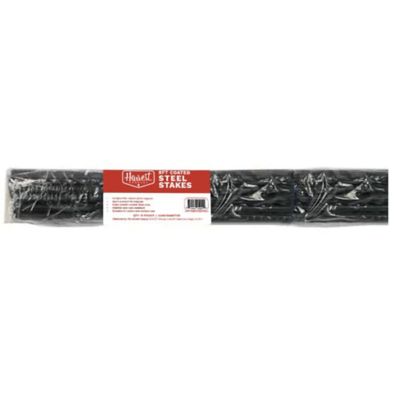
The metal, finish, and support design all play a part in how a flamingo yard figure fits everyday life outside. Sheet-metal bodies can have crisp edges and layered details, while formed or cast components can give a figure more depth and weight. Steel and iron need a protective finish to help limit corrosion, and the condition of that finish matters over time. Paint or powder coating can provide a barrier, but chips and deep scratches leave spots that need attention. Smooth coverage around seams, wing edges, and leg connections is worth noting because those small areas can be easy to overlook. Construction also affects how the bird stands. Narrow legs create the familiar flamingo shape, but the support underneath needs to suit the placement. A ground stake belongs in soil that can hold it firmly; a footed base needs a reasonably level surface with enough room for the entire base. Loose mulch alone does not provide the same support as the soil beneath it. Assembly details matter as well, particularly when legs, wings, or stakes attach separately. Secure connections help keep the body upright and prevent pieces from shifting when the figure is moved. For a spot near a walkway, the full footprint matters more than the body alone, since an angled stake or extended foot can reach farther than expected. Routine care is usually straightforward, though the finish should determine the cleaning method. A soft cloth and gentle cleaning solution are a better starting point than a stiff wire brush or abrasive pad that could scratch painted metal. Any care directions supplied with the figure take priority, including directions for touching up damaged areas. Keeping lawn equipment from striking the legs or body can prevent bent parts and chipped paint. A little clearance from mower routes and string trimmers makes that easier without turning the yard accent into another obstacle to work around.
Placement gives metal flamingos much of their character. A single bird beside a large clay pot can look right at home, while a pair with different neck positions creates a sense of movement along a garden border. Several figures need enough breathing room for each outline to remain visible; crowding them together can hide the details that make them appealing. Staggering their positions gives a grouping more depth than lining every bird up at the same distance from a walkway. Existing plants provide useful contrast, especially when broad leaves or low greenery sit behind the slim legs. Along a fence, the background color affects how clearly the body shows up, so pale pink may read differently against white boards than against dark wood. Near a patio or porch, a flamingo can pick up a color already present in a cushion, planter, or painted chair without making the whole space match. For a mix of bird shapes and blooms,
Metal Flower Garden Stakes can carry color through nearby beds while leaving the flamingo as the main accent. Keeping figures clear of gates, hose paths, and places where children or pets regularly play helps the arrangement fit the way the property actually functions. Pointed stakes and projecting metal parts belong away from busy routes, and yard figures should stay separate from playthings. These accents can also make thoughtful housewarming or birthday gifts for someone who enjoys bird motifs, tends a garden, or likes a cheerful touch near the front steps. The best fit depends on the recipient’s space as much as their taste: a compact figure suits a small planting bed, while a larger bird needs room to stand without blocking access. Easy-to-manage parts and clear care directions are helpful considerations for a gift, too. Whether the setting is a farmhouse yard, a small-town front lawn, or a backyard gathering spot, a well-placed metal flamingo adds a lighthearted detail without requiring a complete change to the space.