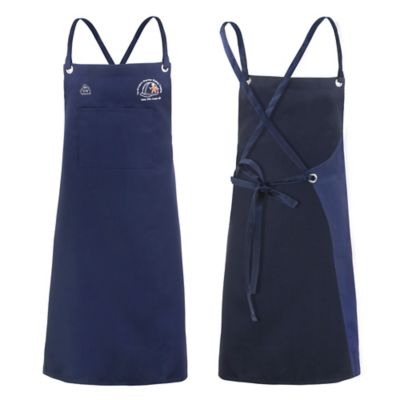
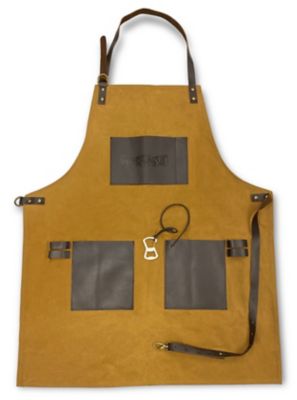
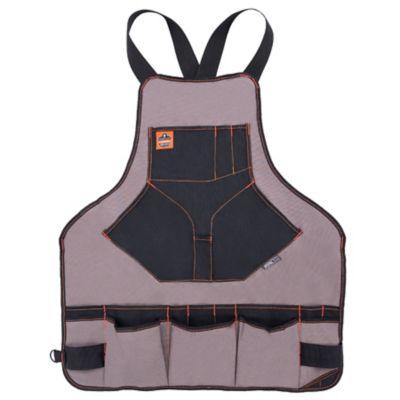
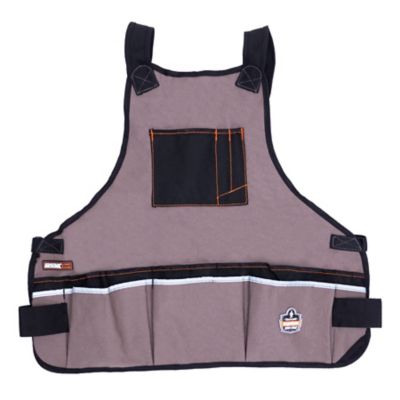
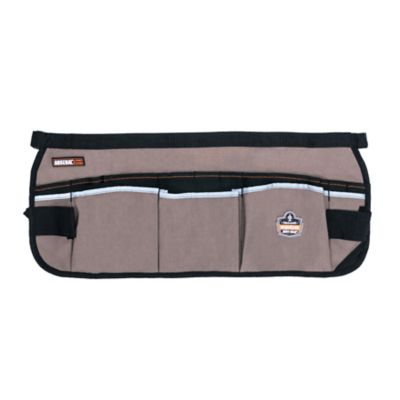
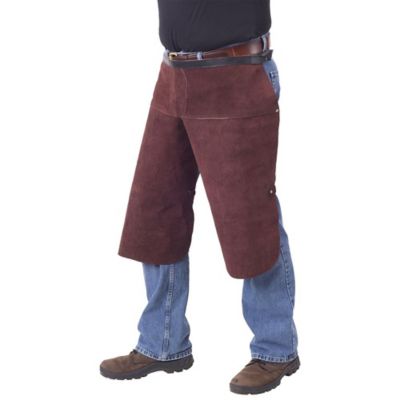
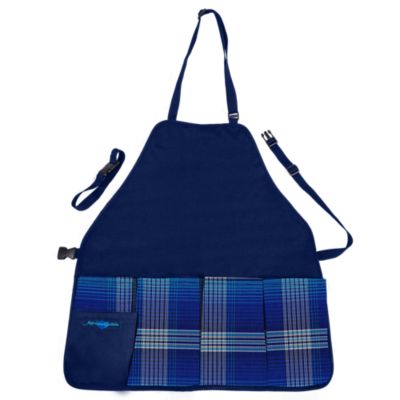
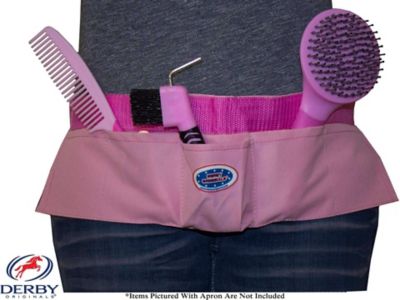
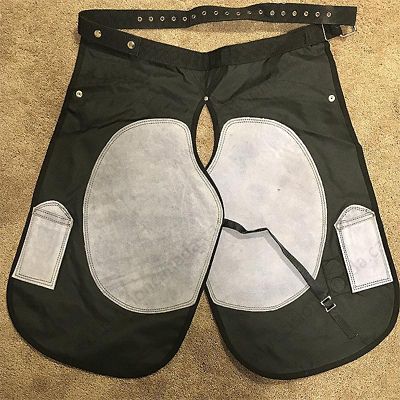
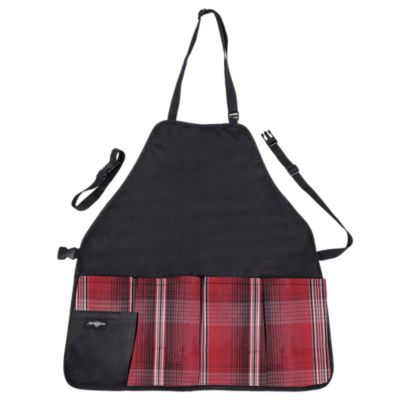
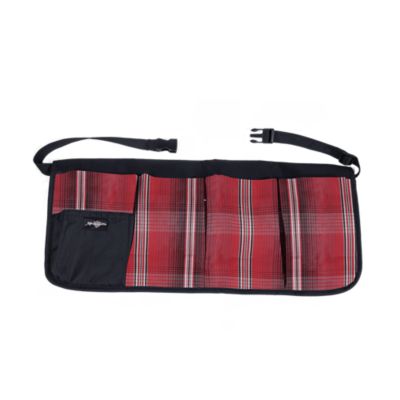
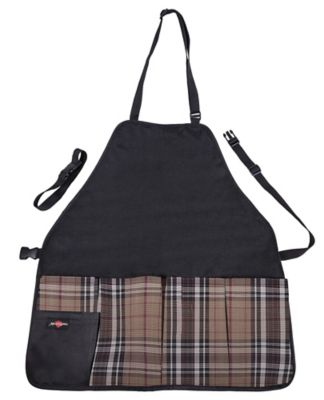
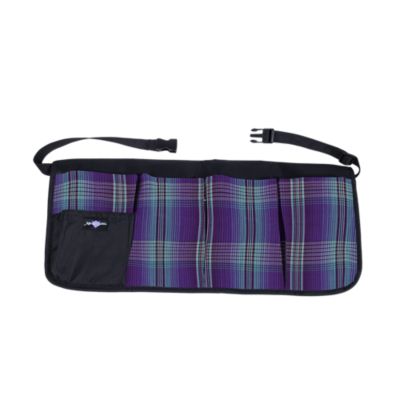
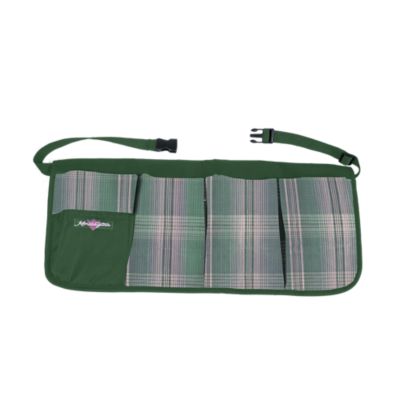
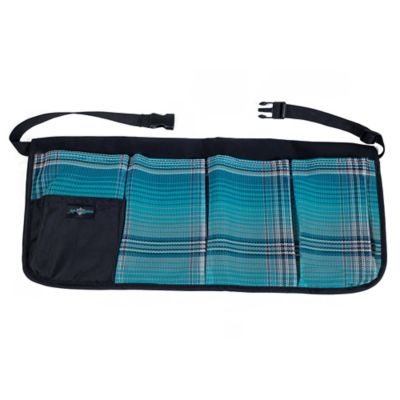
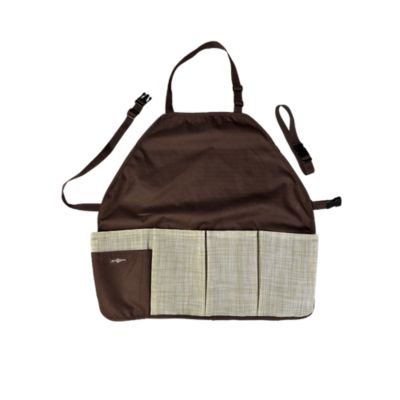
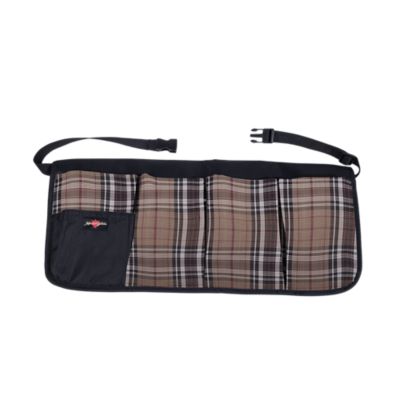
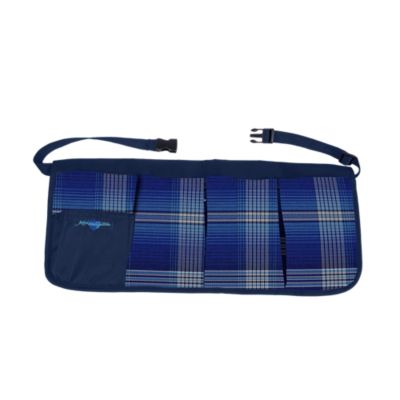
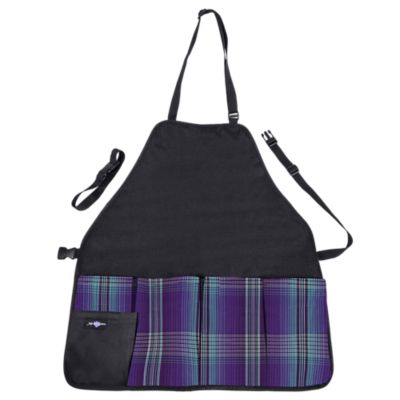
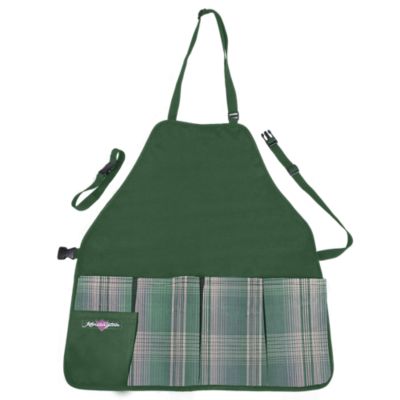
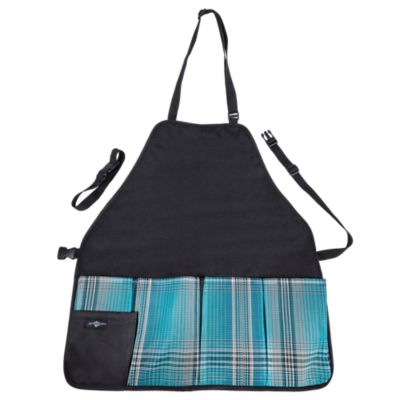
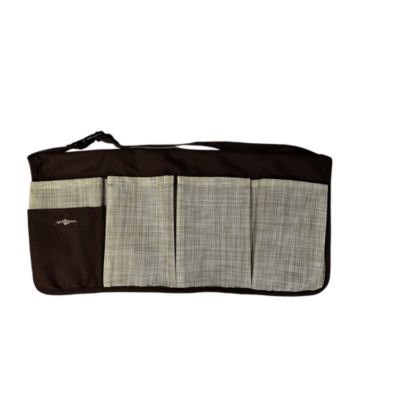
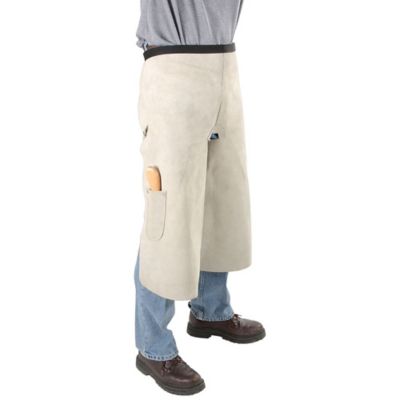
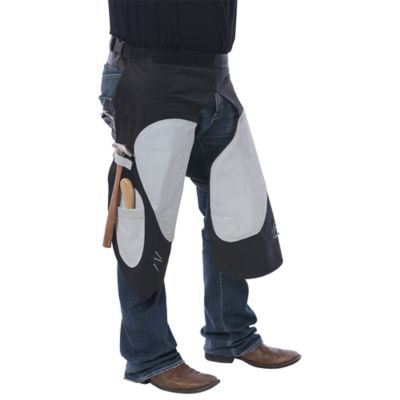
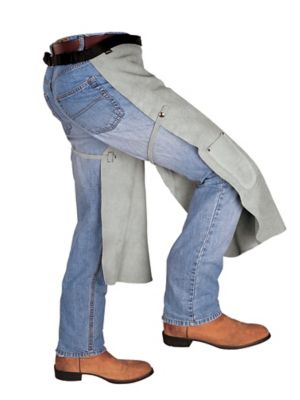
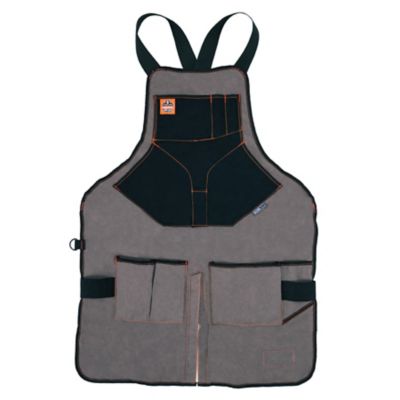
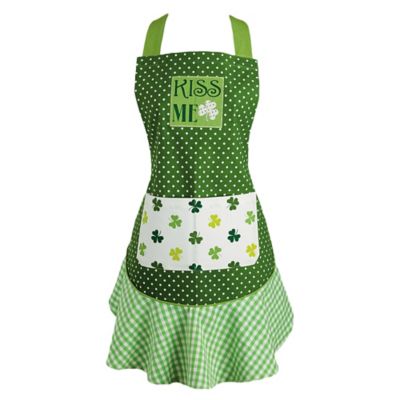
Men’s aprons bring a little order to work that tends to leave its mark, from flour on a shirtfront to sawdust across a pair of jeans. Whether the day’s project takes place at a kitchen counter, a potting bench, or a workbench in the garage, an apron adds coverage while keeping a few essentials close at hand. The right style depends on the work it needs to handle. A full bib apron covers the chest and lap, making it a practical choice for mixing bread dough, brushing sauce over ribs, or handling damp potting soil. A waist apron leaves the upper body free and puts pockets within easy reach for tasks where storage matters more than chest coverage. Longer cuts offer more coverage down the legs, while shorter cuts can feel less restrictive when walking between a bench and a supply shelf. Materials make a noticeable difference, too. Cotton often has a soft feel and can suit everyday kitchen chores, while tightly woven canvas brings a firmer structure that helps pockets hold their shape. Denim offers a familiar workwear feel, with weight and flexibility varying by fabric construction. Cotton blends may balance softness with easier care, depending on the fabric and finish. Waxed fabrics and leather call for different cleaning methods than washable cloth, so their appeal is as much about the setting as the look. Fabric weight deserves attention: a substantial apron can stand up to repeated contact with a work surface, but a lighter one may be more comfortable through a long stretch of food prep. Seams, strap attachments, and pocket corners are worth a close look because those areas take much of the pulling and rubbing. Reinforcement at these stress points helps an apron handle the everyday routine of bending, reaching, and carrying small essentials without asking the main fabric to do all the work.
Fit matters just as much as fabric when an apron stays on through a full batch of biscuits or an afternoon at the bench. Men’s apron sizing can involve body width, bib height, overall length, and strap range rather than a familiar shirt size alone. A broad bib offers more coverage across the chest, but it still needs to sit comfortably without bunching under the arms. Waist ties should have enough length to fasten securely without leaving long ends hanging near the work. Adjustable neck straps let the bib sit higher or lower, while cross-back straps distribute the apron’s weight across the shoulders instead of concentrating it at the neck. That difference can be noticeable once pockets carry a pencil, tape measure, or phone. Hardware also affects how an apron feels in daily wear. Buckles allow adjustments, and snaps or removable straps may make care easier when the design allows it. Smooth edges and well-finished strap ends help prevent rubbing against a shirt. Pocket placement is another detail that earns its keep over time. A chest pocket can keep a pencil away from flour on the counter, while divided lower pockets help separate small tools so they do not settle into one crowded corner. Deep pockets offer room, but too much weight can pull the apron forward and make it swing when walking. For someone who sits at a craft bench, lower pockets should remain accessible without pressing their contents into the lap. For cooking, an uncluttered front may be preferable to extra loops that could catch on drawer pulls. An apron should allow an easy reach across the counter and a comfortable bend toward a lower shelf, with no tight tug at the neck or waist. Around moving machinery, loose ties, dangling straps, and hanging fabric can create hazards; ordinary work aprons also do not replace task-rated protective equipment for heat, sparks, sharp tools, or chemicals.
Everyday care has a lot to do with how well an apron holds up and how pleasant it is to put on again. Washable fabric can make sense for frequent cooking and baking, where sauce splatters, flour, and grease are part of the job. Care labels matter because shrinkage, color transfer, and drying requirements vary, even among aprons made from similar fibers. Emptying pockets before cleaning keeps a forgotten pencil or loose screw from causing trouble, and fastening removable parts as directed can help prevent tangling. Waxed canvas generally needs a gentler approach than a trip through the washing machine, while leather may need cleaning and conditioning suited to its finish. Neither material should be treated like an ordinary dish towel. Keeping a kitchen apron separate from one worn for shop work also helps keep sawdust, oils, and other residues away from food-prep areas. Between tasks, a hanging loop gives an apron a simple home on a hook instead of a heap on the bench. Appearance has a practical side as well: darker shades and patterned fabrics may make everyday marks less noticeable, though they still need regular cleaning. A straightforward solid color can fit just as naturally beside a farmhouse sink as it does at a garage workbench. As a gift, a men’s apron makes sense for the fellow who always takes charge of the grill, the dad who turns out pancakes by the stack, or the neighbor who spends spare hours tending seedlings. The most thoughtful match reflects his habits, whether that means easy laundering, roomy coverage, or a comfortable strap arrangement. For a separate gift centered on Mom’s time in the kitchen or garden,
Aprons for Mother's Day offers a related place to browse. For any recipient, useful details tend to matter more than extra trim: enough coverage for the task, pockets that suit what gets carried, and a fit that stays comfortable from the first bit of prep through cleanup.