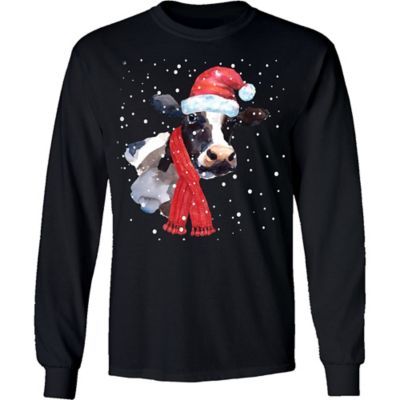
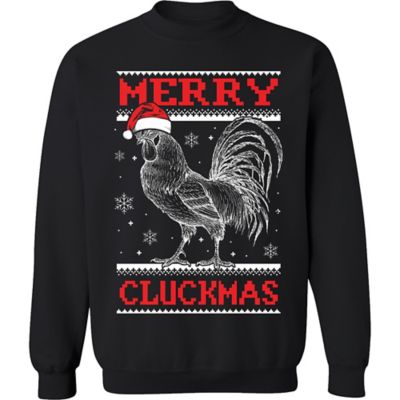
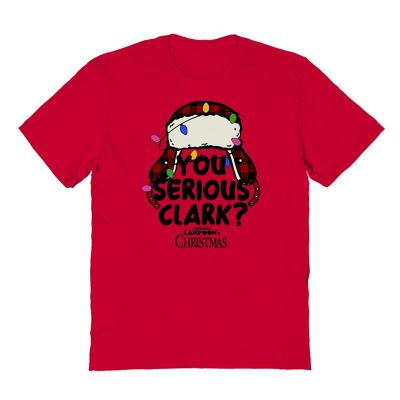
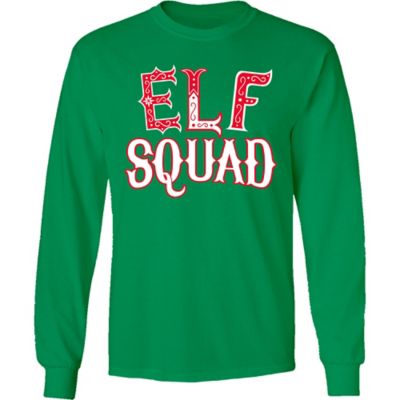
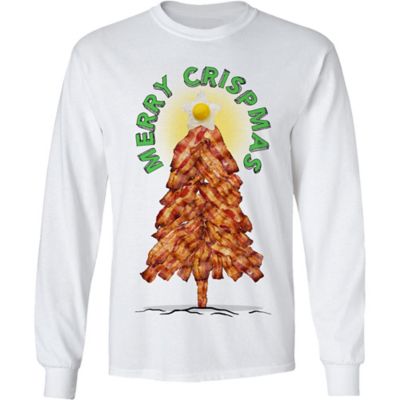
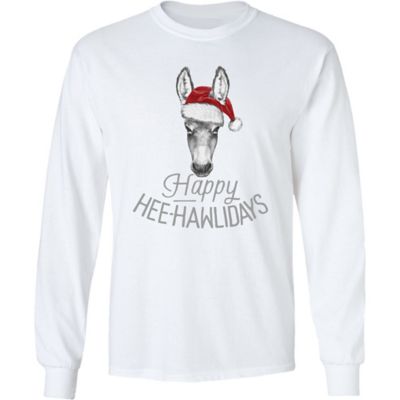
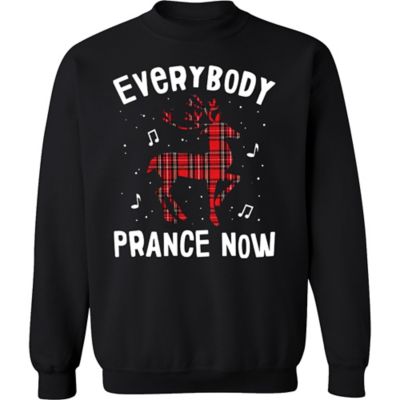
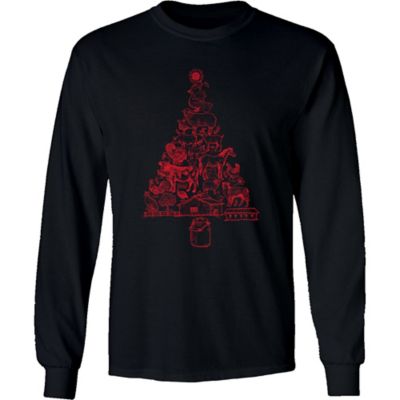
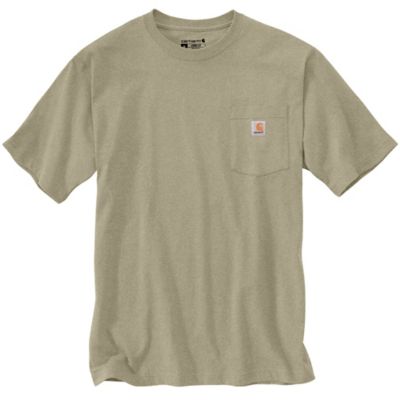
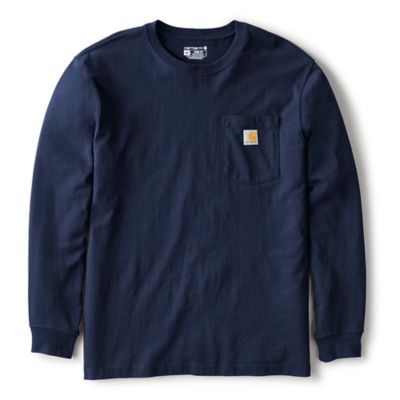
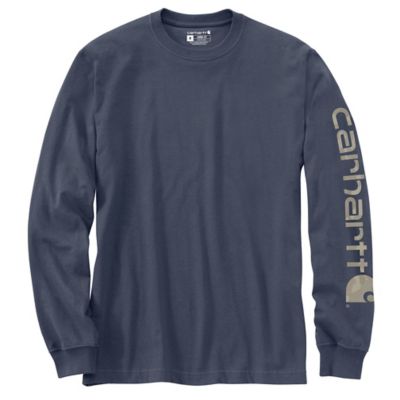
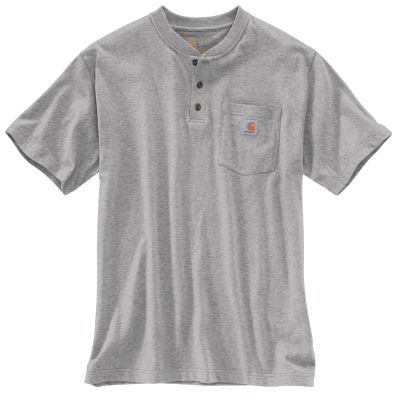
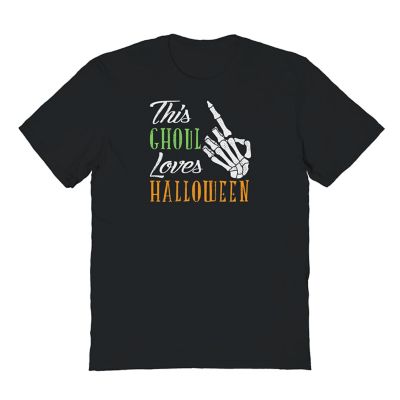
Holiday-themed shirts bring a little celebration to everyday clothing, whether the occasion is Thanksgiving supper, a Christmas get-together, a New Year’s gathering or a Valentine’s Day outing. Familiar designs range from simple seasonal lettering and small chest graphics to full-front illustrations with trees, snowflakes, hearts or farm animals dressed for the occasion. A quiet design can feel right at home under an open flannel, while a larger graphic makes the shirt the main part of an outfit. Reds and greens have a strong connection to Christmas, but cream, navy, gray and other easygoing colors can give festive artwork a more understated look. The appeal is simple: a holiday shirt lets someone join in without dressing up more than the day calls for. It can go with jeans and boots for a church fundraiser, sit comfortably through a long family meal or add some personality to a potluck at the feed store. Short-sleeve tees, long-sleeve shirts and collared styles each bring a different feel to those occasions. A tee keeps things relaxed, long sleeves offer more coverage, and a button-front shirt can feel a little more dressed up without getting fussy. Holiday graphics also give families and groups a shared theme for photographs, school celebrations and community events. Matching does not have to mean identical outfits; a common color or similar artwork can pull the group together while leaving room for different tastes. For someone who prefers a quieter nod to the occasion, a small emblem or festive pattern may be more comfortable than a big slogan. Humor has its place, too, especially at a casual gathering, though the wording should suit the setting. A shirt headed to a school event or workplace party calls for a different tone than one worn around the kitchen table with close friends.
Fabric and fit have as much to do with enjoying a holiday-themed shirt as the design on the front. Cotton often has a soft, breathable feel that works well for indoor gatherings and everyday wear. Cotton blends can combine that familiar feel with other traits, such as stretch, quicker drying or better shape retention, depending on the fibers and construction. Polyester-rich fabrics generally dry faster than all-cotton fabrics, while a little elastane can help a shirt move through the shoulders and arms. Fabric weight matters, too: a lighter knit slips easily beneath another layer, while a heavier knit or brushed woven fabric brings more substance. For a gathering where coats come off at the door and the kitchen stays busy, a shirt that layers comfortably gives the wearer more flexibility. Fit descriptions such as fitted, regular and relaxed are useful starting points, but measurements tell more of the story. Enough room across the back makes reaching for serving dishes easier, and sleeves that stay clear of the hands are helpful when setting the table or carrying a tray. Shirt length affects how it looks tucked into jeans, worn loose or layered beneath a vest. Shoulder seams, neckline shape and the amount of stretch can also change how the same labeled size feels from one style to another. For celebrations that follow a shift,
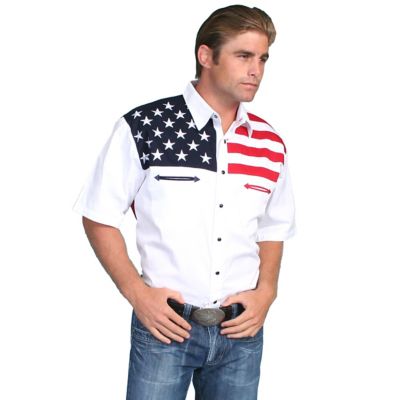
Work Shirts for Holiday offers another direction for a festive outfit with a workwear feel. Any shirt worn around tools, livestock or moving equipment still needs to suit the task; festive styling does not replace required work clothing or protective gear. Seams, cuffs and neckbands deserve a look as well, especially when the shirt will see repeated wear. Even stitching, a comfortable collar and a hem that lies flat help keep the focus on the occasion rather than on adjusting clothing all day.
Care habits help holiday shirts hold their shape and keep their artwork looking good from one celebration to the next. The sewn-in care label is the place to start, since fabric blends, printed designs, embroidery and other details can call for different treatment. Turning a printed shirt inside out before washing can reduce rubbing against the design, and avoiding unnecessary heat can help protect both the fabric and the graphic. When the label permits, a cool wash and a gentle drying method are often practical choices. A holiday meal can leave gravy, cranberry sauce or chocolate behind, so tending to spills promptly with a fabric-appropriate treatment is better than letting them settle in until laundry day. Printed areas may need extra care when ironing; direct heat can damage some finishes, so the label’s directions matter. Shirts should be clean and completely dry before being put away between holidays, with enough room that sharp folds do not press into raised artwork. That little bit of attention can make a favorite shirt easier to bring back out for another family photo or annual gathering. As gifts, holiday-themed shirts work best when the design reflects the person who will wear them. A playful farm-animal graphic may suit someone who spends mornings at the barn, while a simple seasonal design may fit a friend who likes quieter clothing. Fabric feel and fit preferences are worth knowing, especially for anyone who avoids snug sleeves, stiff necklines or heavy prints. Comparing garment measurements with a shirt the recipient already enjoys can be more helpful than guessing from a size label alone. For coordinated family outfits, comfort matters more than making every detail match. Different sleeve lengths or cuts within a shared color theme can leave everyone feeling more at ease. The shirts that earn repeat wear are the ones that fit the person and the occasion, with enough comfort for a full day of visiting, eating, helping out and settling in together.