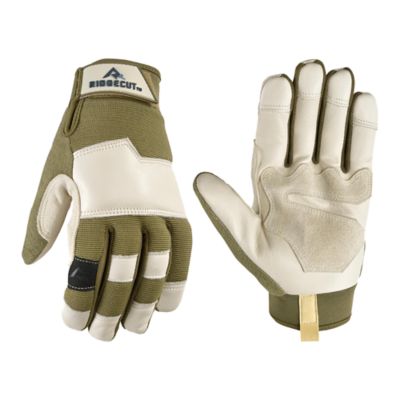
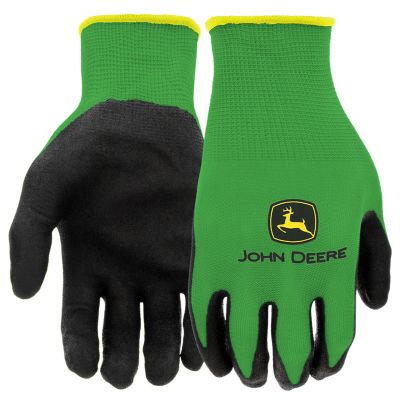
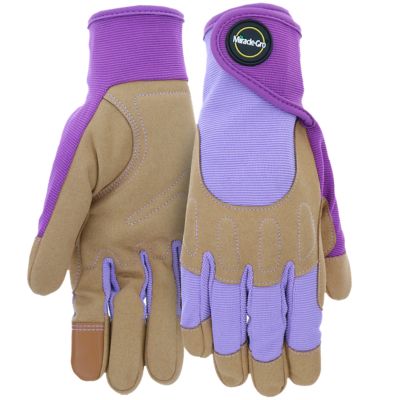
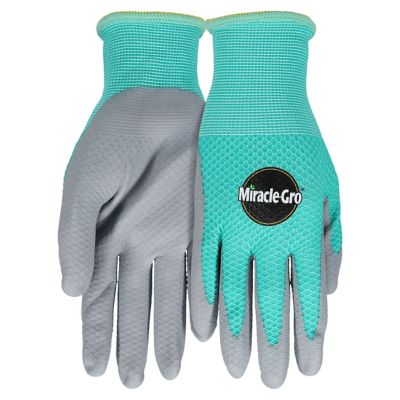
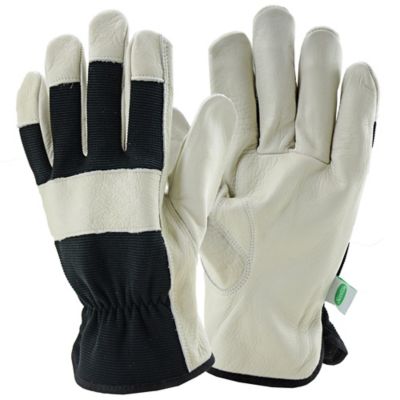
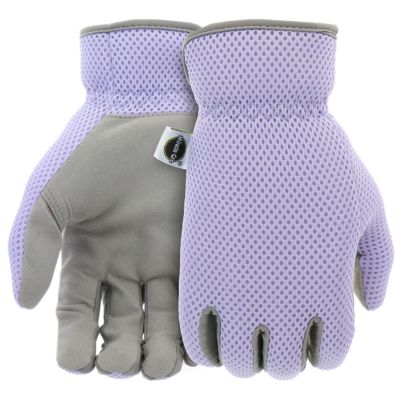
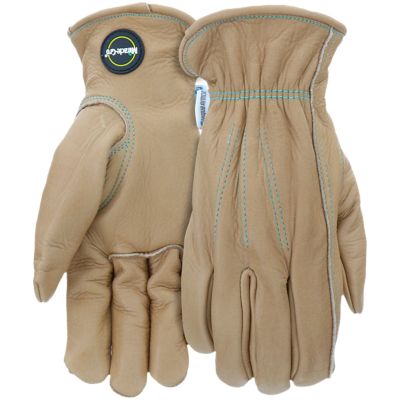
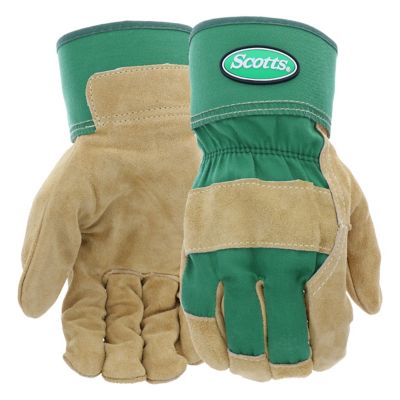
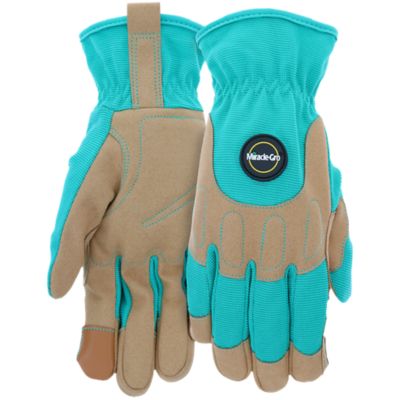
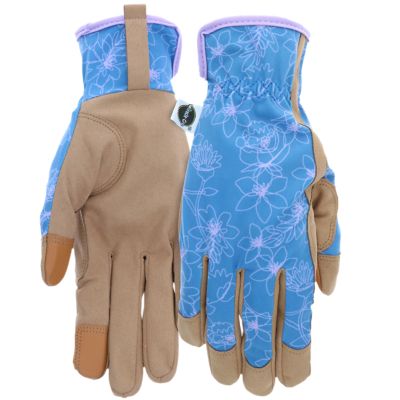
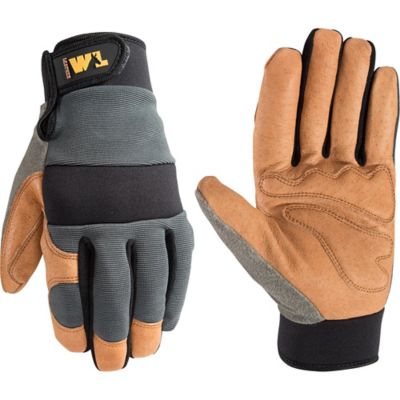
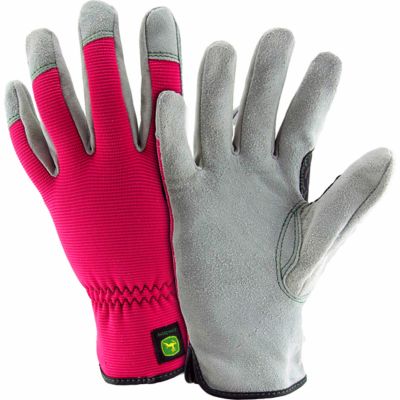
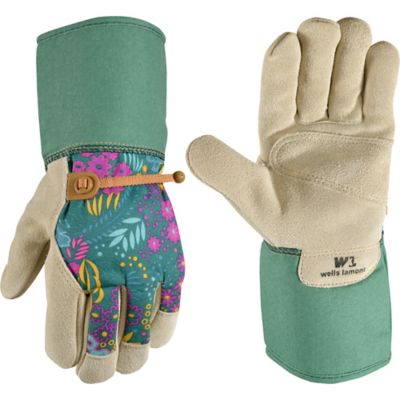
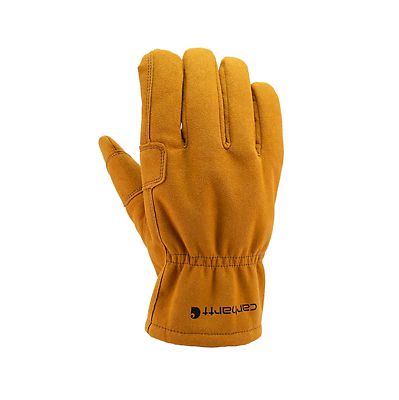
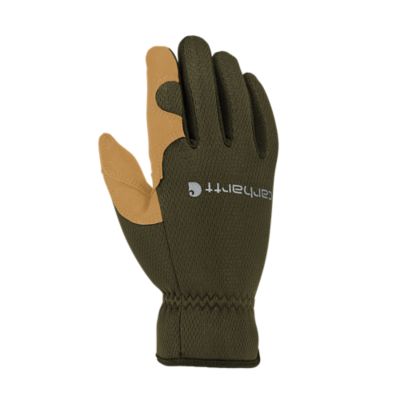
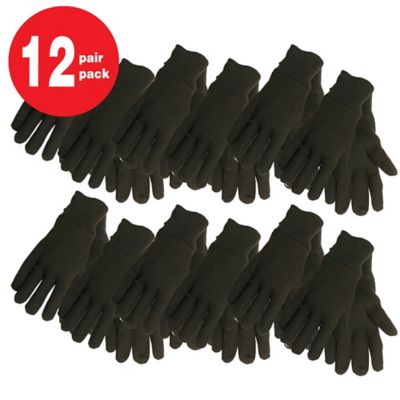
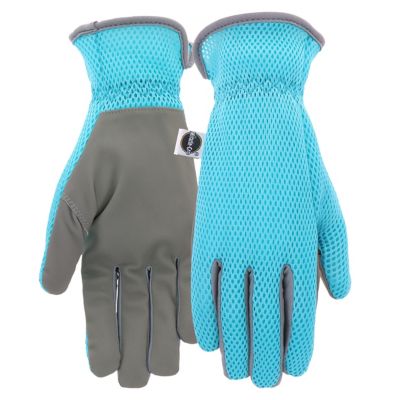
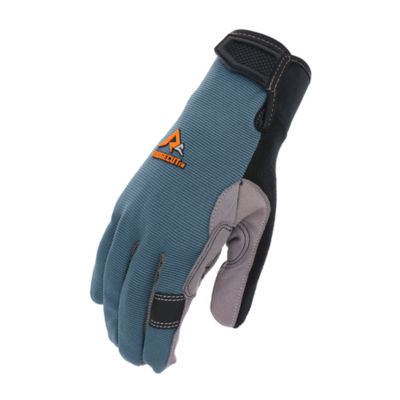
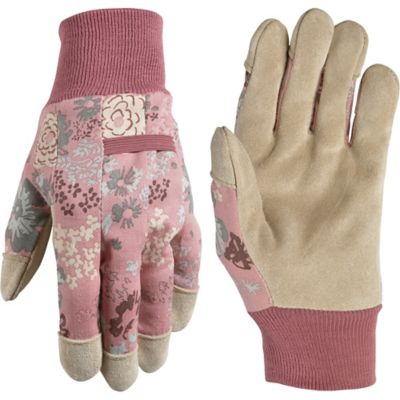
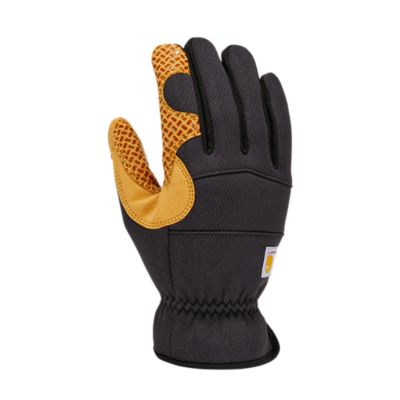
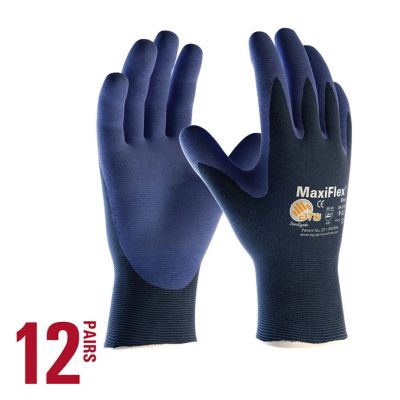
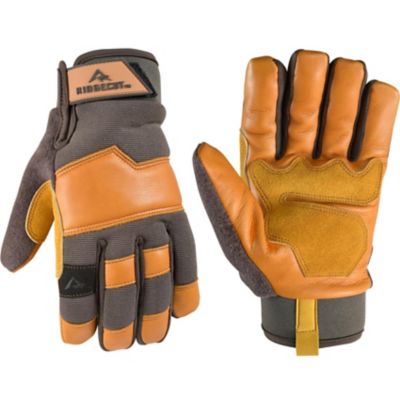
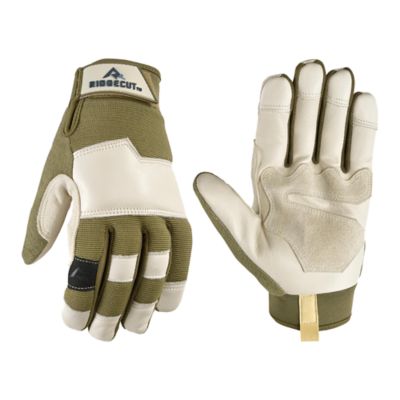
Gardening gloves make thoughtful Christmas presents for folks who would rather spend an afternoon tending a vegetable patch, filling porch pots, or bringing a tired flower bed back into shape. They’re practical gifts with a personal touch: a pair suited to someone’s favorite garden work shows attention to how that person spends their time. A backyard grower handling seedlings needs a different feel than someone clearing brush along a fence line, and the material makes a real difference. Lightweight knit gloves offer flexibility for pulling small weeds, handling plant labels, and moving empty pots. Cotton can feel soft and breathable, though it absorbs moisture and provides limited protection against sharp stems. Synthetic knit fabrics often dry faster, while coated palms can add grip where hands meet a trowel handle or watering can. Nitrile coatings commonly provide a close, flexible feel, but coverage varies; a coated palm doesn’t make the entire glove waterproof. Leather brings a different balance of flexibility and resistance to abrasion. Goatskin often has a supple feel that suits jobs requiring finger movement, while thicker leather can provide more substance for handling rough branches and wooden tool handles. Synthetic leather is another option, with care requirements that depend on its construction. Reinforced palms and fingertips add material where repeated gripping and digging tend to cause wear. For someone who moves between potting herbs and hauling garden debris, that balance of hand movement and coverage matters more than looks alone. Floral prints, earthy colors, and bright patterns can still make a Christmas gift feel personal without taking away from its usefulness. A brighter color may also be easier to spot beside a raised bed or on a crowded potting bench. The best match starts with the work the recipient enjoys, whether that means a few containers beside the kitchen door or long rows out beyond the barn.
Fit is a big part of what makes gardening gloves comfortable enough to reach for again and again. Extra fabric at the fingertips can get in the way when separating seedlings or tying a plant to a support, while a palm that pulls tight can make gripping tools tiring. A good fit leaves room to bend the fingers and close the hand without seams digging in or material bunching across the palm. Size charts matter because letter sizes aren’t identical across glove designs; hand measurements offer a better starting point than guessing from someone’s height or clothing size. Finger length deserves attention, too, especially for a Christmas present intended for detailed garden work. Stretch-knit backs and flexible panels can help a glove move with the hand, while adjustable wrist closures offer a closer fit that helps keep loose soil out. Cuff length changes the kind of coverage a pair provides. Short cuffs leave the wrist freer for everyday potting and weeding, while longer gauntlet-style cuffs cover more of the forearm when reaching among rose canes or scratchy shrubs. No gardening glove should be treated as completely thorn-proof, and extra coverage doesn’t replace care around sharp growth. Breathable backs can make extended tasks more comfortable, though open knit areas also allow moisture and fine dirt through. Grip matters when lifting a damp container, turning a hose fitting, or holding a smooth tool handle. A textured palm may help with those jobs, but gloves shouldn’t interfere with a secure hold or easy finger movement. Seams, thumb placement, and palm reinforcements all affect how natural that hold feels. For a parent who tends roses, a neighbor with a kitchen garden, or a friend who’s just built a first raised bed, these small construction details can make a present feel well matched. Gardening gloves intended for light chores also shouldn’t be mistaken for protection against power equipment or garden chemicals. Tasks involving chemicals call for gloves specifically rated for the substance, along with the protection stated on its label.
Care and storage help gardening gloves stay ready for the next round of planting, trimming, or cleanup. Soil left packed into seams and damp gloves tossed into a closed bucket can shorten their working life, so easy care is worth considering when choosing a Christmas gift. Some fabric and synthetic gloves allow machine washing, while others need hand cleaning; the care label determines the right approach. Leather generally needs a gentler routine, and soaking or direct heat can leave it stiff or change its fit. Loose dirt can often be brushed away once dry, with any further cleaning matched to the material. Gloves should dry fully before going into a drawer, garden tote, or shed cabinet. A spot away from strong heat and prolonged sunlight helps protect fabrics, coatings, and leather between jobs. Wear tends to show first around fingertips, thumb joints, and palm seams, particularly when the same pair handles both fine planting work and rough cleanup. That’s why construction and intended use belong together: a thin, flexible glove can be just right for transplanting without being the right choice for dragging thorny branches. For gift giving, that distinction keeps the focus on what the recipient actually does rather than simply choosing the thickest pair. Gardening gloves also fit neatly into a Christmas stocking or a small wrapped package, and they pair naturally with the promise of time spent on a favorite hobby. For someone whose growing space includes covered benches, seed trays, and rows of pots,
Christmas Gifts For Greenhouse Gardeners offers another garden-centered direction for holiday giving. Whether the recipient grows tomatoes for the supper table, tends flowers along the front walk, or spends quiet hours repotting houseplants, a well-chosen pair of gloves has a clear purpose beyond Christmas morning. Comfort, sensible coverage, and care that fits the material make it a gift with plenty of work ahead.