Easter gifts for teachers offer a simple way to thank the people who make room for every child’s questions, celebrate hard-earned progress, and keep a busy classroom moving. The most thoughtful choices connect a little holiday cheer with something the recipient enjoys, whether that means practical classroom essentials, treats for a quiet break, or something meant for time away from school. Easter’s soft colors, bunny motifs, and cheerful spring imagery give these gifts a lighthearted feel without needing an elaborate presentation. For a teacher who prefers an uncluttered desk, a compact gift that fits easily into the school day can mean more than a large display. Someone who enjoys celebrating classroom milestones might appreciate a more playful look, while a teacher with a simple, understated style may prefer subtle colors and an everyday purpose. Easter teacher gifts can come from one student, a family, or a whole class, and the sentiment matters more than the size of the package. A short message about a teacher’s patience during reading practice or encouragement before a difficult assignment gives the gesture a personal connection. These gifts can also recognize preschool teachers, classroom aides, special education teachers, and the instructors who see students for music, art, or physical education. Each plays a different part in a child’s day, so a gift need not look the same for everyone. In schools where Easter is not part of classroom activities, a simple expression of appreciation with gentle spring styling may be a better match than a strongly holiday-themed presentation. School gift policies and the recipient’s own traditions also help set the right tone. The result is a friendly thank-you that acknowledges the person behind the lesson plans, not just the job they do, and feels comfortable to give at a classroom celebration or before an Easter break.
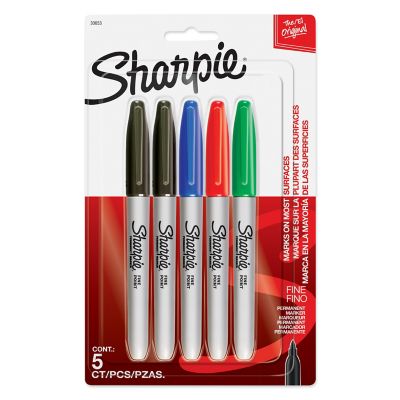
Practical Easter gifts for teachers fit into routines that often stretch well beyond the final bell. Classroom-focused gifts are most useful when they suit the age group, the space, and the way a teacher works. A preschool room calls for different materials and safety considerations than a high school classroom, and anything intended for student handling deserves a close look at age recommendations and care instructions. Gifts for a teacher’s personal use have a different job: they should be easy to carry, pleasant to handle, and simple to look after between busy days. Materials make a real difference here. Cotton-rich fabrics often have a soft feel, while some blended fabrics offer stretch or easier care; the fiber content and care label tell more than appearance alone. Washable construction can be especially welcome for anything likely to travel between home, the car, and school. Smooth surfaces that wipe clean also suit spaces where little hands, craft materials, and lunch breaks share the same tables. Neat stitching, firmly attached parts, and well-finished edges are useful signs to consider when a gift will get regular handling. If apparel is part of the gesture, fit deserves as much attention as the Easter design. Size, cut, sleeve length, and the recipient’s preference for a relaxed or closer fit all affect how comfortable a garment feels through a day of reaching, bending, and moving around the room. When those preferences are not known, a gift without sizing requirements keeps things simpler. The same practical thinking applies to anything intended for a desk or shared workspace: a small footprint, manageable weight, and straightforward care help it earn its place. Teachers often carry materials between rooms or pack up quickly for dismissal, so something that travels neatly and holds up to repeated handling can be a thoughtful match. A gift does not have to become another classroom task; an easy-care choice leaves more room for the recipient to simply enjoy it.
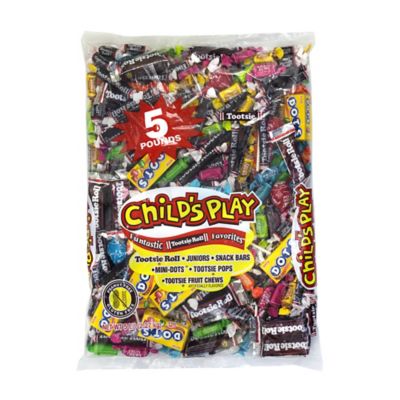
Treats and gifts for personal downtime bring another side to Easter teacher appreciation, recognizing that the school day is only one part of a teacher’s life. Food gifts work best when the ingredients, allergen information, and packaging are clear, particularly in buildings with food restrictions. Individually sealed portions can make storage and sharing simpler, but a gift for the teacher does not need to include enough for the class. Nut allergies, dairy restrictions, and other dietary needs matter even when the gesture is small; when those details are unknown, a nonfood gift avoids putting the recipient in an awkward spot. Fragrance is another consideration for personal-care categories, since strong scents may not suit the teacher or the classroom. Clearly labeled materials and ingredients help keep the focus on enjoyment rather than guesswork. Outside school, a recipient might spend spare time gardening, caring for animals, tackling small projects, or settling in for a quiet evening. A gift that reflects a known interest can feel especially thoughtful, as long as it suits the person rather than making assumptions about how every teacher spends time off. Easter styling can be as cheerful or as restrained as that person’s taste allows. Soft pastels and playful animal details have a festive feel, while simple patterns and less overt holiday imagery can fit everyday routines after Easter has passed. For another look at the lighter side of the holiday,
Cute Easter Gifts offers a related theme for a cheerful thank-you. Presentation is best kept easy to manage: securely contained pieces, a readable name, and a brief message help a gift reach the right person during a busy arrival or dismissal. A student’s own words can make even a modest gesture feel heartfelt, especially when they recall a moment the teacher might not realize mattered. Whether the gift is practical, playful, or meant for a well-earned break, its purpose stays the same: to recognize steady effort and kindness with a little Easter cheer.