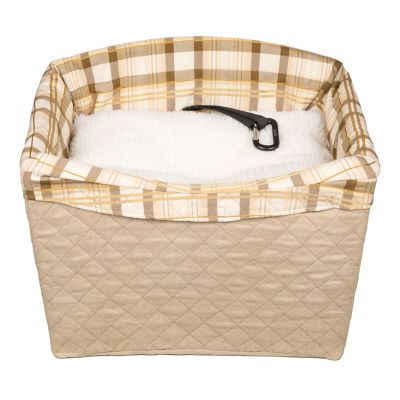
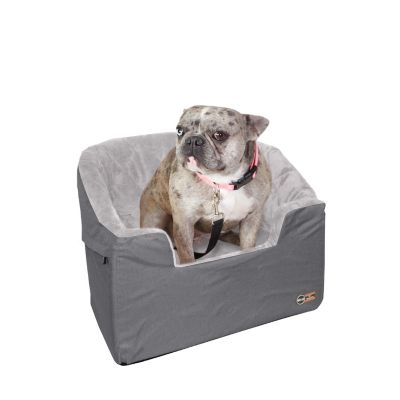
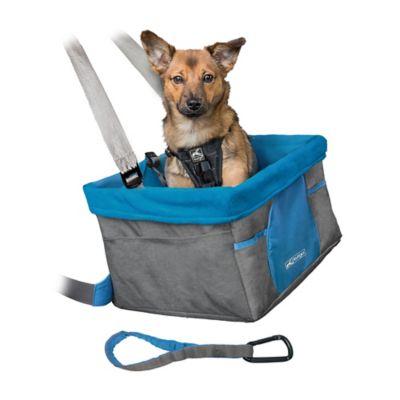
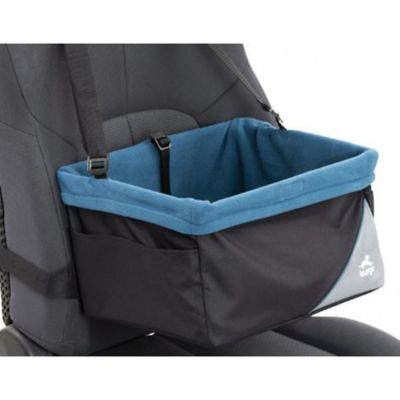
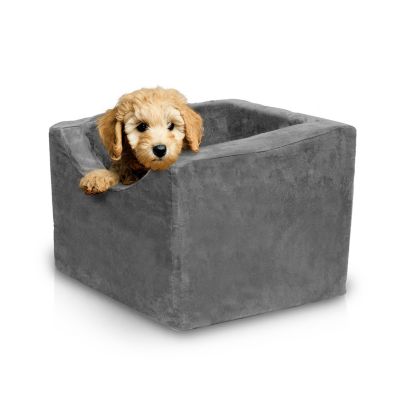
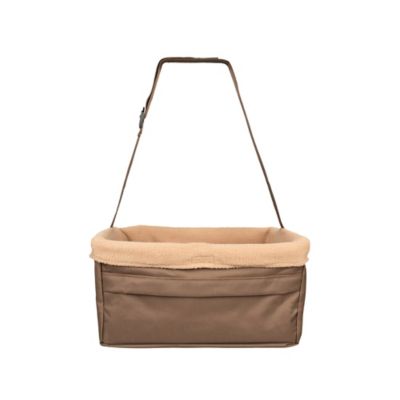
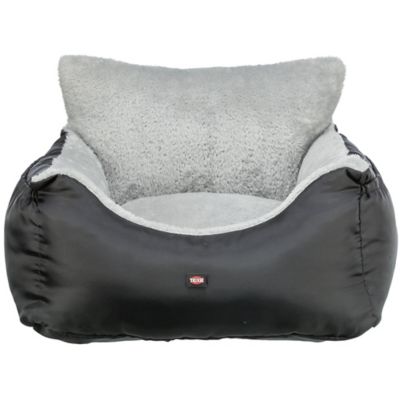
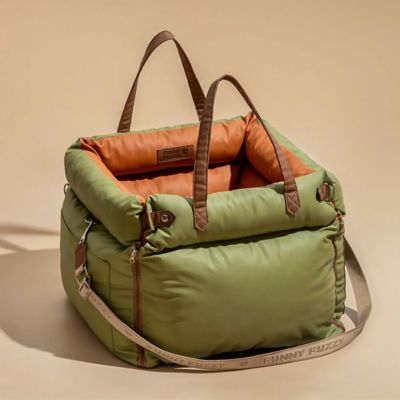
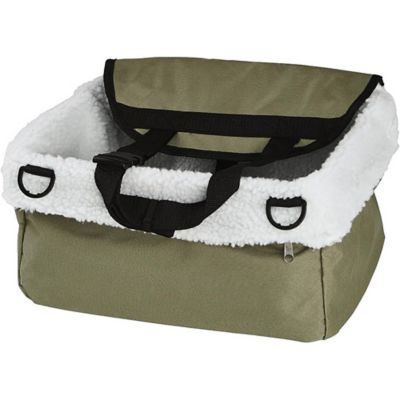
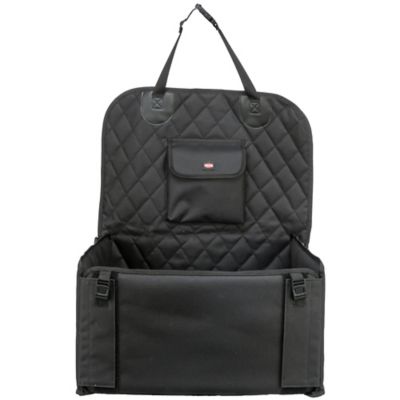
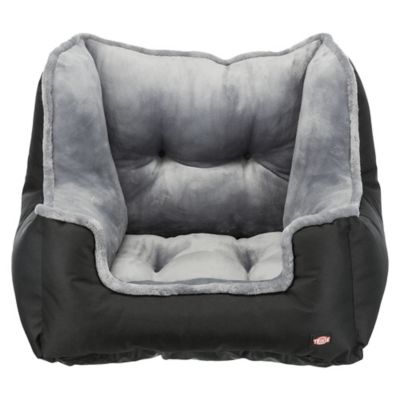
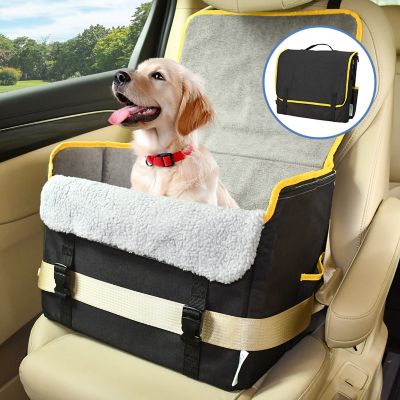
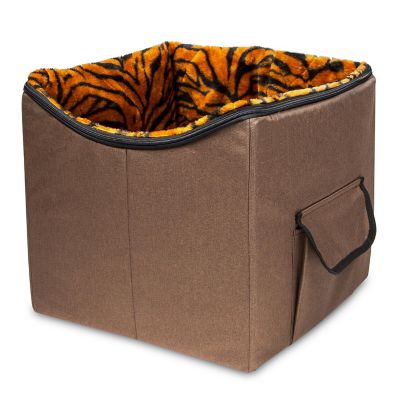
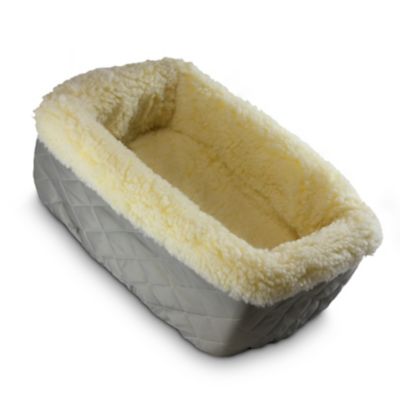
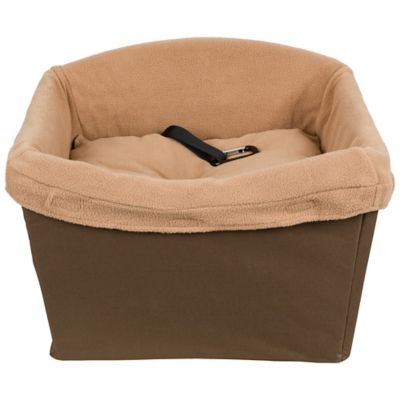
A dog booster car seat gives a small dog an elevated, defined place to ride inside a vehicle, often combining a cushioned resting area with straps that attach the seat to the vehicle. The extra height can help a little traveling companion see beyond the door panel instead of spending the whole ride looking at upholstery. These seats are generally intended for small dogs, though some designs accommodate larger pets within their stated limits. Fit depends on more than weight alone: interior length, width, sidewall height, and the dog’s usual resting position all matter. A stocky terrier that likes to curl up needs a different amount of room than a long-bodied dog that stretches across a cushion. The listed weight capacity applies to the seat’s support and attachment system, while the interior measurements help show whether a dog can sit or lie down comfortably. Exterior measurements matter, too, especially in a compact pickup cab or a vehicle where another passenger shares the rear bench. A seat that looks roomy outside may have a smaller resting area once thick cushions and padded sides are taken into account. Raised bolsters can give a dog somewhere to rest its chin, while lower entry points may make settling in easier for a pet that needs help getting aboard. Some booster seats hang from an approved support arrangement, while others rest on the vehicle seat and add height through a padded or structured base. The amount of lift varies, so an elevated view should never come at the expense of proper attachment or room above the dog’s head. For a feed-store run, a visit to family, or a trip across town to the veterinarian, the right fit gives a small passenger a familiar spot without taking over the whole cab. A booster is not the right match for every dog; pets that exceed its limits or cannot settle within its sides need a different travel setup.
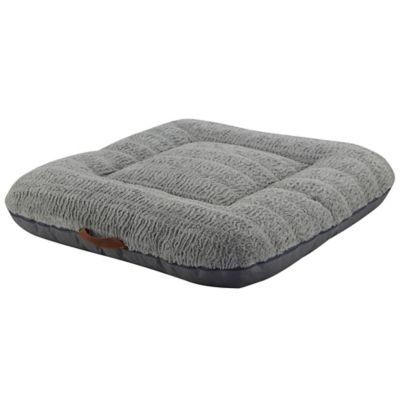
Materials and construction help determine how a dog car booster seat feels during the ride and how well it handles everyday wear. Woven polyester or nylon outer fabrics can offer a practical surface for regular travel, while fleece, plush fabric, and padded liners provide a softer place to rest. Fabric names alone do not tell the whole story: closely sewn seams, reinforced strap attachment points, and a base that holds its shape are worth a close look. A removable cushion can make it easier to shake out crumbs and loose hair, and a supported bottom helps keep the resting area from sagging under the dog’s weight. Some seats have textured undersides to limit sliding, but that feature does not replace the required vehicle attachments. Compatibility depends on the vehicle’s seat shape, headrest design, belt routing, and the booster manufacturer’s installation requirements. A deep bucket seat and a broad rear bench can support the same booster quite differently. Straps should follow the intended route without interfering with buckles, other passengers, or vehicle controls. A rear seating position away from active front airbags is generally preferable for pets, with both the booster and restraint approved for that location. An internal tether, when included, should connect to a properly fitted dog harness rather than a collar, following the manufacturer’s directions for attachment and adjustment. Too much slack can let a dog climb over the edge, while too little can prevent a comfortable sitting or lying position. Comfort and containment are not the same as crash protection, and an elevated pet seat should not be assumed to provide crash protection simply because it has a tether. Any crash-testing claim needs to apply to the actual seat, harness, and attachment arrangement involved. A dog that chews straps, repeatedly tries to jump out, or cannot remain comfortably contained may need a different restraint or an appropriately secured travel crate rather than a taller cushion.
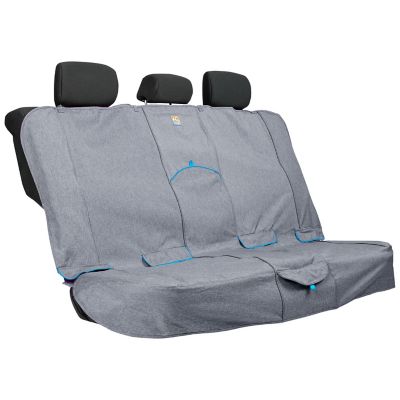
Care features make a noticeable difference when a dog rides along often. Loose hair, biscuit crumbs, drool, and tracked-in dirt can work their way into seams and under cushions, so removable liners and accessible corners are useful details. A machine-washable cover can simplify cleanup when the care label allows it, but foam inserts, rigid panels, and attachment straps may require separate treatment. Water-resistant fabric can help with small spills, though it does not necessarily mean the entire seat is waterproof or suitable for soaking. Letting cleaned components dry fully before reassembly helps prevent lingering dampness and odors. Regular checks of stitching, buckles, zippers, and tether hardware also matter, especially for a dog that paws at its bedding or turns several circles before lying down. For the surrounding upholstery, a
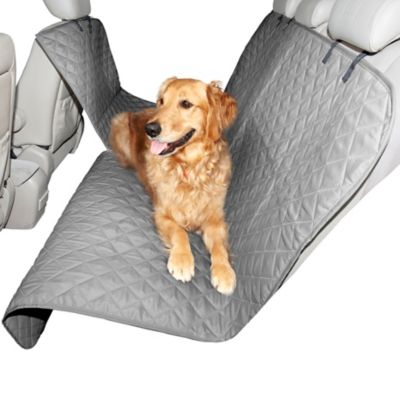
Back Seat Cover for Dogs can help catch hair and dirt beyond the booster’s edges, provided it does not interfere with the booster’s anchors, belt path, or other required attachments. That combination can be handy in a truck that carries a four-legged passenger one day and family members the next. Storage pockets may keep waste bags or a leash within reach, while a removable seat can leave more room for passengers when the dog stays home. Fold-flat designs can also suit households that move travel gear between vehicles, as long as each vehicle supports the required installation. For dogs new to a booster, a familiar blanket and a little time resting in the seat while the vehicle is parked can help make the space less unfamiliar before a short ride. Even with a comfortable setup, longer trips still call for water, supervised breaks, and time outside the vehicle. A booster can also make a thoughtful gift for someone who takes a small dog along on regular errands, but the dog’s measurements and the recipient’s vehicle setup should guide that choice. The best match brings together a suitable resting area, compatible attachments, manageable cleaning, and a ride arrangement that works for both the dog and the people sharing the vehicle.