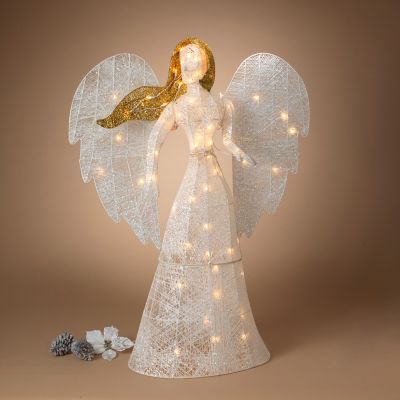
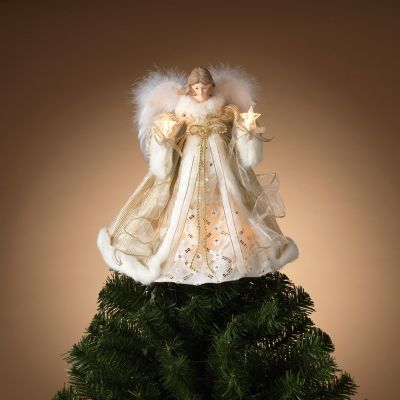
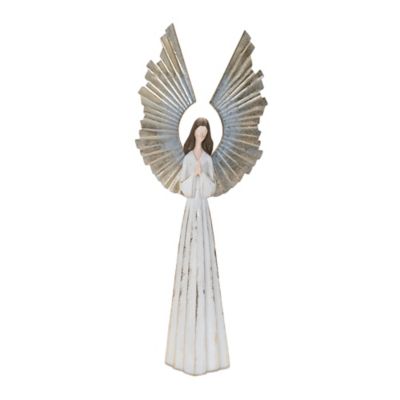
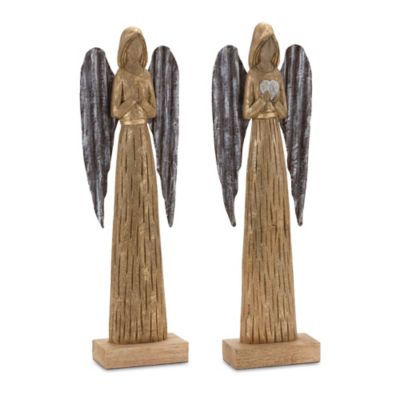
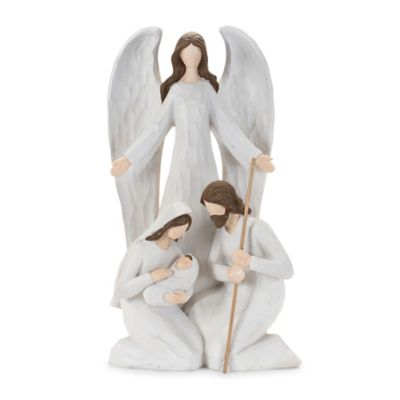
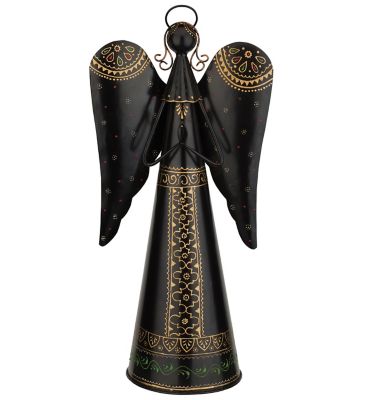
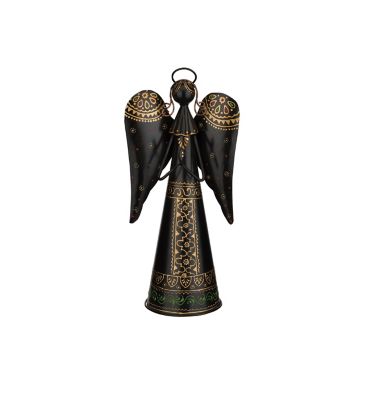
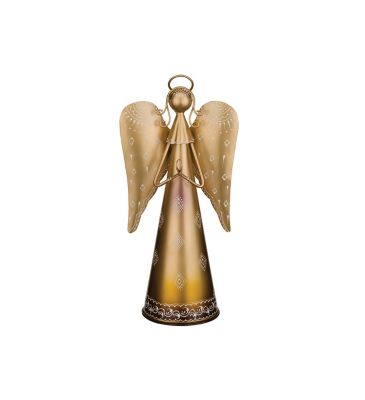
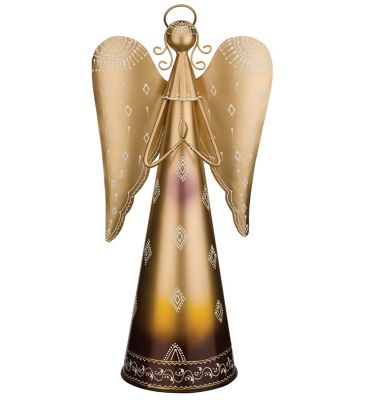
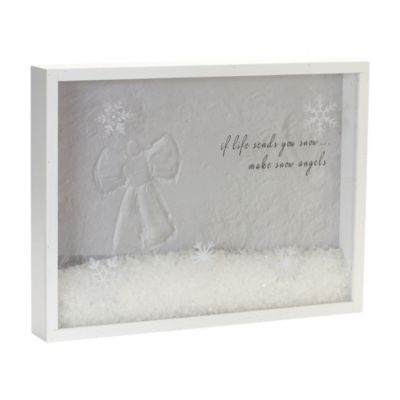
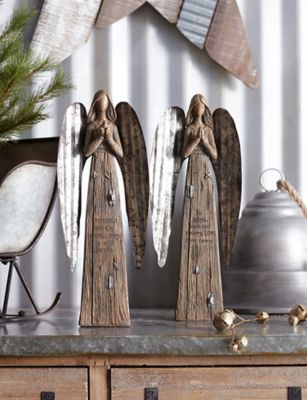
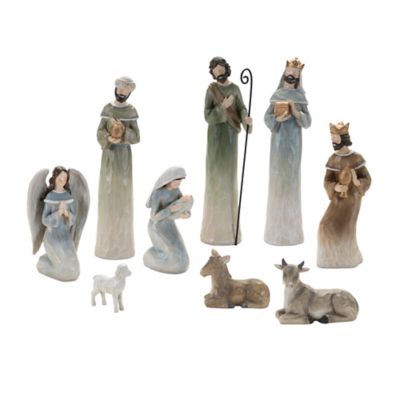
Christmas angel decorations include tree toppers, hanging ornaments, tabletop figures, and lighted outdoor displays, bringing a familiar symbol of peace and the Christmas story into holiday arrangements. Some angels have flowing robes, featherlike wings, and softly painted faces, while others take a simpler shape in wood, metal, or woven fibers. White, cream, silver, and gold suit traditional Christmas settings, and natural wood tones or burlap accents feel right at home beside pine greenery, a stone fireplace, or a well-worn farmhouse table. Angels can stand on their own as a quiet focal point or sit alongside a nativity scene, depending on their scale and design. A small figure on an entry table makes a different impression from a tall angel above the tree, so proportions matter as much as color. Tree toppers need enough clearance below the ceiling and a base that fits the upper branches without pulling them to one side. A lightweight angel often works better on a slender treetop, while a fuller tree may support a broader skirt and larger wings when its construction allows. Hanging angels also need branches strong enough to carry their weight, particularly when the material is glass, ceramic, or solid resin. Smaller ornaments can tuck between lights and ribbon, leaving room for each outline to show. On mantels and shelves, angels with flat, steady bases are easier to position among stockings, framed family photos, and greenery without crowding the surface. Fabric robes add softness, painted wood brings a down-to-earth feel, and glass catches nearby light with a gentle sparkle. The finish makes a difference, too: a matte surface looks quieter beside natural branches, while a reflective finish stands out against dark evergreen needles. Keeping the size, weight, and surrounding textures in mind helps an angel feel like part of the household’s Christmas traditions rather than something squeezed into an empty spot. In a busy family room, a little open space around the wings also keeps the shape visible from the couch or doorway.
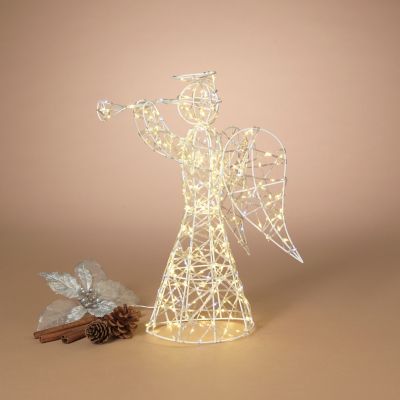
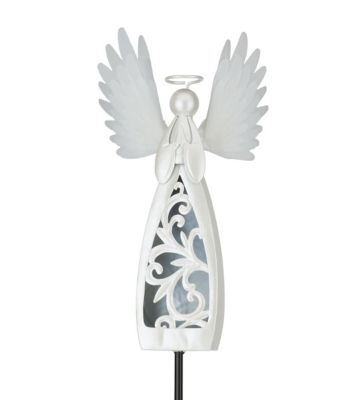
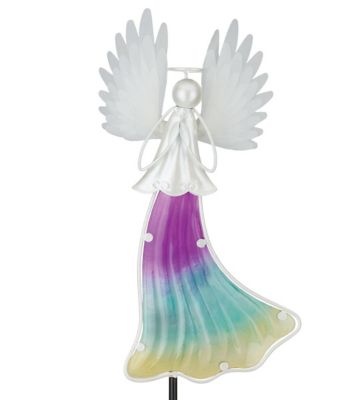
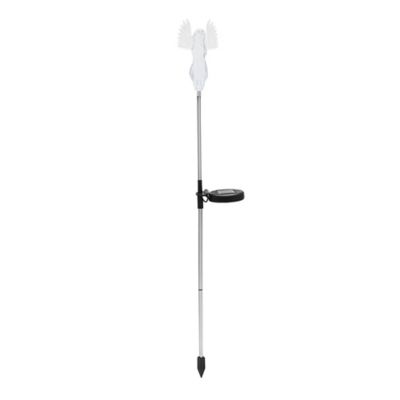
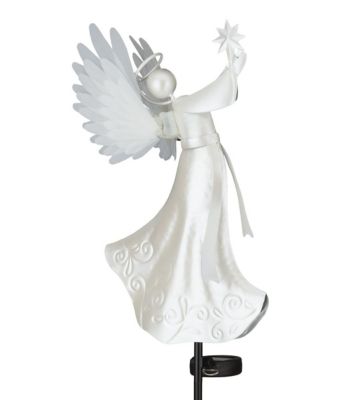
Outdoor Christmas angels carry that same welcoming feeling beyond the front door, whether the setting is a small porch, a broad farmhouse lawn, or an entrance beside a gravel drive. Wire-frame angels emphasize the outline of wings and robes, while more solid figures show their shape in daylight as well as after dark. Lighted versions may create a soft glow or a brighter outline, and the color of the light affects how they look beside roofline lights, porch lanterns, and nearby holiday displays. Warm white tends to blend with soft golden lighting, while cool white has a crisper appearance; checking the stated light color helps keep a display consistent. The right scale depends on viewing distance. An angel near porch steps can be modest in size and still draw attention, while one farther out in the yard needs a clear silhouette to be seen from the road. Wingspan and base depth deserve a look along with height, especially on a narrow porch or beside a walkway. For lawn and porch settings,
Outdoor Angel Decorations fit the theme, with weather suitability and secure placement among the main considerations. An outdoor location calls for a figure and any electrical components labeled for that setting; an indoor angel does not become suitable for rain or snow simply because it sits beneath a porch roof. Coated metal frames, molded materials, attachment points, and ground anchors all affect how a display handles exposure and stays in place. Anchoring requirements depend on the design and the surface beneath it, and frozen ground or loose soil can make placement more challenging. Cords need a route away from footsteps, gates, and equipment paths, with outdoor-rated connections and GFCI protection for plug-in lighting. A clear setback from the driveway also leaves room for vehicles, deliveries, and snow removal where needed. Following the stated setup directions and keeping the wings clear of doors and railings helps the display remain a welcome sight without getting in the way of everyday chores.
Christmas angels can also carry a personal meaning that lasts well beyond a single holiday gathering. A small hanging angel may mark a child’s first Christmas, a tabletop figure can become part of a family’s nativity arrangement, and a simple angel can make a thoughtful gift for someone setting up a home or carrying on a cherished tradition. For a gift, the recipient’s space and habits matter more than an elaborate design. Someone with a small tree may appreciate a lightweight ornament, while a household that gathers around a large mantel may have room for a standing figure with a broader base. Fragile glass and fine ceramic details need a spot away from curious pets, small children, and the edge of a busy table. Wood, resin, metal, and fabric each have their own care needs, so the material and finish should guide cleaning and storage. A soft, dry cloth is often enough for loose surface dust when the care instructions allow it; painted faces, glittered wings, and attached trim can suffer from rubbing or soaking. Fabric robes may hold dust in folds, and delicate seams or glued accents deserve gentle handling. Electrical angels need their own attention, including inspection for damaged cords, loose connections, or cracked housings before they are plugged in. Battery compartments should stay dry, and batteries should come out before long storage when the instructions call for removal. Once Christmas displays come down, clean, fully dry angels are easier to pack without trapping moisture against finishes or fabric. Separate wrapping helps protect faces, wing tips, and narrow hanging loops from bumps, while a sturdy container keeps heavier pieces from pressing against lighter ones. Original packaging can be handy for shaped figures, especially when its inserts support the base and wings. A dry indoor storage area also helps limit moisture exposure. With a sensible fit for the setting and care suited to the materials, an angel can remain a familiar part of Christmas at home, from the tree in the living room to the welcome at the front steps.