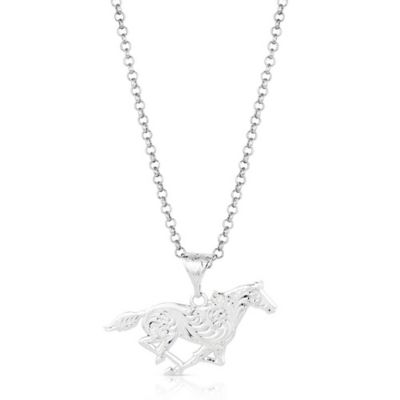
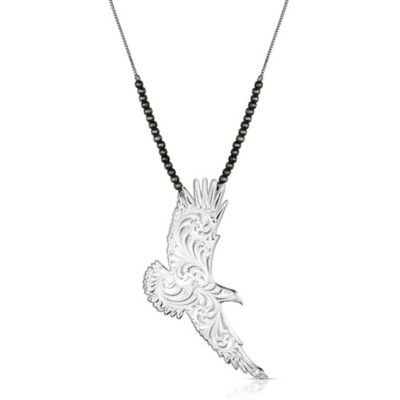
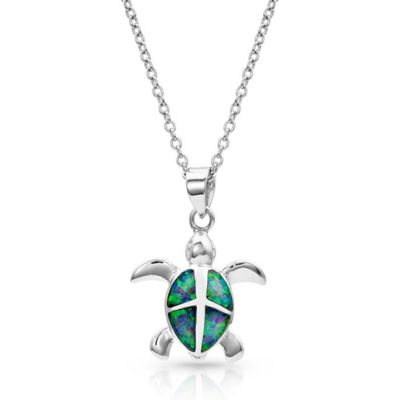
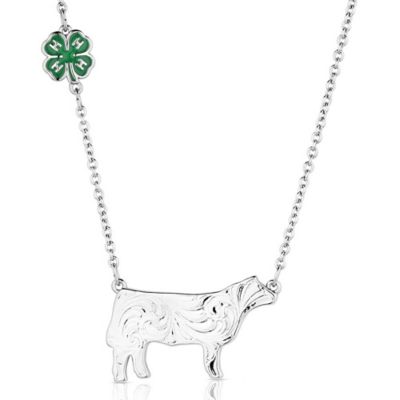
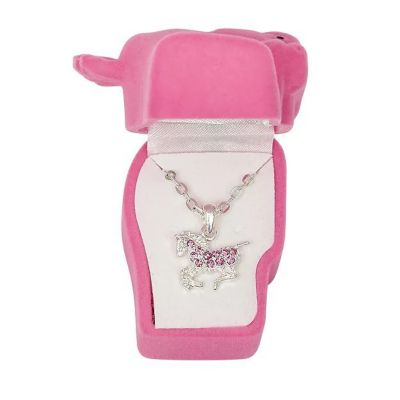
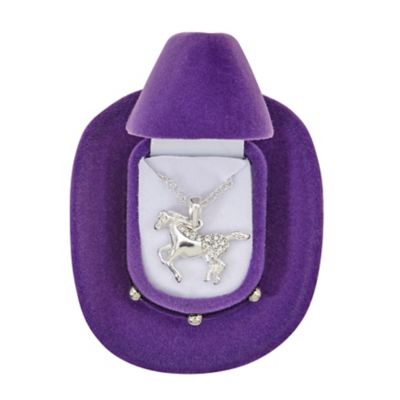
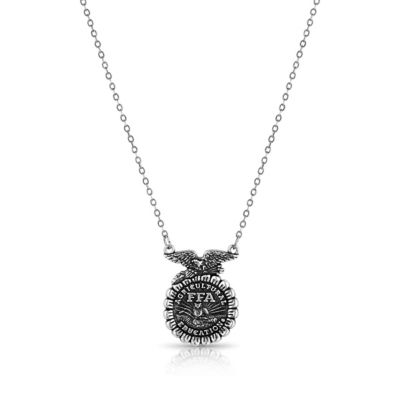
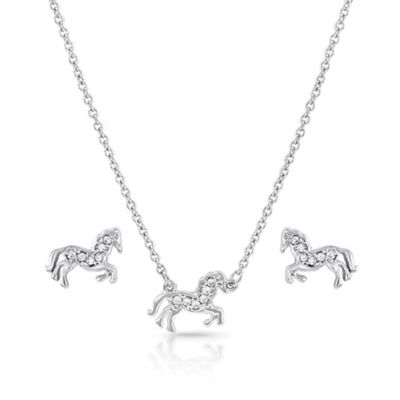
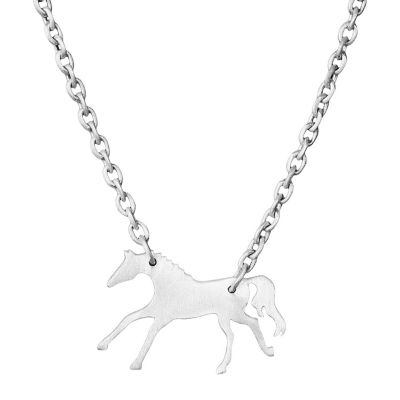
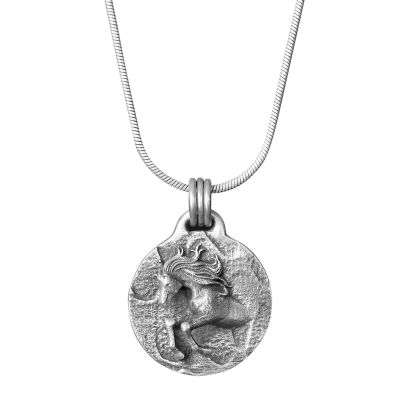
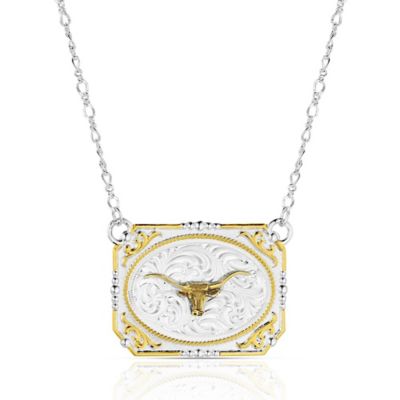
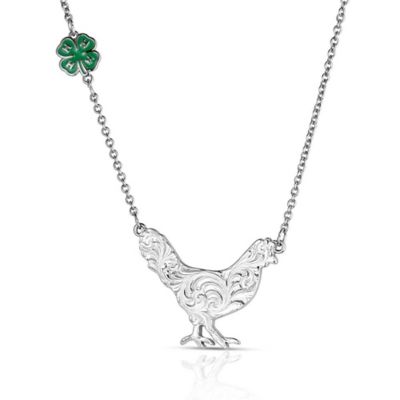
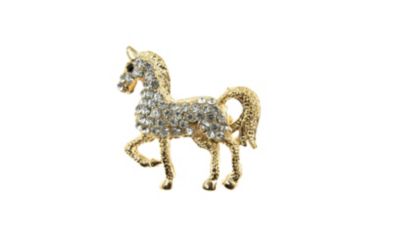
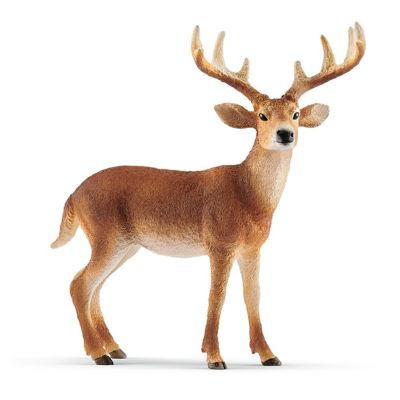
Animal pendant necklaces bring a favorite part of country life into an everyday outfit, whether that’s a horse that calls to mind hours in the saddle, a dog that looks like a faithful sidekick, or a bird that reminds someone of mornings around the farm. The appeal is often personal: a small animal shape can say plenty without a big, showy piece of jewelry. Simple outlines keep the look understated, while sculpted shapes, engraved details, and contrasting finishes give a pendant more depth. A recognizable silhouette may matter more than tiny features, especially when the necklace will be worn with a busy print or a textured shirt. For someone attached to a particular animal, details such as a horse’s stance, a cat’s curled tail, or a dog’s ears can make the design feel closer to home. The size of the pendant changes the overall effect, too. A smaller charm sits quietly against a plain tee, while a larger pendant becomes more of a focal point over a button-down or knit top. Pairing these necklaces with
animal graphic tees can carry the same interest through an outfit, though a simple shirt lets the pendant stand out on its own. Openwork shapes allow the shirt underneath to show through; solid pendants create a stronger outline. Smooth, rounded edges tend to feel more comfortable against bare skin, while raised ears, wings, horns, and other projecting details deserve a closer look if the necklace will rest against loosely woven fabric. A pendant that looks right in a picture should also suit the way someone dresses and moves. For everyday wear away from hands-on chores, a compact shape that lies flat may be easier to live with than a broad or heavily textured design. Animal jewelry doesn’t have to match every buckle, ring, or pair of earrings exactly, either. A shared metal tone or a similar level of detail can tie things together without making the outfit feel too carefully planned.
Materials, construction, and fit all play a part in how an animal pendant necklace feels over a full day. Sterling silver has a familiar silver tone and may develop tarnish that calls for occasional care, while stainless steel generally resists tarnishing and has its own weight and feel. Gold-tone and silver-tone finishes describe appearance rather than a complete material makeup, so the listed base metal and finish are worth checking, especially for anyone with metal sensitivities. A plated surface can gradually show wear where it rubs against skin, clothing, or other jewelry. Enamel adds color, and stone accents can catch the light, but either may call for different care than an unadorned metal pendant. Someone who prefers a low-fuss piece may lean toward a simpler surface with fewer small settings or recessed details to clean. Chain construction matters just as much as the animal design. Fine links give a lighter look, while thicker links have more visual presence; neither appearance alone tells the whole story about strength. The chain, clasp, connecting rings, and pendant loop need to work together, with enough room for the pendant to move without binding. A heavier pendant should be paired with a chain intended to support it. Length affects both comfort and placement. A shorter necklace may sit near the collarbone, while a longer chain can place the animal below a shirt opening or over a higher neckline. Those positions vary with neck size, body proportions, and the pendant’s own length, so a stated chain measurement is more helpful than assuming a necklace will fall exactly as pictured. Measuring a necklace that already fits comfortably gives a practical point of comparison. An extender offers some flexibility for different necklines, though its adjustment range still matters. Clasp size can also make a difference for someone who finds tiny fasteners awkward. When layering necklaces, a little separation between chain lengths helps keep the animal shape visible and reduces crowding around the pendants, rather than leaving several charms resting in the same spot.
Animal pendant necklaces also make thoughtful gifts when the choice reflects the person rather than just a general love of animals. A horse pendant can mark a rider’s graduation, a cat motif can suit a friend devoted to the barn cats, and a familiar animal shape can carry memories of a much-loved companion. For a remembrance gift, a quieter design may feel more fitting than a bright, playful one, though the recipient’s usual style is the best clue. Necklace length, preferred metal color, and sensitivity to certain materials are worth knowing before choosing. For younger recipients, age recommendations and adult supervision matter, since chains and small parts aren’t appropriate for every child. Everyday care helps protect both the finish and the small connections that keep a necklace together. Following the care directions for the particular materials is important; a cleaning method suitable for plain silver may not suit a plated pendant, enamel, or a delicate accent. A soft cloth can lift light surface residue, and letting a necklace dry fully before putting it away helps keep moisture from lingering around links and settings. Separate storage keeps chains from knotting and pendants from rubbing against harder jewelry. Applying lotions, fragrances, and hair products before putting on a necklace can also limit direct contact with those substances. Even a sturdy-looking chain needs sensible handling around farm work. Necklaces belong safely tucked away before operating machinery, handling equipment that could catch a chain, or working closely with animals that might grab or pull it. Taking one off before swimming, bathing, or strenuous work can help protect the finish and reduce snagging. An occasional look at the clasp, connecting rings, and pendant loop can reveal a gap or worn spot before the necklace slips away. With a comfortable fit and care that suits its materials, an animal pendant can become a familiar finishing touch for trips into town, family get-togethers, and ordinary days when a small reminder of a favorite animal feels just right.