Pinworms in Horses: Signs, Symptoms, Treatment and Prevention
Efrem Hunter, DVM
Efrem Hunter, DVM
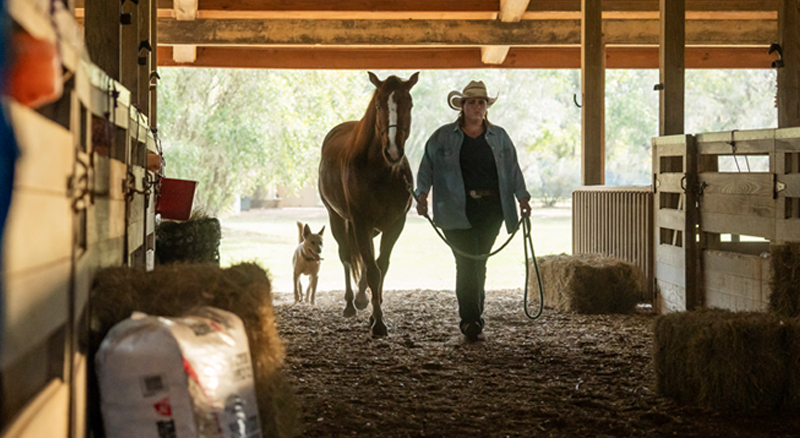
If your horse is exhibiting repeated tail rubbing against areas such as fence posts, stall walls or gates, that is a common sign of a pinworm infection. The behavior is often associated with pinworm-induced irritation around the tailhead, the bony area at the base of the tail where the spinal column transitions into the tailbone. Working closely with a veterinarian gives owners the clearest path to symptom relief for the affected horse, and since no vaccine is available, vet-guided parasite control and environmental management are crucial components of prevention.
Pinworms in horses are caused by Oxyuris equi, a roundworm that lives primarily in the large intestine. These internal parasites are very common, and it is highly likely that every horse will encounter pinworms at some point in its lifetime. Different from other parasites, they do not cause colic (abdominal pain) or weight loss and are generally not considered dangerous or life-threatening. However, pinworms are known for causing intense irritation and discomfort, which can affect the horse’s quality of life if left untreated.
Infection is caused by highly contagious eggs found in contaminated stalls, pastures, bedding, fences or shared equipment. The infection starts with the accidental ingestion of the microscopic eggs during feeding or self-grooming. Once inside the horse, the eggs hatch inside the horse’s digestive tract and develop into larvae. These larvae mature into adult pinworms within the large intestine, where they continue the life cycle by reproducing and laying more eggs.
Female pinworms migrate to the anus to deposit eggs around the perineal region (the skin surrounding the anal opening). You may notice yellowish, gray or white patches of crusty eggs around the outside of the rectum. This is what produces the hallmark irritation associated with pinworms, typically leading to excessive rubbing and potentially causing hair loss and secondary infections. Occasionally, you might see adult female pinworms (white parasites up to 4 inches long with pointed tails) hanging from the rectum or in manure.
According to the American Association of Equine Practitioners (AAEP), adult pinworms are typically present in the dorsal (backside) colon by about 100 days after infection. Pinworm infection in horses can occur at any age, though historically it is more common and severe in younger horses. Adults are still at risk, with the risk increasing with age as natural immunity wanes or resistance to dewormers grows.
Recognizing the signs of a pinworm infection early gives veterinarians the chance to confirm the diagnosis before secondary skin issues develop. Most signs relate to the tailhead and rear quarters, but pinworm symptoms overlap with several other conditions that cause horses to rub their tails. Common differential diagnoses include insect bite hypersensitivity (sometimes called sweet itch), lice infestation, dirty udder or sheath, dry skin around the dock (the muscular, bony base of the tail that is covered in skin) and various dermatologic conditions.
The signs of equine pinworm infection include:
The most visible sign of pinworm infection is repeated tail rubbing. Affected horses press the base of the tail against fence posts, stall walls, gate edges or any solid object firm enough to scratch against. Though it is often the most common symptom associated with pinworm infection, tail rubbing alone is not specific to this parasite, which is why veterinary confirmation is necessary.
Pinworm eggs are deposited around the anus in a sticky secretion that causes intense itching, a condition called pruritus. Owners may notice the horse repeatedly turning to bite or chew at the tailhead, swishing the tail more than usual or appearing restless without an obvious cause.
In moderate to severe cases, ongoing friction causes hair around the tailhead to break off, exposing raw or thickened skin. Veterinarians refer to this damage as excoriation, a term describing skin that has been scraped or abraded by repeated trauma. Hair loss is usually most pronounced at the base of the tail, but it may extend across the hindquarters or perineum, depending on how aggressively the horse rubs. Secondary bacterial or fungal skin infections can develop in damaged tissue, making early veterinary evaluation important.
Veterinary examination typically begins with a visual inspection of the perineal region, where, in some cases, eggs may be visible, though not every horse with pinworms will have obviously visible crusts. The veterinarian will also assess the extent of skin damage, look for secondary infection and evaluate the horse for other parasitic or dermatologic conditions that share similar signs.
Unlike many other intestinal parasites, female pinworms migrate out of the horse's rectum to lay their eggs on the skin of the perineal area. Because of this, standard fecal egg count (FEC) tests are notoriously unreliable for diagnosing pinworms. According to AAEP guidance, the most sensitive diagnostic methods for pinworms are the tape test and microscopic examination of perineal scrapings. Both techniques target the area where female pinworms deposit eggs externally.
Also known as the Scotch tape test or cellophane tape test, this non-invasive diagnostic test involves pressing a piece of clear adhesive tape directly against the skin around the anus and tailhead area. This is usually done early in the morning when egg deposits are freshest. The tape is then placed on a glass slide and examined under a microscope for the presence of pinworm eggs, providing quick confirmation of infestation.
Veterinarians may also diagnose pinworms by evaluating perineal scrapings from the skin surrounding the anus and perineal region. During the procedure, the vet will gently collect samples from the affected area using a lubricated spatula or tongue depressor, then examine them under a microscope. This diagnostic method is commonly used in cases of chronic irritation or when the tape test provides inconclusive results.
Anthelmintic resistance, or the reduced ability of a dewormer to kill its target parasite, is now documented in Oxyuris equi populations across multiple continents. No anthelmintic eliminates every parasite stage, and pinworms should not be specifically targeted unless a confirmed clinical problem exists on the property. Because consistent dewormer effectiveness cannot be assumed, ongoing prevention and environmental management carry greater clinical weight than treatment alone.
Veterinarians may consider these three anthelmintic classes when treatment is warranted:
The macrocyclic lactone class includes ivermectin (Zimecterin® Horse Dewormer Paste) and moxidectin (Quest® Equine Dewormer Gel). These products were historically considered highly effective against pinworms, but their usefulness has now been reported to be reduced in Europe, North America, South America and New Zealand. Veterinarians may still use macrocyclic lactone dewormers as part of a broader parasite control plan, but they should not be relied on alone when pinworm resistance is suspected. Use these products only with veterinary guidance.
Benzimidazole dewormers, such as fenbendazole and oxibendazole, work by disrupting the parasite’s cellular structure, ultimately leading to the worm’s death. When macrocyclic lactone resistance is suspected, the AAEP recommends benzimidazole dewormers as the preferred alternative. Some benzimidazole paste dewormers labeled for pinworms include:
Safe-Guard® Dewormer Paste, 10% (fenbendazole) – preferred when macrolide resistance is suspected
Panacur® Equine Dewormer Paste, 10% (fenbendazole)
Zoetis ANTHELCIDE EQ® Horse Dewormer Paste (oxibendazole)
Your vet may also consider Safe-Guard® Equi-Bits® Top Dress Pellets Horse Dewormer (fenbendazole).
Pyrantel pamoate is another option that has historically been used against pinworms. However, the effectiveness of this medication against Oxyuris equi can vary. Pyrantel pamoate paralyzes adult pinworms but does not affect larvae or other immature stages of the parasite. This means that even when treatment reduces adult worm numbers, environmental reinfection from eggs already deposited can quickly re-establish the cycle. Environmental management and hygiene remain essential components of managing pinworm infection alongside any anthelmintic treatment.
Recovery and prevention are where owners take the most active role in pinworm management, since hygiene and environmental control reduce reinfection pressure that no dewormer can fully address. Owners working with their veterinarians can take concrete steps to support recovery in the affected horse and to reduce infection risk across the property. No vaccine exists for pinworm infection in horses, which means prevention depends entirely on hygiene, environmental management and a veterinarian-directed parasite control program.
Recovery management begins immediately after the veterinary visit. Continued monitoring of the perineal area for irritation, hair regrowth and signs of secondary infection helps to determine whether the treatment is working. Any return of tail rubbing or new skin lesions should be reported to the veterinarian without delay. Cleaning the hindquarters and tail periodically may also be recommended to remove residual egg material, using clean cloths and warm water with mild soap.
Environmental management is the most actionable tool against reinfection, since pinworm eggs are deposited externally and contaminate stalls, fences, gates and shared equipment. Specific steps that reduce environmental egg load include:
Frequent muck and stall cleaning removes contaminated waste before eggs can spread to other surfaces.
Regular laundering of tail wraps and blankets in hot water reduces the chance of egg buildup on shared materials.
Replacing soiled bedding promptly limits both moisture and parasite egg load in the stall.
For perineal-area hygiene, use clean cotton cloths with mild soap and warm water.
Dedicating tail wraps, brushes and combs to individual horses further reduces the chance of pinworms spreading. Separate grooming tools and tail wraps per horse and disinfect after each use.
Use disinfectant sprays for stall surfaces and equipment.
A parasite control program built with veterinary input provides the most dependable preventive framework. The AAEP recommends moving away from fixed-interval calendar deworming and toward a targeted approach informed by fecal egg count testing. Although fecal egg counts are not reliable for diagnosing pinworms directly, they help to identify high strongyle (parasitic intestinal roundworms that infect a horse’s digestive tract) shedders within a herd and inform broader anthelmintic decisions. Annual fecal egg count reduction tests, which evaluate whether dewormers remain effective on a given property, are recommended for every barn.
Dewormers for pinworms fall into three classes that a veterinarian may consider based on documented effectiveness at the horse’s home location:
Paste wormers for pinworms in the benzimidazole class, such as fenbendazole and oxibendazole, are often prioritized when macrocyclic lactone resistance is suspected.
Paste products in the macrocyclic lactone class, such as ivermectin and moxidectin, may still play a role within a broader veterinarian-directed plan despite documented resistance.
Pyrantel salts are available as a single-dose paste, pyrantel pamoate, or as daily wormers for pinworms in a continuous-feeding pellet form, though usefulness against pinworms can vary across both formulations.
Frequently Asked Questions
No. Oxyuris equi is host-specific to equines and does not infect humans. Human pinworms are caused by a separate species, Enterobius vermicularis, that is not transmitted between horses and people.
Pinworm infections typically do not resolve without veterinary-guided treatment because adult worms continue depositing eggs, which sustains both irritation and environmental contamination. A confirmed case should be addressed through a veterinarian-directed plan rather than left to resolve on its own.
Most horses show reduced tail rubbing within 2 to 4 weeks of effective treatment. Persistent or recurring signs beyond that window should prompt a follow-up veterinary visit to evaluate dewormer efficacy and consider whether resistance or reinfection is involved.
Managing pinworms in horses calls for a layered, long-term approach because the parasite spreads easily and resistance to common dewormers is well documented. Consistent veterinary care, paired with reliable access to horse supplies and parasite management products, supports the ongoing routine that keeps infection pressure low across a barn. Shop Tractor Supply’s horse pharmacy to find dewormers and supplements that round out a comprehensive equine parasite management plan.
Author Summary Dr. Efrem Hunter Veterinarian Guest Author Dr. Efrem Hunter is a veterinarian, business owner, and pet industry consultant based in the Greater Houston, Texas, metropolitan area, where he owns and operates PetVet365-Cypress. He has more than 20 years of experience spanning clinical practice, pet nutrition, and the veterinary pharmaceutical industry. |