[Christmas](https://www.tractorsupply.com/tsc/catalog/christmas)[Halloween](https://www.tractorsupply.com/tsc/catalog/halloween)[Pet](https://www.tractorsupply.com/tsc/category/pet)[Lawn & Garden](https://www.tractorsupply.com/tsc/category/lawn-garden)[Truck & Automotive](https://www.tractorsupply.com/tsc/catalog/truck-automotive)[Sporting Goods](https://www.tractorsupply.com/tsc/category/sporting-goods)[Horse](https://www.tractorsupply.com/tsc/category/horse)[Farm & Ranch](https://www.tractorsupply.com/tsc/category/farm-ranch)[Clothing](https://www.tractorsupply.com/tsc/category/clothing)[Livestock](https://www.tractorsupply.com/tsc/catalog/livestock)[Pet & Animal Pharmacy](https://www.tractorsupply.com/tsc/category/pet-animal-pharmacy)[Tools](https://www.tractorsupply.com/tsc/category/tools)[Poultry](https://www.tractorsupply.com/tsc/category/poultry)[Fencing & Gates](https://www.tractorsupply.com/tsc/category/fencing-gates)[Home Improvement](https://www.tractorsupply.com/tsc/category/home-improvement)[Outdoor Living](https://www.tractorsupply.com/tsc/category/outdoor-living)[Heating & Cooling](https://www.tractorsupply.com/tsc/category/heating-cooling)[Home Decor & Furniture](https://www.tractorsupply.com/tsc/category/home-decor-furniture)[Outdoor Power Equipment](https://www.tractorsupply.com/tsc/category/outdoor-power-equipment)[Trailers & Towing](https://www.tractorsupply.com/tsc/category/trailers-towing)[Boots & Shoes](https://www.tractorsupply.com/tsc/category/boots-shoes)[Wild Birds & Wildlife](https://www.tractorsupply.com/tsc/category/wild-birds-wildlife)[Toys](https://www.tractorsupply.com/tsc/category/toys)[Gift Cards](https://www.tractorsupply.com/tsc/catalog/gift-cards-3074457345616710669-1)[Services](https://www.tractorsupply.com/tsc/services) [Propane Refill](https://www.tractorsupply.com/tsc/services/propane-refill-Franklin-TN-37069-2314)[Trailer Rental](https://www.tractorsupply.com/tsc/services/trailer-rental)[Garden Center](https://www.tractorsupply.com/tsc/services/garden-center-Franklin-TN-37069-2314)[Feed Center](https://www.tractorsupply.com/tsc/services/feed-center-Franklin-TN-37069-2314)[Same Day Delivery](https://www.tractorsupply.com/tsc/services/same-day-delivery)[PetVet Clinic](https://www.tractorsupply.com/tsc/services/petvet)[Pet Wash](https://www.tractorsupply.com/tsc/services/pet-wash)[Grooming at Petsense](https://www.tractorsupply.com/tsc/services/grooming-at-petsense)[Dog Training at Petsense](https://www.petsense.com/pages/training)[Tractor Supply Rx](https://www.tractorsupply.com/tsc/category/pet-animal-pharmacy)[Pet Insurance](https://quote.petted.com/quote/ref=tractor?cm_sp=Navi-_-Pet%20L1-_-Insurance)[Wag!](https://wagwalking.com/partners/tractor-supply?isIntSrch=written)
"Savings and Offers"
[Weekly Ad](https://www.tractorsupply.com/tsc/cms/digital-flyer)[Sale](https://www.tractorsupply.com/tsc/sale)[Clearance](https://www.tractorsupply.com/tsc/clearance)
"More Options"
[Weekly Ad](https://www.tractorsupply.com/tsc/cms/digital-flyer)[What's New](https://www.tractorsupply.com/tsc/whatsnew)[Tractor Supply App](https://www.tractorsupply.com/tsc/cms/app)[Earn Rewards with Neighbor's Club](https://www.tractorsupply.com/tsc/cms/neighbors-club)[Hometown Heroes](https://www.tractorsupply.com/tsc/myaccount/herobenefits)[Life Out Here Blog](https://www.tractorsupply.com/tsc/cms/life-out-here)[TSC Exclusive Brands](https://www.tractorsupply.com/tsc/cms/exclusive-brands)[Top Brands](https://www.tractorsupply.com/tsc/brands)[Clearance Items](https://www.tractorsupply.com/tsc/clearance)[Battery Finder](https://tractorsupply.interstatebatteries.com/?cm_sp=Header-_-Shop-_-Battery_Finder)[Outdoor Power Equipment Parts Finder](http://www.ordertree.com/tsc/?cm_sp=Header-_-Shop-_-Parts_Finder)[Hitch Finder](https://www.reesetowpower.com/tractor-supply/?cm_sp=Header-_-Shop-_-Hitch_Finder)
Spend $49.99 to unlock Free Delivery on most orders
|
[Learn More](https://www.tractorsupply.com)
[Order status](https://www.tractorsupply.com/tsc/orders?orderlookuppage)[TSC Credit Cards](https://www.tractorsupply.com/tsc/cms/credit)[What’s new](https://www.tractorsupply.com/tsc/whatsnew)[Petsense](https://www.petsense.com/)[Weekly Ad](https://www.tractorsupply.com/tsc/cms/digital-flyer)
[](https://www.tractorsupply.com)
[](https://www.tractorsupply.com/)
Grassland (Franklin) TN
GRASSLAND (FRANKLIN) TN #2314
[2176 Hillsboro RD STE 122
Franklin, TN 37069](https://www.google.com/maps/search/?api=1&query=Tractor%20Supply%20Co.%201650%20Denmark%20RD%2CUnion%2CMO%2063084)
Open until 9:00 pm
615-595-5700
Store Hours:
[Details](https://www.tractorsupply.com/tsc/store_Franklin-TN-37069_2314)
Grassland (Franklin) TN
Open till 9 pm
Deliver to
37027
Ask ScoutAI
Sign In / EnrollGet rewarded!
Sign In / EnrollGet rewarded!
[](https://www.tractorsupply.com/tsc/cart)
Ask ScoutAI
[Christmas](https://www.tractorsupply.com/tsc/catalog/christmas)
[Halloween](https://www.tractorsupply.com/tsc/catalog/halloween)
[Pet](https://www.tractorsupply.com/tsc/category/pet)
[Lawn & Garden](https://www.tractorsupply.com/tsc/category/lawn-garden)
[Truck & Automotive](https://www.tractorsupply.com/tsc/category/truck-automotive)
[Sporting Goods](https://www.tractorsupply.com/tsc/category/sporting-goods)
[Horse](https://www.tractorsupply.com/tsc/category/horse)
[Farm & Ranch](https://www.tractorsupply.com/tsc/category/farm-ranch)
[Clothing](https://www.tractorsupply.com/tsc/category/clothing)
[Livestock](https://www.tractorsupply.com/tsc/category/livestock)
[Pet & Animal Pharmacy](https://www.tractorsupply.com/tsc/category/pet-animal-pharmacy)
[Tools](https://www.tractorsupply.com/tsc/category/tools)
[Poultry](https://www.tractorsupply.com/tsc/category/poultry)
[Fencing & Gates](https://www.tractorsupply.com/tsc/category/fencing-gates)
[Home Improvement](https://www.tractorsupply.com/tsc/category/home-improvement)
[Outdoor Living](https://www.tractorsupply.com/tsc/category/outdoor-living)
[Heating & Cooling](https://www.tractorsupply.com/tsc/category/heating-cooling)
* * *
[Menu](https://www.tractorsupply.com)
Search
[Home](https://www.tractorsupply.com/)
Sign In
[Cart](https://www.tractorsupply.com/tsc/cart)
[__Deals to start the season off right -__ Shop now>](https://www.tractorsupply.com/tsc/cms/digital-flyer)
* * *
CATEGORIES
Pets
- [Dogs](https://www.tractorsupply.com/tsc/cms/life-out-here/pet/dogs)
- [Cats](https://www.tractorsupply.com/tsc/cms/life-out-here/pet/cats)
- [All](https://www.tractorsupply.com/tsc/cms/life-out-here/pet)
The Barn
- [Horse](https://www.tractorsupply.com/tsc/cms/life-out-here/the-barn/horse)
- [Livestock](https://www.tractorsupply.com/tsc/cms/life-out-here/the-barn/livestock)
- [Goats & Sheep](https://www.tractorsupply.com/tsc/cms/life-out-here/the-barn/goats-and-sheep)
- [Pigs](https://www.tractorsupply.com/tsc/cms/life-out-here/the-barn/pigs)
- [All](https://www.tractorsupply.com/tsc/cms/life-out-here/the-barn)
The Coop
- [Start Your Flock](https://www.tractorsupply.com/tsc/cms/life-out-here/the-coop/start-your-flock)
- [Poultry Breeds](https://www.tractorsupply.com/tsc/cms/life-out-here/the-coop/poultry-breeds)
- [Coop Tips](https://www.tractorsupply.com/tsc/cms/life-out-here/the-coop/coop-tips)
- [Chick Care](https://www.tractorsupply.com/tsc/cms/life-out-here/the-coop/chick-care)
- [All](https://www.tractorsupply.com/tsc/cms/life-out-here/the-coop)
Garden
- [Gardening Tips](https://www.tractorsupply.com/tsc/cms/life-out-here/garden/gardening-tips)
- [Growing Guides](https://www.tractorsupply.com/tsc/cms/life-out-here/garden/growing-guides)
Home & Land
- [Fresh Recipes](https://www.tractorsupply.com/tsc/cms/life-out-here/garden-home-land/fresh-recipes)
- [Heating & Cooling](https://www.tractorsupply.com/tsc/cms/life-out-here/garden-home-land/heating-and-cooling)
- [Bees](https://www.tractorsupply.com/tsc/cms/life-out-here/garden-home-land/bees)
- [Lawn](https://www.tractorsupply.com/tsc/cms/life-out-here/garden-home-land/lawn)
- [Fencing](https://www.tractorsupply.com/tsc/cms/life-out-here/garden-home-land/fencing)
- [All](https://www.tractorsupply.com/tsc/cms/life-out-here/garden-home-land)
Tool Shop
- [The Garage](https://www.tractorsupply.com/tsc/cms/life-out-here/tool-shop/the-garage)
- [Tool Tips](https://www.tractorsupply.com/tsc/cms/life-out-here/tool-shop/tool-tips)
- [Stock Your Shop](https://www.tractorsupply.com/tsc/cms/life-out-here/tool-shop/stock-your-shop)
- [All](https://www.tractorsupply.com/tsc/cms/life-out-here/tool-shop)
Outdoor Life
- [Birding](https://www.tractorsupply.com/tsc/cms/life-out-here/outdoor-life/birding)
- [Recreation](https://www.tractorsupply.com/tsc/cms/life-out-here/outdoor-life/recreation)
- [Hunting](https://www.tractorsupply.com/tsc/cms/life-out-here/outdoor-life/hunting)
- [All](https://www.tractorsupply.com/tsc/cms/life-out-here/outdoor-life)
1. [Home](https://www.tractorsupply.com/tsc/cms/life-out-here)
2. [The Coop](https://www.tractorsupply.com/tsc/cms/life-out-here/the-coop)
3. [Poultry Breeds](https://www.tractorsupply.com/tsc/cms/life-out-here/the-coop/poultry-breeds)
4. Smokey Pearl Breed Guide
# Smokey Pearl Breed Guide
Feb 18, 2026
[Erica Lynn Geller](https://www.tractorsupply.com)
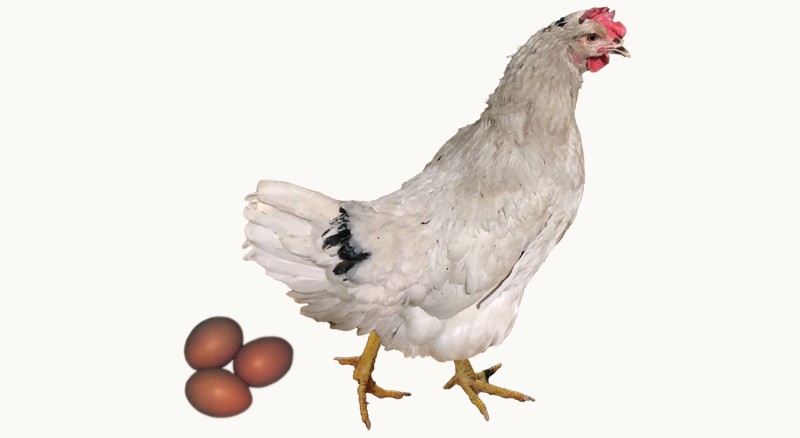
# __Smokey Pearl Breed Guide__
When it comes to a chicken that’s equal parts beautiful and practical, the [Smokey Pearl](https://www.tractorsupply.com/tsc/catalog/chickens?filter=1nw%7CSmokey%20Pearl) steals the show. With its soft, smoky-gray plumage and subtle pearly sheen, this bird turns heads in the backyard. Beyond looks, the Smokey Pearl chicken is known for its calm temperament, reliable egg production and adaptability to a wide range of climates, proving itself as a hardy, low-maintenance breed. Whether you’re a first-time chicken keeper or a seasoned enthusiast, this guide from Tractor Supply will help you decide if the Smokey Pearl is right for your flock.
#### Quick Facts
- __Breed type:__ Egg
- __Egg color:__ Brown
- __Pen or free-range:__ Both
- __Temperament:__ Docile, friendly, calm
#### __Smokey Pearl quick facts:__
- __Lifespan:__ 4-5 years
- __Weight:__ Females (hens) 3-4 lb.; Males (roosters) 4-6 lb.
- __Appearance:__ Gray plumage with subtle ghost barring, single red comb, red facial features
- __Egg production:__ 200-280 eggs/year (4-5 eggs/week)
- __Good for beginners:__ Yes
#### Summary
- Smokey Pearl chickens are medium-sized birds with a leaner egg-laying build.
- Around people and other birds, Smokey Pearls tend to stay calm, and they usually integrate into mixed flocks smoothly.
- These frequent egg layers typically produce 200-280 eggs per year.
- Creatures of habit, Smokey Pearl chickens tend to shine when the flock’s days stay predictable.
### __Roots of the Smokey Pearl Breed__
The Smokey Pearl is described as a newer, hatchery-developed hybrid, which explains why it doesn’t have the same storied history as heritage breeds. Its hybrid background also explains the subtle visual differences you can see even within a single group, especially in how pronounced the barring appears.
The breed was developed in the United States to meet the needs of modern backyard keepers and dependable brown egg output. Through careful crossbreeding of well-established lines, the Smokey Pearl emerged, sporting its signature smoky gray coloring, subtle pearlescent feathering and strong genetics.
Today, it’s known as a worthy utility breed and a purpose-bred chicken designed for modern chicken keeping. Its growing presence in flocks reflects a broader shift toward poultry that is beautiful, productive and easy to care for – all qualities that define this elegant breed.
### __Temperament and Personality__
Smokey Pearls are widely appreciated for their docile, friendly and easygoing personalities. These chickens tend to be gentle rather than aggressive, integrating smoothly into mixed-breed flocks and rarely disrupting the pecking order. Their calm demeanor also makes them a suitable breed for families with small children.
#### Foraging Tendencies
Curious and observant, these chickens are also noted for being active foragers. They are often happiest exploring their surroundings, even if they live primarily in an enclosed environment. Their steady temperament means they handle confinement better than more high-strung breeds, as long as they have enough space and enrichment.
When roaming space is limited, many flocks may become bored, which often appears as pacing or squabbling. For curious birds, such as the Smokey Pearl, adding [toys, swings and perches](https://www.tractorsupply.com/tsc/catalog/chicken-toys-swings-perches) to their run can prevent restlessness and provide much-needed mental stimulation.
#### Broodiness
Smokey Pearls are often described as not strongly broody, meaning you may not get reliable sit-and-hatch behavior from hens. If hatching is part of your long-range plan, it helps to think about [egg hatching supplies](https://www.tractorsupply.com/tsc/catalog/hatching-egg-supplies) early, and don’t treat [incubation](https://www.tractorsupply.com/tsc/catalog/incubators) as something you assume the flock will handle naturally.
__Expert tip:__ Spend a few minutes each day interacting with your Smokey Pearls, such as handfeeding them treats or calmly talking to them. Consistent, gentle interaction helps to reinforce their natural calm demeanor and build trust.
### __Physical and Egg Characteristics__
Smokey Pearl chickens are known for gray plumage and subtle patterning, often described as ghost barring. Some birds show striping clearly, while others appear more solid gray, which is part of why the flock can look varied even under one name. The comb is typically described as a single comb, with red facial features that stand out against the gray feathering.
Most descriptions place the Smokey Pearl in a medium-sized range. Hens (3-4 lb.) are lighter than roosters (4-6 lb.), and roosters usually show the same gray tones and patterning, just on a larger frame with a more pronounced presence.
Smokey Pearl hens typically lay large brown eggs at a steady pace, with many laying upwards of 280 eggs per year. The breed is generally classified within the 200-280 eggs per year range. That averages about 4-5 eggs per week, depending on several factors, such as age, light exposure and nutrition. To maximize production, provide a minimum of 12-14 hours of daily light, using supplemental light during shorter days, and a diet high in protein and calcium. Predators, extreme hot weather and dirty, crowded coops can also cause hens to stop laying, so pay attention to these factors, as well.
__Expert tip:__ Choose roost bars that are 2-3 in. wide with rounded edges to support the Smokey Pearl’s medium build. Doing so also helps prevent foot strain or pressure sores over time.
### __Living Space, Feed and Health Notes__
When mapping coop setup for this medium-sized breed, plan for comfortable movement, roost access and nest access. A secure, dry setup matters, which is why thoughtful [coop and housing](https://www.tractorsupply.com/tsc/catalog/chicken-coops-pens-nesting-boxes) choices shape the quality of care more than decorative extras. Nest cleanliness matters, too, especially for a consistent layer, and fresh [bedding](https://www.tractorsupply.com/tsc/catalog/poultry-bedding) supports that in a simple, direct way.
#### Feeding
For nutrition, feeding Smokey Pearls comes down to consistency for an egg-forward bird. A layer-focused base feed ration supports steady output. Use [poultry feed and treats](https://www.tractorsupply.com/tsc/catalog/poultry-feed-treats) to reinforce calm behavior, but keep treats limited so the complete feed stays the main source of nutrients. Access in the run matters as much as ingredients. Reliable [feeders and waterers](https://www.tractorsupply.com/tsc/catalog/poultry-feeders-waterers) help keep routines predictable, especially when weather changes make daily consistency harder.
#### Health
Smokey Pearl birds are commonly described as hardy and adaptable, which helps explain why they’re often considered beginner-friendly birds. Still, egg-forward birds tend to show stress quickly in their laying rhythm, so stability matters more than chasing perfect conditions.
These chickens benefit from basic, fundamental [health and wellness](https://www.tractorsupply.com/tsc/catalog/poultry-health-wellness) measures because routine care supports production. For flock management, [processing and identification](https://www.tractorsupply.com/tsc/catalog/poultry-processing-identification) tools can help you track birds, age and patterns over time. That clarity can be especially useful with hybrids, where individual differences can emerge even within the same group.
__Expert tip:__ Nest cleanliness is a production habit, not just a comfort detail. Fresh bedding helps keep eggs cleaner and reduces the risk of broken shells becoming a recurring problem.
### __Find Smokey Pearls and Poultry Essentials at Tractor Supply__
If Smokey Pearl chickens fit your flock plan, they’re an easy breed to picture in day-to-day backyard life. When you’re ready to browse options, start with our [poultry selection](https://www.tractorsupply.com/tsc/category/poultry) and focus on [live birds](https://www.tractorsupply.com/tsc/catalog/live-birds) and supplies that match your priorities. You can browse our entire lineup on our website or at [your local Tractor Supply store](https://www.tractorsupply.com/tsc/store-locator).
### __Frequently Asked Questions About Smokey Pearl Chickens__
__Are Smokey Pearls more valuable as hens or roosters?__
While most known for their egg production, Smokey Pearl chickens also add value to coops with their appearance and easygoing nature. Roosters generally share the same calm and friendly temperament as hens, though they may also exhibit typical maturity behaviors unique to their sex.
__Do Smokey Pearl roosters look different from hens?__
They’re typically described with the same gray tones and patterning, just on a larger frame with a more pronounced comb and presence.
__What does hybrid mean for this breed?__
It means the name refers to a planned cross created for certain traits, not a standardized breed with a fixed, heritage look across generations.
Get the top deals, latest trends and more
Sign up for emails from Tractor Supply today.
First Name*
First Name*
Last Name*
Last Name*
Email*
Email*
Sign Up
### Customer Support
- [Order Status](https://www.tractorsupply.com/tsc/orders?orderlookuppage)
- [Return Policy](https://www.tractorsupply.com/tsc/customer-solutions#ProductReturns)
- [Delivery Options](https://www.tractorsupply.com/tsc/customer-solutions#DeliveryOptions)
- [Tax Exemptions](https://www.tractorsupply.com/tsc/cms/policies-information/customer-solutions/tax-exemption)
- [Frequently Asked Questions](https://www.tractorsupply.com/tsc/customer-solutions#CustomerFAQ)
- [Contact Us](https://www.tractorsupply.com/tsc/customer-solutions#contact)
- [Recall Notices](https://www.tractorsupply.com/tsc/cms/policies-information/customer-solutions/recall-notices.html)
- Call:
(877) 718-6750
- [](https://www.tractorsupply.com)
Mon - Sat: 7am - 9pm CT
- [](https://www.tractorsupply.com)
Sun: 8am - 7pm CT
- [](https://www.tractorsupply.com)
Closed Christmas Day
### About Us
- [Who We Are](https://corporate.tractorsupply.com/company-overview/company-profile/default.aspx)
- [Investor Relations](https://ir.tractorsupply.com/CorporateProfile)
- [Stewardship](https://corporate.tractorsupply.com/stewardship/overview/default.aspx)
- [Community](https://ir.tractorsupply.com/Peer)
- [Military Support](https://www.tractorsupply.com/tsc/cms/military)
- [Product Catalog](https://www.tractorsupply.com/a/pt/index)
- [Tractor Supply Stores](https://www.tractorsupply.com/tsc/store-locator)
- [.Pharmacy Verified Website](https://tractorsupply.com/tsc/cms/accreditation)
### Work With Us
- [Careers](https://www.tractorsupply.careers/?utm_source=corpsite&utm_campaign=TSC_Shop&cm_sp=footer-_-tsc%20careers)
- [Sponsorship](https://www.tractorsupply.com/tsc/cms/policies-information/about-tsc/sponsorships)
- [Affiliate Program](https://www.tractorsupply.com/tsc/cms/policies-information/affiliate-program)
- [Potential Vendor Partners](https://www.tractorsupply.com/tsc/cms/policies-information/vendor-information/potential-vendor-partners)
- [Vendor Information](https://www.tractorsupply.com/tsc/cms/policies-information/vendor-information/vendor-center)
- [Tractor Supply Media Network](https://www.tractorsupplymedianetwork.com/)
### Neighbor's Club
- [About](https://www.tractorsupply.com/tsc/cms/neighbors-club)
- [Rewards](https://www.tractorsupply.com/AccountDashboardView?catalogId=10051&langId=&storeId=10151&topNav=nCOfferReward%3Fcm_sp%3Dfooter-_-navigation-_-Neighbors%20Club%20Member)
- [Hometown Heroes](https://www.tractorsupply.com/tsc/myaccount/herobenefits)
- [Frequently Asked Questions](https://www.tractorsupply.com/tsc/cms/neighbors-club-faq)
- [Terms & Conditions](https://www.tractorsupply.com/tsc/cms/neighbors-club-terms-and-conditions)
### Credit Center
- [TSC Credit Card](https://www.tractorsupply.com/tsc/cms/credit)
- [Klarna](https://www.tractorsupply.com/tsc/cms/klarna)
### Stay Connected
Connect & Share with the Tractor Supply Community.
- [](https://www.facebook.com/TractorSupplyCo?cm_sp=footer-_-social%20icons-_-facebook)
- [](https://www.pinterest.com/tractorsupplyco?cm_sp=footer-_-social%20icons-_-pinterest)
- [](https://instagram.com/tractorsupply?cm_sp=footer-_-social%20icons-_-instagram)
- [](https://www.youtube.com/user/TSCTractorSupply?cm_sp=footer-_-social%20icons-_-youtube)
- [](https://www.tiktok.com/@tractorsupply?cm_sp=footer-_-social%20icons-_-tiktok)
### Tractor Supply App
Shop on the go with the Tractor Supply App
[Learn More](https://www.tractorsupply.com/tsc/cms/app.html)
[](https://apps.apple.com/us/app/id1502197298)
[](https://play.google.com/store/apps/details?id=com.consumerapp_v1)
### Stay Connected
Connect & Share with the Tractor Supply Community.
- [](https://www.facebook.com/TractorSupplyCo?cm_sp=footer-_-social%20icons-_-facebook)
- [](https://www.pinterest.com/tractorsupplyco?cm_sp=footer-_-social%20icons-_-pinterest)
- [](https://instagram.com/tractorsupply?cm_sp=footer-_-social%20icons-_-instagram)
- [](https://www.youtube.com/user/TSCTractorSupply?cm_sp=footer-_-social%20icons-_-youtube)
- [](https://www.tiktok.com/@tractorsupply?cm_sp=footer-_-social%20icons-_-tiktok)
### Tractor Supply App
Shop on the go with the Tractor Supply App
[Learn More](https://www.tractorsupply.com/tsc/cms/app.html)
[](https://apps.apple.com/us/app/id1502197298)
[](https://play.google.com/store/apps/details?id=com.consumerapp_v1)
### Customer Support
- [Order Status](https://www.tractorsupply.com/tsc/orders?orderlookuppage)
- [Return Policy](https://www.tractorsupply.com/tsc/customer-solutions#ProductReturns)
- [Delivery Options](https://www.tractorsupply.com/tsc/customer-solutions#DeliveryOptions)
- [Tax Exemptions](https://www.tractorsupply.com/tsc/cms/policies-information/customer-solutions/tax-exemption)
- [Frequently Asked Questions](https://www.tractorsupply.com/tsc/customer-solutions#CustomerFAQ)
- [Contact Us](https://www.tractorsupply.com/tsc/customer-solutions#contact)
- [Recall Notices](https://www.tractorsupply.com/tsc/cms/policies-information/customer-solutions/recall-notices.html)
- [Call:](https://www.tractorsupply.com) [(877) 718-6750](tel:%28877%29%20718-6750)
- [](https://www.tractorsupply.com)
Mon - Sat: 7am - 9pm CT
- [](https://www.tractorsupply.com)
Sun: 8am - 7pm CT
- [](https://www.tractorsupply.com)
Closed Christmas Day
### About Us
- [Who We Are](https://corporate.tractorsupply.com/company-overview/company-profile/default.aspx)
- [Investor Relations](https://ir.tractorsupply.com/CorporateProfile)
- [Stewardship](https://corporate.tractorsupply.com/stewardship/overview/default.aspx)
- [Community](https://ir.tractorsupply.com/Peer)
- [Military Support](https://www.tractorsupply.com/tsc/cms/military)
- [Product Catalog](https://www.tractorsupply.com/a/pt/index)
- [Tractor Supply Stores](https://www.tractorsupply.com/tsc/store-locator)
- [.Pharmacy Verified Website](https://tractorsupply.com/tsc/cms/accreditation)
### Work With Us
- [Careers](https://www.tractorsupply.careers/?utm_source=corpsite&utm_campaign=TSC_Shop&cm_sp=footer-_-tsc%20careers)
- [Sponsorship](https://www.tractorsupply.com/tsc/cms/policies-information/about-tsc/sponsorships)
- [Affiliate Program](https://www.tractorsupply.com/tsc/cms/policies-information/affiliate-program)
- [Potential Vendor Partners](https://www.tractorsupply.com/tsc/cms/policies-information/vendor-information/potential-vendor-partners)
- [Vendor Information](https://www.tractorsupply.com/tsc/cms/policies-information/vendor-information/vendor-center)
- [Tractor Supply Media Network](https://www.tractorsupplymedianetwork.com/)
### Neighbor's Club
- [About](https://www.tractorsupply.com/tsc/cms/neighbors-club)
- [Rewards](https://www.tractorsupply.com/AccountDashboardView?catalogId=10051&langId=&storeId=10151&topNav=nCOfferReward%3Fcm_sp%3Dfooter-_-navigation-_-Neighbors%20Club%20Member)
- [Hometown Heroes](https://www.tractorsupply.com/tsc/myaccount/herobenefits)
- [Frequently Asked Questions](https://www.tractorsupply.com/tsc/cms/neighbors-club-faq)
- [Terms & Conditions](https://www.tractorsupply.com/tsc/cms/neighbors-club-terms-and-conditions)
### Credit Center
- [TSC Credit Card](https://www.tractorsupply.com/tsc/cms/credit)
- [Klarna](https://www.tractorsupply.com/tsc/cms/klarna)
### Stay Connected
Connect & Share with the Tractor Supply Community.
- [](https://www.facebook.com/TractorSupplyCo?cm_sp=footer-_-social%20icons-_-facebook)
- [](https://www.pinterest.com/tractorsupplyco?cm_sp=footer-_-social%20icons-_-pinterest)
- [](https://instagram.com/tractorsupply?cm_sp=footer-_-social%20icons-_-instagram)
- [](https://www.youtube.com/user/TSCTractorSupply?cm_sp=footer-_-social%20icons-_-youtube)
- [](https://www.tiktok.com/@tractorsupply?cm_sp=footer-_-social%20icons-_-tiktok)
### Tractor Supply App
Shop on the go with the Tractor Supply App
[Learn More](https://www.tractorsupply.com/tsc/cms/app.html)
- [](https://apps.apple.com/us/app/id1502197298)
- [](https://play.google.com/store/apps/details?id=com.consumerapp_v1)
- [Privacy policy](https://www.tractorsupply.com/tsc/cms/policies-information/customer-solutions/privacy-policy.html)
- [Your Privacy Choices](#)
- [Terms and Conditions](https://www.tractorsupply.com/tsc/cms/policies-information/customer-solutions/terms-and-conditions-of-use.html)
- [California Transparency Act](https://www.tractorsupply.com/tsc/cms/policies-information/about-tsc/california-transparency-act-of-2010.html)
- [Legal Notices](https://www.tractorsupply.com/tsc/cms/policies-information/customer-solutions/legal-notices.html)
- [Accessibility](https://www.tractorsupply.com/tsc/cms/accessibility.html)
- [Responsible Disclosure Statement](https://www.tractorsupply.com/tsc/cms/policies-information/customer-solutions/responsible-disclosure-statement.html)
- [Surprise (Balance) Medical Billing Disclosure](https://www.tractorsupply.com/tsc/cms/surprise-billing)
- [Transparency in Coverage](https://transparency-in-coverage.uhc.com/?cm_sp=footer-_-navigation-_-transparency%20coverage)
- [Human Rights Policy](https://www.tractorsupply.com/tsc/cms/human-rights-policy)
- [Vendor Code of Conduct](https://www.tractorsupply.com/tsc/cms/vendor-code-of-conduct)
- [California Notice of Collection](https://www.tractorsupply.com/tsc/cms/policies-information/customer-solutions/privacy-policy#_Toc189006423)
- [Privacy Requests](https://privacyportal.tractorsupply.com/)
© 2026, Tractor Supply Co. All Rights Reserved.
ScoutAI
BETA
* * *
Hi there, I’m your AI assistant—here to guide you through our products and answer any questions along the way. How can I help you?
Can you suggest some good lawn mowers ?
What’s the best safe for keeping my firearms secure at home?
What can i feed my puppy ?
* * *
TSC AI is for informational use only. Don’t share sensitive info like SSN or payment details.