[Christmas](https://www.tractorsupply.com/tsc/catalog/christmas)[Halloween](https://www.tractorsupply.com/tsc/catalog/halloween)[Pet](https://www.tractorsupply.com/tsc/category/pet)[Lawn & Garden](https://www.tractorsupply.com/tsc/category/lawn-garden)[Truck & Automotive](https://www.tractorsupply.com/tsc/catalog/truck-automotive)[Sporting Goods](https://www.tractorsupply.com/tsc/category/sporting-goods)[Horse](https://www.tractorsupply.com/tsc/category/horse)[Farm & Ranch](https://www.tractorsupply.com/tsc/category/farm-ranch)[Clothing](https://www.tractorsupply.com/tsc/category/clothing)[Livestock](https://www.tractorsupply.com/tsc/catalog/livestock)[Pet & Animal Pharmacy](https://www.tractorsupply.com/tsc/category/pet-animal-pharmacy)[Tools](https://www.tractorsupply.com/tsc/category/tools)[Poultry](https://www.tractorsupply.com/tsc/category/poultry)[Fencing & Gates](https://www.tractorsupply.com/tsc/category/fencing-gates)[Home Improvement](https://www.tractorsupply.com/tsc/category/home-improvement)[Outdoor Living](https://www.tractorsupply.com/tsc/category/outdoor-living)[Heating & Cooling](https://www.tractorsupply.com/tsc/category/heating-cooling)[Home Decor & Furniture](https://www.tractorsupply.com/tsc/category/home-decor-furniture)[Outdoor Power Equipment](https://www.tractorsupply.com/tsc/category/outdoor-power-equipment)[Trailers & Towing](https://www.tractorsupply.com/tsc/category/trailers-towing)[Boots & Shoes](https://www.tractorsupply.com/tsc/category/boots-shoes)[Wild Birds & Wildlife](https://www.tractorsupply.com/tsc/category/wild-birds-wildlife)[Toys](https://www.tractorsupply.com/tsc/category/toys)[Gift Cards](https://www.tractorsupply.com/tsc/catalog/gift-cards-3074457345616710669-1)[Services](https://www.tractorsupply.com/tsc/services) [Propane Refill](https://www.tractorsupply.com/tsc/services/propane-refill-Franklin-TN-37069-2314)[Trailer Rental](https://www.tractorsupply.com/tsc/services/trailer-rental)[Garden Center](https://www.tractorsupply.com/tsc/services/garden-center-Franklin-TN-37069-2314)[Feed Center](https://www.tractorsupply.com/tsc/services/feed-center-Franklin-TN-37069-2314)[Same Day Delivery](https://www.tractorsupply.com/tsc/services/same-day-delivery)[PetVet Clinic](https://www.tractorsupply.com/tsc/services/petvet)[Pet Wash](https://www.tractorsupply.com/tsc/services/pet-wash)[Grooming at Petsense](https://www.tractorsupply.com/tsc/services/grooming-at-petsense)[Dog Training at Petsense](https://www.petsense.com/pages/training)[Tractor Supply Rx](https://www.tractorsupply.com/tsc/category/pet-animal-pharmacy)[Pet Insurance](https://quote.petted.com/quote/ref=tractor?cm_sp=Navi-_-Pet%20L1-_-Insurance)[Wag!](https://wagwalking.com/partners/tractor-supply?isIntSrch=written)
"Savings and Offers"
[Weekly Ad](https://www.tractorsupply.com/tsc/cms/digital-flyer)[Sale](https://www.tractorsupply.com/tsc/sale)[Clearance](https://www.tractorsupply.com/tsc/clearance)
"More Options"
[Weekly Ad](https://www.tractorsupply.com/tsc/cms/digital-flyer)[What's New](https://www.tractorsupply.com/tsc/whatsnew)[Tractor Supply App](https://www.tractorsupply.com/tsc/cms/app)[Earn Rewards with Neighbor's Club](https://www.tractorsupply.com/tsc/cms/neighbors-club)[Hometown Heroes](https://www.tractorsupply.com/tsc/myaccount/herobenefits)[Life Out Here Blog](https://www.tractorsupply.com/tsc/cms/life-out-here)[TSC Exclusive Brands](https://www.tractorsupply.com/tsc/cms/exclusive-brands)[Top Brands](https://www.tractorsupply.com/tsc/brands)[Clearance Items](https://www.tractorsupply.com/tsc/clearance)[Battery Finder](https://tractorsupply.interstatebatteries.com/?cm_sp=Header-_-Shop-_-Battery_Finder)[Outdoor Power Equipment Parts Finder](http://www.ordertree.com/tsc/?cm_sp=Header-_-Shop-_-Parts_Finder)[Hitch Finder](https://www.reesetowpower.com/tractor-supply/?cm_sp=Header-_-Shop-_-Hitch_Finder)
Spend $49.99 to unlock Free Delivery on most orders
|
[Learn More](https://www.tractorsupply.com)
[Order status](https://www.tractorsupply.com/tsc/orders?orderlookuppage)[TSC Credit Cards](https://www.tractorsupply.com/tsc/cms/credit)[What’s new](https://www.tractorsupply.com/tsc/whatsnew)[Petsense](https://www.petsense.com/)[Weekly Ad](https://www.tractorsupply.com/tsc/cms/digital-flyer)
[](https://www.tractorsupply.com)
[](https://www.tractorsupply.com/)
Grassland (Franklin) TN
GRASSLAND (FRANKLIN) TN #2314
[2176 Hillsboro RD STE 122
Franklin, TN 37069](https://www.google.com/maps/search/?api=1&query=Tractor%20Supply%20Co.%201650%20Denmark%20RD%2CUnion%2CMO%2063084)
Open at 9:00 am
615-595-5700
Store Hours:
[Details](https://www.tractorsupply.com/tsc/store_Franklin-TN-37069_2314)
Grassland (Franklin) TN
Closed Today
Deliver to
37027
Ask ScoutAI
Sign In / EnrollGet rewarded!
Sign In / EnrollGet rewarded!
[](https://www.tractorsupply.com/tsc/cart)
Ask ScoutAI
[Christmas](https://www.tractorsupply.com/tsc/catalog/christmas)
[Halloween](https://www.tractorsupply.com/tsc/catalog/halloween)
[Pet](https://www.tractorsupply.com/tsc/category/pet)
[Lawn & Garden](https://www.tractorsupply.com/tsc/category/lawn-garden)
[Truck & Automotive](https://www.tractorsupply.com/tsc/category/truck-automotive)
[Sporting Goods](https://www.tractorsupply.com/tsc/category/sporting-goods)
[Horse](https://www.tractorsupply.com/tsc/category/horse)
[Farm & Ranch](https://www.tractorsupply.com/tsc/category/farm-ranch)
[Clothing](https://www.tractorsupply.com/tsc/category/clothing)
[Livestock](https://www.tractorsupply.com/tsc/category/livestock)
[Pet & Animal Pharmacy](https://www.tractorsupply.com/tsc/category/pet-animal-pharmacy)
[Tools](https://www.tractorsupply.com/tsc/category/tools)
[Poultry](https://www.tractorsupply.com/tsc/category/poultry)
[Fencing & Gates](https://www.tractorsupply.com/tsc/category/fencing-gates)
[Home Improvement](https://www.tractorsupply.com/tsc/category/home-improvement)
[Outdoor Living](https://www.tractorsupply.com/tsc/category/outdoor-living)
[Heating & Cooling](https://www.tractorsupply.com/tsc/category/heating-cooling)
* * *
[Menu](https://www.tractorsupply.com)
Search
[Home](https://www.tractorsupply.com/)
Sign In
[Cart](https://www.tractorsupply.com/tsc/cart)
[__Deals to start the season off right -__ Shop now>](https://www.tractorsupply.com/tsc/cms/digital-flyer)
* * *
CATEGORIES
Pets
- [Dogs](https://www.tractorsupply.com/tsc/cms/life-out-here/pet/dogs)
- [Cats](https://www.tractorsupply.com/tsc/cms/life-out-here/pet/cats)
- [All](https://www.tractorsupply.com/tsc/cms/life-out-here/pet)
The Barn
- [Horse](https://www.tractorsupply.com/tsc/cms/life-out-here/the-barn/horse)
- [Livestock](https://www.tractorsupply.com/tsc/cms/life-out-here/the-barn/livestock)
- [Goats & Sheep](https://www.tractorsupply.com/tsc/cms/life-out-here/the-barn/goats-and-sheep)
- [Pigs](https://www.tractorsupply.com/tsc/cms/life-out-here/the-barn/pigs)
- [All](https://www.tractorsupply.com/tsc/cms/life-out-here/the-barn)
The Coop
- [Start Your Flock](https://www.tractorsupply.com/tsc/cms/life-out-here/the-coop/start-your-flock)
- [Poultry Breeds](https://www.tractorsupply.com/tsc/cms/life-out-here/the-coop/poultry-breeds)
- [Coop Tips](https://www.tractorsupply.com/tsc/cms/life-out-here/the-coop/coop-tips)
- [Chick Care](https://www.tractorsupply.com/tsc/cms/life-out-here/the-coop/chick-care)
- [All](https://www.tractorsupply.com/tsc/cms/life-out-here/the-coop)
Garden
- [Gardening Tips](https://www.tractorsupply.com/tsc/cms/life-out-here/garden/gardening-tips)
- [Growing Guides](https://www.tractorsupply.com/tsc/cms/life-out-here/garden/growing-guides)
Home & Land
- [Fresh Recipes](https://www.tractorsupply.com/tsc/cms/life-out-here/garden-home-land/fresh-recipes)
- [Heating & Cooling](https://www.tractorsupply.com/tsc/cms/life-out-here/garden-home-land/heating-and-cooling)
- [Bees](https://www.tractorsupply.com/tsc/cms/life-out-here/garden-home-land/bees)
- [Lawn](https://www.tractorsupply.com/tsc/cms/life-out-here/garden-home-land/lawn)
- [Fencing](https://www.tractorsupply.com/tsc/cms/life-out-here/garden-home-land/fencing)
- [All](https://www.tractorsupply.com/tsc/cms/life-out-here/garden-home-land)
Tool Shop
- [The Garage](https://www.tractorsupply.com/tsc/cms/life-out-here/tool-shop/the-garage)
- [Tool Tips](https://www.tractorsupply.com/tsc/cms/life-out-here/tool-shop/tool-tips)
- [Stock Your Shop](https://www.tractorsupply.com/tsc/cms/life-out-here/tool-shop/stock-your-shop)
- [All](https://www.tractorsupply.com/tsc/cms/life-out-here/tool-shop)
Outdoor Life
- [Birding](https://www.tractorsupply.com/tsc/cms/life-out-here/outdoor-life/birding)
- [Recreation](https://www.tractorsupply.com/tsc/cms/life-out-here/outdoor-life/recreation)
- [Hunting](https://www.tractorsupply.com/tsc/cms/life-out-here/outdoor-life/hunting)
- [All](https://www.tractorsupply.com/tsc/cms/life-out-here/outdoor-life)
1. [Home](https://www.tractorsupply.com/tsc/cms/life-out-here)
2. [The Coop](https://www.tractorsupply.com/tsc/cms/life-out-here/the-coop)
3. [Poultry Breeds](https://www.tractorsupply.com/tsc/cms/life-out-here/the-coop/poultry-breeds)
4. Marans Breed Guide
# Marans Breed Guide
Mar 4, 2026
[Erica Lynn Geller](https://www.tractorsupply.com)
# __Marans Breed Guide__
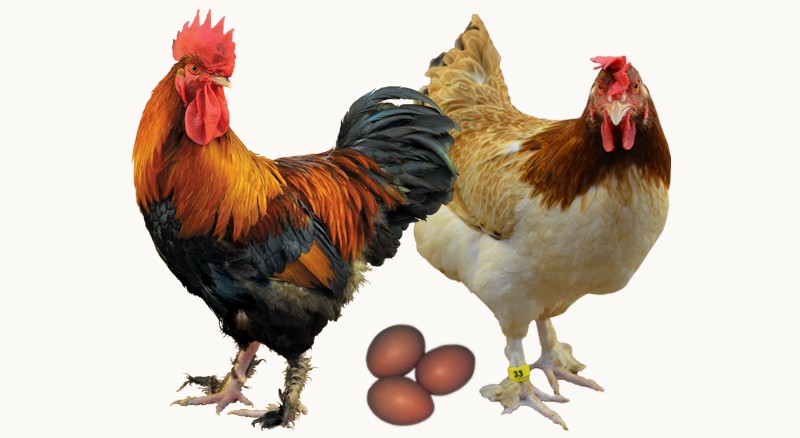
Among the different reasons for raising chickens, egg and meat production are among the most important for homesteads, farms and ranches. Some [poultry breeds](https://www.tractorsupply.com/tsc/cms/life-out-here/the-coop/poultry-breeds) excel at both and display beautiful ornamentation, as is the case with Marans. Helping you start or add to your flock with a range of poultry care essentials, Tractor Supply also provides the necessary information you need to raise Marans.
#### Quick Facts
- __Breed type:__ Dual-purpose
- __Egg color:__ Brown, often darker shades
- __Pen or free-range:__ Both
- __Temperament:__ Mostly calm and friendly, broodiness varies by hen
#### __Black Marans:__
- __Lifespan:__ 5-8 years
- __Weight:__ Females (hens): 6.5-8 lb.; Males (roosters): 8-9.5 lb.
- __Appearance:__ Solid black plumage, often with a green sheen
- __Egg production:__ 150-200 eggs/year
- __Good for beginners:__ Yes
#### __Copper Marans:__
- __Lifespan:__ 5-8 years
- __Weight:__ Females (hens): 6.5-8 lb.; Males (roosters): 8-9.5 lb.
- __Appearance:__ Black base with copper neck and saddle feathers
- __Egg production:__ 150-200 eggs/year
- __Good for beginners:__ Yes
#### __French Wheaten Marans:__
- __Lifespan:__ 5-8 years
- __Weight:__ Females (hens): 6.5-8 lb.; Males (roosters): 8-9.5 lb.
- __Appearance:__ Hens in warm wheat tones; roosters with darker bodies and richer copper-red areas
- __Egg production:__ 150-200 eggs/year
- __Good for beginners:__ Yes
#### __Cuckoo Maran:__
- __Lifespan:__ 5-8 years
- __Weight:__ Females (hens): 6.5-8 lb.; Males (roosters): 8-9.5 lb.
- __Appearance:__ Striking black-and-white barred plumage
- __Egg production:__ 150-200 eggs/year
- __Good for beginners:__ Yes
#### Key Takeaways
- Marans are widely known for dark brown eggs, with the Black Copper variety often highlighted for especially deep color, even though the shade still varies by line.
- Breeder and hatchery names tied to “Marans-type” birds are not APA varieties, especially sex links and hybrids.
### __History of Marans__
Marans chickens originate from the port of Marans in Western France, and although they were officially developed during the early 20th century, their history stems back much further to the 1300s. At this time, French farmers experimented with breeding gamecocks and marsh hens to produce a bird ideal for egg and meat production, creating a breed that laid attractive, chocolate-brown eggs. It’s believed that the Marans we see today represent the crossbreeding of Brahmas, Langshans and possibly Faverolles. While the exact, early breeding records are not precise, many presume they are a combination of several breeds.
As the breed’s popularity grew, formal standards helped define what “Marans” means in different regions. In the U.S., the APA list centers on four varieties, which is why most American breed discussions focus on Black, Black Copper, Wheaten and White. However, American hatcheries and breeders often market additional colors. Hatcheries may offer a wide range of Marans color variations, but the varieties most commonly available include Copper, Cuckoo, Midnight Blue, French Wheaten, Mystic and Midnight Majesty.
In Europe, Marans clubs and national standards may recognize a wider range of colors than APA’s list. The exact set varies by country and club, and it can differ in details, such as leg feathering requirements, so it’s best treated as standard-specific rather than universal.
### __Temperament and Good-to-Knows__
These pretty birds are the full package, with a pleasant personality to match their outward appearance. Marans are friendly and docile and will even allow you to pet them, although they might get nervous if they’re held for too long.
They aren’t very noisy, so they work well in a variety of settings, and they tend to get along with the other chickens in your flock. Although gentle, Marans are usually very alert when predators are nearby. While they won’t get aggressive, they will likely sound a warning.
Marans can handle colder climates and will continue to lay eggs in the winter, but they thrive best in moderate climates. The large combs on these chickens – especially on the roosters – make them more vulnerable to frostbite in areas with cold winters. Even in warm environments, you still want to protect them from the heat with shade and ensure [poultry waterers](https://www.tractorsupply.com/tsc/catalog/poultry-waterers) are regularly refilled with fresh, clean and cool water.
__Expert tip:__ Marans usually stay calm, but handling goes best when it’s brief and predictable. Try short, consistent interactions at the same time of day, so the birds learn your routine.
### __Visual and Egg Characteristics__
A wide array of eye-catching color patterns makes Marans a strong pick when you want to add interest to your flock, not to mention being excellent layers. The plumage of the four APA-recognized options can best be described as:
- __Black:__ These birds are distinguished by their solid glossy black plumage, which features a vibrant green sheen in sunlight.
- __Black Copper:__ They are recognized for their deep black, iridescent plumage with a distinct green sheen and rich copper-colored hackle feathers.
- __Wheaten:__ Females typically exhibit a soft wheaten/cream body with lighter neck hackles and darker tail feathers, while males display brilliant orange-red hackles and saddles with a black breast and tail.
- __White:__ They sport pure, solid white plumage across their entire bodies.
Marans are generally considered medium- to large-sized birds, and many are kept for the deep brown eggs they’re known for. Marans are often described as steady layers that can average 150-200 eggs per year, though total egg production varies by hen and conditions. If dark egg color is the goal, many keepers look beyond the variety name and focus on how the line is selected for shell shade over time.
Although Marans hens don’t usually become broody, you’ll find that once their eggs hatch, they make great mothers. You can help support your hens for a smoother egg-laying experience with [nesting boxes](https://www.tractorsupply.com/tsc/catalog/poultry-nesting-boxes) and [pads](https://www.tractorsupply.com/tsc/catalog/nesting-pads) in the coop for comfort, plus [nesting herbs](https://www.tractorsupply.com/tsc/catalog/nesting-herbs) to promote a calming environment and deter pests.
__Expert tip:__ To maintain the Maran’s signature egg color, feed them a diet high in calcium and natural pigments, such as marigold petals, red bell peppers and crushed oyster shells, especially during molting or winter months when pigment tends to fade.
### __Health and Care of Marans__
When setting up your backyard or farm for raising Marans, be sure to provide ample space. These chickens are active foragers, and they rely on what they find for much of their food. You might wish to raise them free-range, but if that’s not possible, these easy-going birds don’t mind confinement.
<H4>Housing and Supplies </H4>
When organizing the [coop and pen](https://www.tractorsupply.com/tsc/catalog/coops-pens), provide about 4 sq. ft. of space per bird, plus plenty of space to walk around in the run. Poultry supplies that enhance their experience in confinement include:
- [__Brooders and accessories__](https://www.tractorsupply.com/tsc/catalog/brooders-accessories)__:__ Ensure there’s a holding space for recently hatched chicks until they’re ready to be integrated into the rest of the flock.
- [__Swings, perches and toys__](https://www.tractorsupply.com/tsc/catalog/chicken-swings-perches-toys)__:__ Marans like to have fun, too – add interest in their space to stimulate engagement.
- [__Bedding__](https://www.tractorsupply.com/tsc/catalog/poultry-bedding)__:__ Materials, such as poultry shavings, offer comfortable padding for birds.
- [__Containment parts and security__](https://www.tractorsupply.com/tsc/catalog/poultry-containment-parts-security)__:__ They keep a watchful eye out for lurking predators, but they don’t fight them off, so make sure they stay safe.
- [__Feeders__](https://www.tractorsupply.com/tsc/catalog/poultry-feeders)__:__ Birds stay well-fed with several feeders in the coop and pen, depending on the size of your flock.
- [__Odor control__](https://www.tractorsupply.com/tsc/catalog/poultry-odor-control)__:__ These products help to preserve freshness and cleanliness in the coop and pen.
#### Feeding Considerations
Even though Marans love to forage, you will need to supplement their diets with quality [poultry feed](https://www.tractorsupply.com/tsc/catalog/poultry-feed). High-protein poultry feed is best for chicks, and you might consider an option that boosts calcium intake for hens. Chickens should have constant access to fresh, clean water to prevent dehydration, which can hinder egg production.
#### Health and Wellness
Marans chickens aren’t particularly prone to any one disease, but in colder areas, they might develop frostbite on their combs. You can add [coop heaters](https://www.tractorsupply.com/tsc/catalog/coop-heaters) to their living spaces to help prevent such instances. Since some Marans might have feathered legs, pests such as mites can become an issue, so fly and pest control products could be used to curb the spread of disease. Cleaning their legs also helps to support a chicken’s overall health and wellness.
__Expert tip:__ Think of Marans care as protecting two things: feet and feathers. Dry footing keeps leg feathering cleaner and makes pests easier to manage, while steady ventilation helps keep the coop from staying damp in winter.
### __Shop Marans and Other Breeds at Tractor Supply__
Between a friendly personality and beautiful brown eggs, there’s much to love about Marans. If you want to add them to your property, bring your flock plan together with poultry supplies that support comfort, cleanliness and steady routines. Visit [your local Tractor Supply store](https://www.tractorsupply.com/tsc/store-locator) today or browse our selection of live birds and trusted products online.
### __Frequently Asked Questions About Marans__
__Why do some Marans have feathered legs while others don’t?__
Different standards emphasize different traits. Some lines are bred to a feather-legged look, while others are selected for clean legs, so you’ll see variation depending on the breeder’s goals.
__Are Marans better as a single-variety flock or mixed with other breeds?__
Mixed flocks work well for most people. If you want a consistent egg carton color, mix Marans with other brown-egg breeds and let Marans be the dark accents.
__Do Marans need higher protein because they’re heavier birds?__
Not automatically. Use a feed matched to age and purpose, then adjust based on body condition and production.
Get the top deals, latest trends and more
Sign up for emails from Tractor Supply today.
First Name*
First Name*
Last Name*
Last Name*
Email*
Email*
Sign Up
### Customer Support
- [Order Status](https://www.tractorsupply.com/tsc/orders?orderlookuppage)
- [Return Policy](https://www.tractorsupply.com/tsc/customer-solutions#ProductReturns)
- [Delivery Options](https://www.tractorsupply.com/tsc/customer-solutions#DeliveryOptions)
- [Tax Exemptions](https://www.tractorsupply.com/tsc/cms/policies-information/customer-solutions/tax-exemption)
- [Frequently Asked Questions](https://www.tractorsupply.com/tsc/customer-solutions#CustomerFAQ)
- [Contact Us](https://www.tractorsupply.com/tsc/customer-solutions#contact)
- [Recall Notices](https://www.tractorsupply.com/tsc/cms/policies-information/customer-solutions/recall-notices.html)
- Call:
(877) 718-6750
- [](https://www.tractorsupply.com)
Mon - Sat: 7am - 9pm CT
- [](https://www.tractorsupply.com)
Sun: 8am - 7pm CT
- [](https://www.tractorsupply.com)
Closed Christmas Day
### About Us
- [Who We Are](https://corporate.tractorsupply.com/company-overview/company-profile/default.aspx)
- [Investor Relations](https://ir.tractorsupply.com/CorporateProfile)
- [Stewardship](https://corporate.tractorsupply.com/stewardship/overview/default.aspx)
- [Community](https://ir.tractorsupply.com/Peer)
- [Military Support](https://www.tractorsupply.com/tsc/cms/military)
- [Product Catalog](https://www.tractorsupply.com/a/pt/index)
- [Tractor Supply Stores](https://www.tractorsupply.com/tsc/store-locator)
- [.Pharmacy Verified Website](https://tractorsupply.com/tsc/cms/accreditation)
### Work With Us
- [Careers](https://www.tractorsupply.careers/?utm_source=corpsite&utm_campaign=TSC_Shop&cm_sp=footer-_-tsc%20careers)
- [Sponsorship](https://www.tractorsupply.com/tsc/cms/policies-information/about-tsc/sponsorships)
- [Affiliate Program](https://www.tractorsupply.com/tsc/cms/policies-information/affiliate-program)
- [Potential Vendor Partners](https://www.tractorsupply.com/tsc/cms/policies-information/vendor-information/potential-vendor-partners)
- [Vendor Information](https://www.tractorsupply.com/tsc/cms/policies-information/vendor-information/vendor-center)
- [Tractor Supply Media Network](https://www.tractorsupplymedianetwork.com/)
### Neighbor's Club
- [About](https://www.tractorsupply.com/tsc/cms/neighbors-club)
- [Rewards](https://www.tractorsupply.com/AccountDashboardView?catalogId=10051&langId=&storeId=10151&topNav=nCOfferReward%3Fcm_sp%3Dfooter-_-navigation-_-Neighbors%20Club%20Member)
- [Hometown Heroes](https://www.tractorsupply.com/tsc/myaccount/herobenefits)
- [Frequently Asked Questions](https://www.tractorsupply.com/tsc/cms/neighbors-club-faq)
- [Terms & Conditions](https://www.tractorsupply.com/tsc/cms/neighbors-club-terms-and-conditions)
### Credit Center
- [TSC Credit Card](https://www.tractorsupply.com/tsc/cms/credit)
- [Klarna](https://www.tractorsupply.com/tsc/cms/klarna)
### Stay Connected
Connect & Share with the Tractor Supply Community.
- [](https://www.facebook.com/TractorSupplyCo?cm_sp=footer-_-social%20icons-_-facebook)
- [](https://www.pinterest.com/tractorsupplyco?cm_sp=footer-_-social%20icons-_-pinterest)
- [](https://instagram.com/tractorsupply?cm_sp=footer-_-social%20icons-_-instagram)
- [](https://www.youtube.com/user/TSCTractorSupply?cm_sp=footer-_-social%20icons-_-youtube)
- [](https://www.tiktok.com/@tractorsupply?cm_sp=footer-_-social%20icons-_-tiktok)
### Tractor Supply App
Shop on the go with the Tractor Supply App
[Learn More](https://www.tractorsupply.com/tsc/cms/app.html)
[](https://apps.apple.com/us/app/id1502197298)
[](https://play.google.com/store/apps/details?id=com.consumerapp_v1)
### Stay Connected
Connect & Share with the Tractor Supply Community.
- [](https://www.facebook.com/TractorSupplyCo?cm_sp=footer-_-social%20icons-_-facebook)
- [](https://www.pinterest.com/tractorsupplyco?cm_sp=footer-_-social%20icons-_-pinterest)
- [](https://instagram.com/tractorsupply?cm_sp=footer-_-social%20icons-_-instagram)
- [](https://www.youtube.com/user/TSCTractorSupply?cm_sp=footer-_-social%20icons-_-youtube)
- [](https://www.tiktok.com/@tractorsupply?cm_sp=footer-_-social%20icons-_-tiktok)
### Tractor Supply App
Shop on the go with the Tractor Supply App
[Learn More](https://www.tractorsupply.com/tsc/cms/app.html)
[](https://apps.apple.com/us/app/id1502197298)
[](https://play.google.com/store/apps/details?id=com.consumerapp_v1)
### Customer Support
- [Order Status](https://www.tractorsupply.com/tsc/orders?orderlookuppage)
- [Return Policy](https://www.tractorsupply.com/tsc/customer-solutions#ProductReturns)
- [Delivery Options](https://www.tractorsupply.com/tsc/customer-solutions#DeliveryOptions)
- [Tax Exemptions](https://www.tractorsupply.com/tsc/cms/policies-information/customer-solutions/tax-exemption)
- [Frequently Asked Questions](https://www.tractorsupply.com/tsc/customer-solutions#CustomerFAQ)
- [Contact Us](https://www.tractorsupply.com/tsc/customer-solutions#contact)
- [Recall Notices](https://www.tractorsupply.com/tsc/cms/policies-information/customer-solutions/recall-notices.html)
- [Call:](https://www.tractorsupply.com) [(877) 718-6750](tel:%28877%29%20718-6750)
- [](https://www.tractorsupply.com)
Mon - Sat: 7am - 9pm CT
- [](https://www.tractorsupply.com)
Sun: 8am - 7pm CT
- [](https://www.tractorsupply.com)
Closed Christmas Day
### About Us
- [Who We Are](https://corporate.tractorsupply.com/company-overview/company-profile/default.aspx)
- [Investor Relations](https://ir.tractorsupply.com/CorporateProfile)
- [Stewardship](https://corporate.tractorsupply.com/stewardship/overview/default.aspx)
- [Community](https://ir.tractorsupply.com/Peer)
- [Military Support](https://www.tractorsupply.com/tsc/cms/military)
- [Product Catalog](https://www.tractorsupply.com/a/pt/index)
- [Tractor Supply Stores](https://www.tractorsupply.com/tsc/store-locator)
- [.Pharmacy Verified Website](https://tractorsupply.com/tsc/cms/accreditation)
### Work With Us
- [Careers](https://www.tractorsupply.careers/?utm_source=corpsite&utm_campaign=TSC_Shop&cm_sp=footer-_-tsc%20careers)
- [Sponsorship](https://www.tractorsupply.com/tsc/cms/policies-information/about-tsc/sponsorships)
- [Affiliate Program](https://www.tractorsupply.com/tsc/cms/policies-information/affiliate-program)
- [Potential Vendor Partners](https://www.tractorsupply.com/tsc/cms/policies-information/vendor-information/potential-vendor-partners)
- [Vendor Information](https://www.tractorsupply.com/tsc/cms/policies-information/vendor-information/vendor-center)
- [Tractor Supply Media Network](https://www.tractorsupplymedianetwork.com/)
### Neighbor's Club
- [About](https://www.tractorsupply.com/tsc/cms/neighbors-club)
- [Rewards](https://www.tractorsupply.com/AccountDashboardView?catalogId=10051&langId=&storeId=10151&topNav=nCOfferReward%3Fcm_sp%3Dfooter-_-navigation-_-Neighbors%20Club%20Member)
- [Hometown Heroes](https://www.tractorsupply.com/tsc/myaccount/herobenefits)
- [Frequently Asked Questions](https://www.tractorsupply.com/tsc/cms/neighbors-club-faq)
- [Terms & Conditions](https://www.tractorsupply.com/tsc/cms/neighbors-club-terms-and-conditions)
### Credit Center
- [TSC Credit Card](https://www.tractorsupply.com/tsc/cms/credit)
- [Klarna](https://www.tractorsupply.com/tsc/cms/klarna)
### Stay Connected
Connect & Share with the Tractor Supply Community.
- [](https://www.facebook.com/TractorSupplyCo?cm_sp=footer-_-social%20icons-_-facebook)
- [](https://www.pinterest.com/tractorsupplyco?cm_sp=footer-_-social%20icons-_-pinterest)
- [](https://instagram.com/tractorsupply?cm_sp=footer-_-social%20icons-_-instagram)
- [](https://www.youtube.com/user/TSCTractorSupply?cm_sp=footer-_-social%20icons-_-youtube)
- [](https://www.tiktok.com/@tractorsupply?cm_sp=footer-_-social%20icons-_-tiktok)
### Tractor Supply App
Shop on the go with the Tractor Supply App
[Learn More](https://www.tractorsupply.com/tsc/cms/app.html)
- [](https://apps.apple.com/us/app/id1502197298)
- [](https://play.google.com/store/apps/details?id=com.consumerapp_v1)
- [Privacy policy](https://www.tractorsupply.com/tsc/cms/policies-information/customer-solutions/privacy-policy.html)
- [Your Privacy Choices](#)
- [Terms and Conditions](https://www.tractorsupply.com/tsc/cms/policies-information/customer-solutions/terms-and-conditions-of-use.html)
- [California Transparency Act](https://www.tractorsupply.com/tsc/cms/policies-information/about-tsc/california-transparency-act-of-2010.html)
- [Legal Notices](https://www.tractorsupply.com/tsc/cms/policies-information/customer-solutions/legal-notices.html)
- [Accessibility](https://www.tractorsupply.com/tsc/cms/accessibility.html)
- [Responsible Disclosure Statement](https://www.tractorsupply.com/tsc/cms/policies-information/customer-solutions/responsible-disclosure-statement.html)
- [Surprise (Balance) Medical Billing Disclosure](https://www.tractorsupply.com/tsc/cms/surprise-billing)
- [Transparency in Coverage](https://transparency-in-coverage.uhc.com/?cm_sp=footer-_-navigation-_-transparency%20coverage)
- [Human Rights Policy](https://www.tractorsupply.com/tsc/cms/human-rights-policy)
- [Vendor Code of Conduct](https://www.tractorsupply.com/tsc/cms/vendor-code-of-conduct)
- [California Notice of Collection](https://www.tractorsupply.com/tsc/cms/policies-information/customer-solutions/privacy-policy#_Toc189006423)
- [Privacy Requests](https://privacyportal.tractorsupply.com/)
© 2026, Tractor Supply Co. All Rights Reserved.
ScoutAI
BETA
* * *
Hi there, I’m your AI assistant—here to guide you through our products and answer any questions along the way. How can I help you?
Can you suggest some good lawn mowers ?
What’s the best safe for keeping my firearms secure at home?
What can i feed my puppy ?
* * *
TSC AI is for informational use only. Don’t share sensitive info like SSN or payment details.