[Christmas](https://www.tractorsupply.com/tsc/catalog/christmas)[Halloween](https://www.tractorsupply.com/tsc/catalog/halloween)[Pet](https://www.tractorsupply.com/tsc/category/pet)[Lawn & Garden](https://www.tractorsupply.com/tsc/category/lawn-garden)[Truck & Automotive](https://www.tractorsupply.com/tsc/catalog/truck-automotive)[Sporting Goods](https://www.tractorsupply.com/tsc/category/sporting-goods)[Horse](https://www.tractorsupply.com/tsc/category/horse)[Farm & Ranch](https://www.tractorsupply.com/tsc/category/farm-ranch)[Clothing](https://www.tractorsupply.com/tsc/category/clothing)[Livestock](https://www.tractorsupply.com/tsc/catalog/livestock)[Pet & Animal Pharmacy](https://www.tractorsupply.com/tsc/category/pet-animal-pharmacy)[Tools](https://www.tractorsupply.com/tsc/category/tools)[Poultry](https://www.tractorsupply.com/tsc/category/poultry)[Fencing & Gates](https://www.tractorsupply.com/tsc/category/fencing-gates)[Home Improvement](https://www.tractorsupply.com/tsc/category/home-improvement)[Outdoor Living](https://www.tractorsupply.com/tsc/category/outdoor-living)[Heating & Cooling](https://www.tractorsupply.com/tsc/category/heating-cooling)[Home Decor & Furniture](https://www.tractorsupply.com/tsc/category/home-decor-furniture)[Outdoor Power Equipment](https://www.tractorsupply.com/tsc/category/outdoor-power-equipment)[Trailers & Towing](https://www.tractorsupply.com/tsc/category/trailers-towing)[Boots & Shoes](https://www.tractorsupply.com/tsc/category/boots-shoes)[Wild Birds & Wildlife](https://www.tractorsupply.com/tsc/category/wild-birds-wildlife)[Toys](https://www.tractorsupply.com/tsc/category/toys)[Gift Cards](https://www.tractorsupply.com/tsc/catalog/gift-cards-3074457345616710669-1)[Services](https://www.tractorsupply.com/tsc/services) [Propane Refill](https://www.tractorsupply.com/tsc/services/propane-refill-Franklin-TN-37069-2314)[Trailer Rental](https://www.tractorsupply.com/tsc/services/trailer-rental)[Garden Center](https://www.tractorsupply.com/tsc/services/garden-center-Franklin-TN-37069-2314)[Feed Center](https://www.tractorsupply.com/tsc/services/feed-center-Franklin-TN-37069-2314)[Same Day Delivery](https://www.tractorsupply.com/tsc/services/same-day-delivery)[PetVet Clinic](https://www.tractorsupply.com/tsc/services/petvet)[Pet Wash](https://www.tractorsupply.com/tsc/services/pet-wash)[Grooming at Petsense](https://www.tractorsupply.com/tsc/services/grooming-at-petsense)[Dog Training at Petsense](https://www.petsense.com/pages/training)[Tractor Supply Rx](https://www.tractorsupply.com/tsc/category/pet-animal-pharmacy)[Pet Insurance](https://quote.petted.com/quote/ref=tractor?cm_sp=Navi-_-Pet%20L1-_-Insurance)[Wag!](https://wagwalking.com/partners/tractor-supply?isIntSrch=written)
"Savings and Offers"
[Weekly Ad](https://www.tractorsupply.com/tsc/cms/digital-flyer)[Sale](https://www.tractorsupply.com/tsc/sale)[Clearance](https://www.tractorsupply.com/tsc/clearance)
"More Options"
[Weekly Ad](https://www.tractorsupply.com/tsc/cms/digital-flyer)[What's New](https://www.tractorsupply.com/tsc/whatsnew)[Tractor Supply App](https://www.tractorsupply.com/tsc/cms/app)[Earn Rewards with Neighbor's Club](https://www.tractorsupply.com/tsc/cms/neighbors-club)[Hometown Heroes](https://www.tractorsupply.com/tsc/myaccount/herobenefits)[Life Out Here Blog](https://www.tractorsupply.com/tsc/cms/life-out-here)[TSC Exclusive Brands](https://www.tractorsupply.com/tsc/cms/exclusive-brands)[Top Brands](https://www.tractorsupply.com/tsc/brands)[Clearance Items](https://www.tractorsupply.com/tsc/clearance)[Battery Finder](https://tractorsupply.interstatebatteries.com/?cm_sp=Header-_-Shop-_-Battery_Finder)[Outdoor Power Equipment Parts Finder](http://www.ordertree.com/tsc/?cm_sp=Header-_-Shop-_-Parts_Finder)[Hitch Finder](https://www.reesetowpower.com/tractor-supply/?cm_sp=Header-_-Shop-_-Hitch_Finder)
Spend $49.99 to unlock Free Delivery on most orders
|
[Learn More](https://www.tractorsupply.com)
[Order status](https://www.tractorsupply.com/tsc/orders?orderlookuppage)[TSC Credit Cards](https://www.tractorsupply.com/tsc/cms/credit)[What’s new](https://www.tractorsupply.com/tsc/whatsnew)[Petsense](https://www.petsense.com/)[Weekly Ad](https://www.tractorsupply.com/tsc/cms/digital-flyer)
[](https://www.tractorsupply.com)
[](https://www.tractorsupply.com/)
Grassland (Franklin) TN
GRASSLAND (FRANKLIN) TN #2314
[2176 Hillsboro RD STE 122
Franklin, TN 37069](https://www.google.com/maps/search/?api=1&query=Tractor%20Supply%20Co.%201650%20Denmark%20RD%2CUnion%2CMO%2063084)
Open at 8:00 am
615-595-5700
Store Hours:
[Details](https://www.tractorsupply.com/tsc/store_Franklin-TN-37069_2314)
Grassland (Franklin) TN
Open till 9 pm
Deliver to
37027
Ask ScoutAI
Sign In / EnrollGet rewarded!
Sign In / EnrollGet rewarded!
[](https://www.tractorsupply.com/tsc/cart)
Ask ScoutAI
[Christmas](https://www.tractorsupply.com/tsc/catalog/christmas)
[Halloween](https://www.tractorsupply.com/tsc/catalog/halloween)
[Pet](https://www.tractorsupply.com/tsc/category/pet)
[Lawn & Garden](https://www.tractorsupply.com/tsc/category/lawn-garden)
[Truck & Automotive](https://www.tractorsupply.com/tsc/category/truck-automotive)
[Sporting Goods](https://www.tractorsupply.com/tsc/category/sporting-goods)
[Horse](https://www.tractorsupply.com/tsc/category/horse)
[Farm & Ranch](https://www.tractorsupply.com/tsc/category/farm-ranch)
[Clothing](https://www.tractorsupply.com/tsc/category/clothing)
[Livestock](https://www.tractorsupply.com/tsc/category/livestock)
[Pet & Animal Pharmacy](https://www.tractorsupply.com/tsc/category/pet-animal-pharmacy)
[Tools](https://www.tractorsupply.com/tsc/category/tools)
[Poultry](https://www.tractorsupply.com/tsc/category/poultry)
[Fencing & Gates](https://www.tractorsupply.com/tsc/category/fencing-gates)
[Home Improvement](https://www.tractorsupply.com/tsc/category/home-improvement)
[Outdoor Living](https://www.tractorsupply.com/tsc/category/outdoor-living)
[Heating & Cooling](https://www.tractorsupply.com/tsc/category/heating-cooling)
* * *
[Menu](https://www.tractorsupply.com)
Search
[Home](https://www.tractorsupply.com/)
Sign In
[Cart](https://www.tractorsupply.com/tsc/cart)
[__Deals to start the season off right -__ Shop now>](https://www.tractorsupply.com/tsc/cms/digital-flyer)
[](https://www.tractorsupply.com/tsc/cms/life-out-here)
* * *
CATEGORIES
Pets
- [Dogs](https://www.tractorsupply.com/tsc/cms/life-out-here/pet/dogs)
- [Cats](https://www.tractorsupply.com/tsc/cms/life-out-here/pet/cats)
- [All](https://www.tractorsupply.com/tsc/cms/life-out-here/pet)
The Barn
- [Horse](https://www.tractorsupply.com/tsc/cms/life-out-here/the-barn/horse)
- [Livestock](https://www.tractorsupply.com/tsc/cms/life-out-here/the-barn/livestock)
- [Goats & Sheep](https://www.tractorsupply.com/tsc/cms/life-out-here/the-barn/goats-and-sheep)
- [Pigs](https://www.tractorsupply.com/tsc/cms/life-out-here/the-barn/pigs)
- [All](https://www.tractorsupply.com/tsc/cms/life-out-here/the-barn)
The Coop
- [Start Your Flock](https://www.tractorsupply.com/tsc/cms/life-out-here/the-coop/start-your-flock)
- [Poultry Breeds](https://www.tractorsupply.com/tsc/cms/life-out-here/the-coop/poultry-breeds)
- [Coop Tips](https://www.tractorsupply.com/tsc/cms/life-out-here/the-coop/coop-tips)
- [Chick Care](https://www.tractorsupply.com/tsc/cms/life-out-here/the-coop/chick-care)
- [All](https://www.tractorsupply.com/tsc/cms/life-out-here/the-coop)
Garden
- [Gardening Tips](https://www.tractorsupply.com/tsc/cms/life-out-here/garden/gardening-tips)
- [Growing Guides](https://www.tractorsupply.com/tsc/cms/life-out-here/garden/growing-guides)
Home & Land
- [Fresh Recipes](https://www.tractorsupply.com/tsc/cms/life-out-here/garden-home-land/fresh-recipes)
- [Heating & Cooling](https://www.tractorsupply.com/tsc/cms/life-out-here/garden-home-land/heating-and-cooling)
- [Bees](https://www.tractorsupply.com/tsc/cms/life-out-here/garden-home-land/bees)
- [Lawn](https://www.tractorsupply.com/tsc/cms/life-out-here/garden-home-land/lawn)
- [Fencing](https://www.tractorsupply.com/tsc/cms/life-out-here/garden-home-land/fencing)
- [All](https://www.tractorsupply.com/tsc/cms/life-out-here/garden-home-land)
Tool Shop
- [The Garage](https://www.tractorsupply.com/tsc/cms/life-out-here/tool-shop/the-garage)
- [Tool Tips](https://www.tractorsupply.com/tsc/cms/life-out-here/tool-shop/tool-tips)
- [Stock Your Shop](https://www.tractorsupply.com/tsc/cms/life-out-here/tool-shop/stock-your-shop)
- [All](https://www.tractorsupply.com/tsc/cms/life-out-here/tool-shop)
Outdoor Life
- [Birding](https://www.tractorsupply.com/tsc/cms/life-out-here/outdoor-life/birding)
- [Recreation](https://www.tractorsupply.com/tsc/cms/life-out-here/outdoor-life/recreation)
- [Hunting](https://www.tractorsupply.com/tsc/cms/life-out-here/outdoor-life/hunting)
- [All](https://www.tractorsupply.com/tsc/cms/life-out-here/outdoor-life)
1. [Home](https://www.tractorsupply.com/tsc/cms/life-out-here)
2. [Outdoor Life](https://www.tractorsupply.com/tsc/cms/life-out-here/outdoor-life)
3. [Hunting](https://www.tractorsupply.com/tsc/cms/life-out-here/outdoor-life/hunting)
4. How to Field Dress a Deer: Step-By-Step Guide for New and Seasoned Hunters
# How to Field Dress a Deer: Step-By-Step Guide for New and Seasoned Hunters
Dec 2, 2025
[Josh Honeycutt with Field & Stream](https://www.tractorsupply.com)
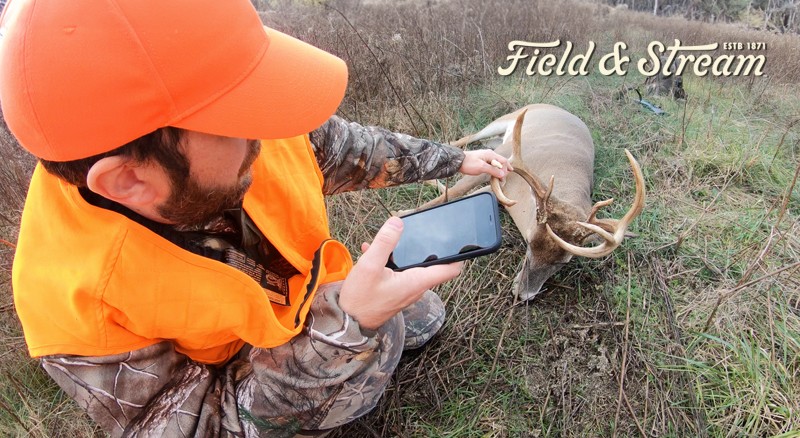
Grease bubbles pop and crackle on the stovetop skillet. Nearly cooked tenderloin wafts around, smelling like the culmination of a successful deer season. Of course, that first taste of venison makes all of the long hours’, days’, and weeks’ worth the pain and sacrifice of stand time, effort sweat, and money spent.
The enjoyment of eating an earned whitetail buck never comes if you don’t know how to field dress a deer, though. Here’s a step-by-step guide for new and seasoned hunters alike. Follow the proper steps to take when field dressing your blacktail, whitetail, or mule deer.
### __Step 1: Tag and Check in Your Deer__
The first step in field-dressing a deer isn’t processing at all. Rather, it’s tagging and checking in the deer according to state and local regulations. Complete this step before moving the deer carcass and breaking down the deer meat.
Check your state, region, and local regulations to determine the exact process to follow. Some states require a physical tag to be applied to the deer, and others don’t. Some stipulate where the physical tag must be applied on the deer, and at which point it may be removed.
### __Step 2: Make Key Decisions__
There are several decisions to make before field dressing begins. First, will you be taking the deer to a taxidermist for a shoulder mount? If so, you’ll stop the primary gut line cut around the middle of the torso, rather than carrying it up and over the breastbone.
Additionally, decide if you’ll use the gutless, or traditional field dressing, manner. The former allows you to skin, cape, quarter, debone, and package the meat without removing the entrails. Ultimately, you remove all deer parts, and the un-gutted torso remains. (You can even pull out the tenderloins without removing the entrails.)
The gutless method has its benefits. First, it shaves off about 15-20 minutes of time. Second, it reduces potential messiness. Plus, if you plan to completely break down the deer meat immediately, it doesn’t serve much benefit to remove the entrails, anyway. In fact, you’re better off not doing so because this reduces the odds of puncturing guts and contaminants contacting meat.
Of course, as noted, the gutless method is only viable for those who completely process, or at least skin and quarter, the deer right on the spot. You cannot leave the entrails within the deer and use the gutless method at a later time. This leads to a continuation, even buildup, of heat, resulting in meat spoilage.
For those who choose the traditional method of field-dressing, read on for the complete steps to do so.
### __Step 3: Prep Your Processing Tools__
Prep your deer processing tools. Sharpen [knives](https://www.tractorsupply.com/knives "https://www.tractorsupply.com/tsc/search/knife/tools"), as it will make the field dressing, skinning, and meat process tasks much easier and faster. Additionally, you’re more likely to hurt yourself with a dull blade.

A simple knife can take this process a long way. That said, a full slate of gear makes it much simpler. A skinning knife with a 3- to 4-inch blade is ideal for most situations. That said, some prefer a smaller 2- to 2 ½-inch blade. A small saw assists with cutting through larger bone, such as the sternum, legs, spine, etc.
Additionally, a [water hose](https://www.tractorsupply.com/tsc/search/water%20hose) for cleanup is quite handy. If not that, have a jug of water and [soap](https://www.tractorsupply.com/tsc/product/goop-hand-cleaner-stain-remover-2459589) on hand to clean up. Wear [gloves](https://www.tractorsupply.com/tsc/catalog/gloves) throughout the entire process.
### __Step 4: Stage the Deer Carcass__
The next step in the process is staging the deer carcass. Choose from a variety of options. Some hoist the deer (head up) into the air with a pulley. Positioning it at eye level makes processing easier. Furthermore, gravity assists with the process of entrails removal.

Those without a pulley can still use gravity to their advantage. Pull the deer into an upright position and place its back against a tree trunk with rump on the ground. Use a rope to tie the deer into an upright sitting position.
Another option is laying the deer flat on the ground. Start with the deer’s spine against the ground. Or lay it down and over on its side.
Use logs, stumps, and other nearby objects to hold the deer in place. You might also use your feet, knees, and legs to stabilize the deer. When possible, position it with the head pointing uphill to allow gravity to assist with drainage.
### __Step 5: Make the Initial Cuts__
Start by making the right cuts. Begin with cutting around the anus and genitals. (Some states require proof of sex to remain attached to the deer.) Then, make a cut up the belly all the way to the sternum. There is a layer of hide, and a thin layer of membrane, to cut through. Cut with caution so as not to puncture the entrails, including the paunch and intestinal tracts.
Oftentimes, it’s best to place two fingers just underneath the initial cut. Operating safely, use these two fingers to create space between your blade edge and the entrails. Keep working up the belly centerline until you complete the long, primary field dressing cut.
### __Step 6: Sever the Diaphragm__
The diaphragm separates the chest cavity from the abdominal region. In other words, it’s a barrier between the heart and lungs and intestinal tracts. The intestines and liver will exit the gut line cut without severing the diaphragm. However, slice down the diaphragm along each side of the ribcage to allow the heart, lungs, esophagus, and windpipe to exit follow suit.

You’ll also need to reach up into the cavity to sever the esophagus and windpipe at the base of the neck. Furthermore, you might have to cut through connective tissues for the heart to break it loose, too.
### __Step 7: Trim Away Remaining Connective Tissues and Pull Out All the Guts__
You’ll likely need to trim away some remaining connective tissues. Sometimes, entrails remain connected in the body cavity, especially along the spine, diaphragm connections, etc.
Once remaining tissues are trimmed, pull out all of the entrails. If cutting the sides of the diaphragm before pulling the intestines, you can pull all of them at once. If not, you can complete this step in two phases. First, pull everything below the diaphragm (intestines, stomach, and liver). Then, once the diaphragm is severed, pull everything above it (heart, lungs, esophagus, and windpipe).
### __Step 8: Clean the Inside of the Body Cavity__
Ensure all organ material is removed from the body cavity. Trim away any straggling connective tissues. Using a clean paper towel or sanitized cloth, wipe away excess blood, blood clots, and other fluids.

Do not spray down the interior with water unless contaminants contact the inside of the cavity. Examples include feces, urine, digestive material, hair, dirt, leaves, and other foreign material. If needed, use a water hose or jug of water to rinse contaminants from the deer.
### __Step 9: Cool the Body Cavity__
The guts are out. The inside of the body cavity is clean. Now, cool the deer carcass. Use a clean, dedicated rod or pole to spread open the rib cage. If below freezing, this alone will allow the carcass to cool. If above freezing, and especially above 40 degrees Fahrenheit, insert bags of ice into the chest cavity. Furthermore, trim away the hide along the insides of each back leg. Then, place a bag of ice between the thighs to cool these as well.
### __Step 10: Hang the Deer (If Applicable)__
Some people hang their deer up for a span of time. It might be until the next day when they break down the meat. It could be days later after allowing the meat to age. If implementing either option, ensure that it’s plenty cold enough to do so, and that temperatures won’t rise too high at any point during the hanging period. Keep the carcass in a shaded area, such as a barn or shed, to keep it properly cooled and out of direct sunlight.
### __Step 11: Transport the Carcass (Follow All Applicable Deer Carcass Transportation Laws)__
For those not hanging the deer for an extended period of time, it’s time to transport the carcass. Ensure the deer is properly tagged. If the carcass is still intact, ensure the tag is still attached per the state and local hunting regulations. If the deer meat is already broken down, place the deer tag and/or confirmation number with the antlers, hide, and meat. Use game bags or approved wrapping to contain, secure, and protect the meat.
Of course, with the proliferation of chronic wasting disease (CWD), states are increasingly establishing transportation laws to minimize the risk of avoidable CWD spread. Oftentimes, these vary from state to state. Usually, these are relatively consistent and follow common-sense protocols to limit potential exposure of CWD to new areas.
Examples of common transportation laws:
- Not transporting high risk parts (i.e.: brain matter, spine, other central nervous tissues, eyes, spleen, etc.) outside of CWD zones or across state lines.
- For deer to be shoulder-mounted, and transported outside CWD zones or across state lines, it demands completely caping the buck off the skull, skull-capping it, and cleaning all un-approved materials.
- Quartering or de-boning meat and packaging it neatly.
- Submitting CWD samples as required.
- And much more.
### __Step 12: Process Your Deer__
Processing your harvested deer is a lot of work. It takes time and effort to complete this stage of the process. That said, it’s the final phase of the hunt. You’re almost there. Get that hard-earned venison cleaned and packaged. Do it right, and you’ll be eating fine dining for weeks and months to come.
## Recommended Products
01. Top Rated
[
\
4.8 out of 5 stars with 5006 reviews
\
__4.8__ (5006)
\
____Harvest Right__ 5-Tray Medium Black Freeze Dryer with Premier Pump & Mylar Starter Kit__
\
__$2,395.00__](https://www.tractorsupply.com/tsc/product/harvest-right-5-tray-medium-black-freeze-dryer-with-premier-pump-mylar-starter-kit "Harvest Right 5-Tray Medium Black Freeze Dryer with Premier Pump & Mylar Starter Kit")
Add to Cart
02. [
\
4.4 out of 5 stars with 14 reviews
\
__4.4__ (14)
\
____Field & Stream__ Men's Long-Sleeve Deer T-Shirt__
\
__$10.99-$17.99__
\
__Was $29.99Save up to $19.00__](https://www.tractorsupply.com/tsc/product/field-stream-mens-long-sleeve-graphic-t-shirt "Field & Stream Men's Long-Sleeve Deer T-Shirt")
[Choose Options](https://www.tractorsupply.com/tsc/product/field-stream-mens-long-sleeve-graphic-t-shirt "Field & Stream Men's Long-Sleeve Deer T-Shirt")
03. [
\
3.3 out of 5 stars with 18 reviews
\
__3.3__ (18)
\
____Field & Stream__ 48 MP Trail Cameras, 2 pk.__
\
__$99.99__
\
__Was $109.99Save $10.00__](https://www.tractorsupply.com/tsc/product/field-stream-48-mp-trail-cameras-2-pack "Field & Stream 48 MP Trail Cameras, 2 pk.")
Add to Cart
04. [
\
4.3 out of 5 stars with 19 reviews
\
__4.3__ (19)
\
____Grease Monkey__ Unisex Adult Disposable Nitrile Work Gloves, Black, 10-Pack__
\
__$2.99__](https://www.tractorsupply.com/tsc/product/grease-monkey-disposable-gloves-black-nitrile-pack-of-10 "Grease Monkey Unisex Adult Disposable Nitrile Work Gloves, Black, 10-Pack")
Add to Cart
05. Top Rated
[
\
4.8 out of 5 stars with 41 reviews
\
__4.8__ (41)
\
____Field & Stream__ 28 qt. High-Performance Hard-Sided Cooler__
\
__$99.99__](https://www.tractorsupply.com/tsc/product/field-stream-28-qt-high-performance-hard-sided-cooler "Field & Stream 28 qt. High-Performance Hard-Sided Cooler")
Add to Cart
06. [
\
3.3 out of 5 stars with 18 reviews
\
__3.3__ (18)
\
____Field & Stream__ 48 MP Trail Cameras, 2 pk.__](https://www.tractorsupply.com/tsc/product/field-stream-48-mp-trail-cameras-2-pack "Field & Stream 48 MP Trail Cameras, 2 pk.")
Add to Cart
07. Top Rated
[
\
4.8 out of 5 stars with 5006 reviews
\
__4.8__ (5006)
\
____Harvest Right__ 5-Tray Medium Black Freeze Dryer with Premier Pump & Mylar Starter Kit__](https://www.tractorsupply.com/tsc/product/harvest-right-5-tray-medium-black-freeze-dryer-with-premier-pump-mylar-starter-kit "Harvest Right 5-Tray Medium Black Freeze Dryer with Premier Pump & Mylar Starter Kit")
Add to Cart
08. [
\
4.3 out of 5 stars with 19 reviews
\
__4.3__ (19)
\
____Grease Monkey__ Unisex Adult Disposable Nitrile Work Gloves, Black, 10-Pack__](https://www.tractorsupply.com/tsc/product/grease-monkey-disposable-gloves-black-nitrile-pack-of-10 "Grease Monkey Unisex Adult Disposable Nitrile Work Gloves, Black, 10-Pack")
[Choose Options](https://www.tractorsupply.com/tsc/product/grease-monkey-disposable-gloves-black-nitrile-pack-of-10 "Grease Monkey Unisex Adult Disposable Nitrile Work Gloves, Black, 10-Pack")
09. [
\
4.6 out of 5 stars with 43 reviews
\
__4.6__ (43)
\
____Harvest Right__ 7-Tray X-Large Stainless Steel Freeze Dryer with XL Premier Pump & Mylar Starter Kit__
\
__$4,995.00__](https://www.tractorsupply.com/tsc/product/harvest-right-7-tray-x-large-stainless-steel-freeze-dryer-with-xl-premier-pump-mylar-starter-kit "Harvest Right 7-Tray X-Large Stainless Steel Freeze Dryer with XL Premier Pump & Mylar Starter Kit")
Add to Cart
10. [
\
4.0 out of 5 stars with 2 reviews
\
__4.0__ (2)
\
____BNB Knives__ 3.5 in. Mamba Hunter Knife__
\
__$99.99__](https://www.tractorsupply.com/tsc/product/bnb-knives-mamba-hunter-bnb16651 "BNB Knives 3.5 in. Mamba Hunter Knife")
Add to Cart
11. [
\
4.4 out of 5 stars with 14 reviews
\
__4.4__ (14)
\
____Field & Stream__ Men's Long-Sleeve Deer T-Shirt__](https://www.tractorsupply.com/tsc/product/field-stream-mens-long-sleeve-graphic-t-shirt "Field & Stream Men's Long-Sleeve Deer T-Shirt")
[Choose Options](https://www.tractorsupply.com/tsc/product/field-stream-mens-long-sleeve-graphic-t-shirt "Field & Stream Men's Long-Sleeve Deer T-Shirt")
12. [
\
0.0 out of 5 stars with 0 reviews
\
__0.0__ (0)
\
____Field & Stream__ Pakkawood Handle Folding Knives, 3 pk.__
\
__$29.99__](https://www.tractorsupply.com/tsc/product/field-stream-pakkawood-handle-folding-knives-3-pack "Field & Stream Pakkawood Handle Folding Knives, 3 pk.")
Add to Cart
Get the top deals, latest trends and more
Sign up for emails from Tractor Supply today.
First Name*
First Name*
Last Name*
Last Name*
Email*
Email*
Sign Up
### Customer Support
- [Order Status](https://www.tractorsupply.com/tsc/orders?orderlookuppage)
- [Return Policy](https://www.tractorsupply.com/tsc/customer-solutions#ProductReturns)
- [Delivery Options](https://www.tractorsupply.com/tsc/customer-solutions#DeliveryOptions)
- [Tax Exemptions](https://www.tractorsupply.com/tsc/cms/policies-information/customer-solutions/tax-exemption)
- [Frequently Asked Questions](https://www.tractorsupply.com/tsc/customer-solutions#CustomerFAQ)
- [Contact Us](https://www.tractorsupply.com/tsc/customer-solutions#contact)
- [Recall Notices](https://www.tractorsupply.com/tsc/cms/policies-information/customer-solutions/recall-notices.html)
- Call:
(877) 718-6750
- [](https://www.tractorsupply.com)
Mon - Sat: 7am - 9pm CT
- [](https://www.tractorsupply.com)
Sun: 8am - 7pm CT
- [](https://www.tractorsupply.com)
Closed Christmas Day
### About Us
- [Who We Are](https://corporate.tractorsupply.com/company-overview/company-profile/default.aspx)
- [Investor Relations](https://ir.tractorsupply.com/CorporateProfile)
- [Stewardship](https://corporate.tractorsupply.com/stewardship/overview/default.aspx)
- [Community](https://ir.tractorsupply.com/Peer)
- [Military Support](https://www.tractorsupply.com/tsc/cms/military)
- [Product Catalog](https://www.tractorsupply.com/a/pt/index)
- [Tractor Supply Stores](https://www.tractorsupply.com/tsc/store-locator)
- [.Pharmacy Verified Website](https://tractorsupply.com/tsc/cms/accreditation)
### Work With Us
- [Careers](https://www.tractorsupply.careers/?utm_source=corpsite&utm_campaign=TSC_Shop&cm_sp=footer-_-tsc%20careers)
- [Sponsorship](https://www.tractorsupply.com/tsc/cms/policies-information/about-tsc/sponsorships)
- [Affiliate Program](https://www.tractorsupply.com/tsc/cms/policies-information/affiliate-program)
- [Potential Vendor Partners](https://www.tractorsupply.com/tsc/cms/policies-information/vendor-information/potential-vendor-partners)
- [Vendor Information](https://www.tractorsupply.com/tsc/cms/policies-information/vendor-information/vendor-center)
- [Tractor Supply Media Network](https://www.tractorsupplymedianetwork.com/)
### Neighbor's Club
- [About](https://www.tractorsupply.com/tsc/cms/neighbors-club)
- [Rewards](https://www.tractorsupply.com/AccountDashboardView?catalogId=10051&langId=&storeId=10151&topNav=nCOfferReward%3Fcm_sp%3Dfooter-_-navigation-_-Neighbors%20Club%20Member)
- [Hometown Heroes](https://www.tractorsupply.com/tsc/myaccount/herobenefits)
- [Frequently Asked Questions](https://www.tractorsupply.com/tsc/cms/neighbors-club-faq)
- [Terms & Conditions](https://www.tractorsupply.com/tsc/cms/neighbors-club-terms-and-conditions)
### Credit Center
- [TSC Credit Card](https://www.tractorsupply.com/tsc/cms/credit)
- [Klarna](https://www.tractorsupply.com/tsc/cms/klarna)
### Stay Connected
Connect & Share with the Tractor Supply Community.
- [](https://www.facebook.com/TractorSupplyCo?cm_sp=footer-_-social%20icons-_-facebook)
- [](https://www.pinterest.com/tractorsupplyco?cm_sp=footer-_-social%20icons-_-pinterest)
- [](https://instagram.com/tractorsupply?cm_sp=footer-_-social%20icons-_-instagram)
- [](https://www.youtube.com/user/TSCTractorSupply?cm_sp=footer-_-social%20icons-_-youtube)
- [](https://www.tiktok.com/@tractorsupply?cm_sp=footer-_-social%20icons-_-tiktok)
### Tractor Supply App
Shop on the go with the Tractor Supply App
[Learn More](https://www.tractorsupply.com/tsc/cms/app.html)
[](https://apps.apple.com/us/app/id1502197298)
[](https://play.google.com/store/apps/details?id=com.consumerapp_v1)
### Stay Connected
Connect & Share with the Tractor Supply Community.
- [](https://www.facebook.com/TractorSupplyCo?cm_sp=footer-_-social%20icons-_-facebook)
- [](https://www.pinterest.com/tractorsupplyco?cm_sp=footer-_-social%20icons-_-pinterest)
- [](https://instagram.com/tractorsupply?cm_sp=footer-_-social%20icons-_-instagram)
- [](https://www.youtube.com/user/TSCTractorSupply?cm_sp=footer-_-social%20icons-_-youtube)
- [](https://www.tiktok.com/@tractorsupply?cm_sp=footer-_-social%20icons-_-tiktok)
### Tractor Supply App
Shop on the go with the Tractor Supply App
[Learn More](https://www.tractorsupply.com/tsc/cms/app.html)
[](https://apps.apple.com/us/app/id1502197298)
[](https://play.google.com/store/apps/details?id=com.consumerapp_v1)
### Customer Support
- [Order Status](https://www.tractorsupply.com/tsc/orders?orderlookuppage)
- [Return Policy](https://www.tractorsupply.com/tsc/customer-solutions#ProductReturns)
- [Delivery Options](https://www.tractorsupply.com/tsc/customer-solutions#DeliveryOptions)
- [Tax Exemptions](https://www.tractorsupply.com/tsc/cms/policies-information/customer-solutions/tax-exemption)
- [Frequently Asked Questions](https://www.tractorsupply.com/tsc/customer-solutions#CustomerFAQ)
- [Contact Us](https://www.tractorsupply.com/tsc/customer-solutions#contact)
- [Recall Notices](https://www.tractorsupply.com/tsc/cms/policies-information/customer-solutions/recall-notices.html)
- [Call:](https://www.tractorsupply.com) [(877) 718-6750](tel:%28877%29%20718-6750)
- [](https://www.tractorsupply.com)
Mon - Sat: 7am - 9pm CT
- [](https://www.tractorsupply.com)
Sun: 8am - 7pm CT
- [](https://www.tractorsupply.com)
Closed Christmas Day
### About Us
- [Who We Are](https://corporate.tractorsupply.com/company-overview/company-profile/default.aspx)
- [Investor Relations](https://ir.tractorsupply.com/CorporateProfile)
- [Stewardship](https://corporate.tractorsupply.com/stewardship/overview/default.aspx)
- [Community](https://ir.tractorsupply.com/Peer)
- [Military Support](https://www.tractorsupply.com/tsc/cms/military)
- [Product Catalog](https://www.tractorsupply.com/a/pt/index)
- [Tractor Supply Stores](https://www.tractorsupply.com/tsc/store-locator)
- [.Pharmacy Verified Website](https://tractorsupply.com/tsc/cms/accreditation)
### Work With Us
- [Careers](https://www.tractorsupply.careers/?utm_source=corpsite&utm_campaign=TSC_Shop&cm_sp=footer-_-tsc%20careers)
- [Sponsorship](https://www.tractorsupply.com/tsc/cms/policies-information/about-tsc/sponsorships)
- [Affiliate Program](https://www.tractorsupply.com/tsc/cms/policies-information/affiliate-program)
- [Potential Vendor Partners](https://www.tractorsupply.com/tsc/cms/policies-information/vendor-information/potential-vendor-partners)
- [Vendor Information](https://www.tractorsupply.com/tsc/cms/policies-information/vendor-information/vendor-center)
- [Tractor Supply Media Network](https://www.tractorsupplymedianetwork.com/)
### Neighbor's Club
- [About](https://www.tractorsupply.com/tsc/cms/neighbors-club)
- [Rewards](https://www.tractorsupply.com/AccountDashboardView?catalogId=10051&langId=&storeId=10151&topNav=nCOfferReward%3Fcm_sp%3Dfooter-_-navigation-_-Neighbors%20Club%20Member)
- [Hometown Heroes](https://www.tractorsupply.com/tsc/myaccount/herobenefits)
- [Frequently Asked Questions](https://www.tractorsupply.com/tsc/cms/neighbors-club-faq)
- [Terms & Conditions](https://www.tractorsupply.com/tsc/cms/neighbors-club-terms-and-conditions)
### Credit Center
- [TSC Credit Card](https://www.tractorsupply.com/tsc/cms/credit)
- [Klarna](https://www.tractorsupply.com/tsc/cms/klarna)
### Stay Connected
Connect & Share with the Tractor Supply Community.
- [](https://www.facebook.com/TractorSupplyCo?cm_sp=footer-_-social%20icons-_-facebook)
- [](https://www.pinterest.com/tractorsupplyco?cm_sp=footer-_-social%20icons-_-pinterest)
- [](https://instagram.com/tractorsupply?cm_sp=footer-_-social%20icons-_-instagram)
- [](https://www.youtube.com/user/TSCTractorSupply?cm_sp=footer-_-social%20icons-_-youtube)
- [](https://www.tiktok.com/@tractorsupply?cm_sp=footer-_-social%20icons-_-tiktok)
### Tractor Supply App
Shop on the go with the Tractor Supply App
[Learn More](https://www.tractorsupply.com/tsc/cms/app.html)
- [](https://apps.apple.com/us/app/id1502197298)
- [](https://play.google.com/store/apps/details?id=com.consumerapp_v1)
- [Privacy policy](https://www.tractorsupply.com/tsc/cms/policies-information/customer-solutions/privacy-policy.html)
- [Your Privacy Choices](#)
- [Terms and Conditions](https://www.tractorsupply.com/tsc/cms/policies-information/customer-solutions/terms-and-conditions-of-use.html)
- [California Transparency Act](https://www.tractorsupply.com/tsc/cms/policies-information/about-tsc/california-transparency-act-of-2010.html)
- [Legal Notices](https://www.tractorsupply.com/tsc/cms/policies-information/customer-solutions/legal-notices.html)
- [Accessibility](https://www.tractorsupply.com/tsc/cms/accessibility.html)
- [Responsible Disclosure Statement](https://www.tractorsupply.com/tsc/cms/policies-information/customer-solutions/responsible-disclosure-statement.html)
- [Surprise (Balance) Medical Billing Disclosure](https://www.tractorsupply.com/tsc/cms/surprise-billing)
- [Transparency in Coverage](https://transparency-in-coverage.uhc.com/?cm_sp=footer-_-navigation-_-transparency%20coverage)
- [Human Rights Policy](https://www.tractorsupply.com/tsc/cms/human-rights-policy)
- [Vendor Code of Conduct](https://www.tractorsupply.com/tsc/cms/vendor-code-of-conduct)
- [California Notice of Collection](https://www.tractorsupply.com/tsc/cms/policies-information/customer-solutions/privacy-policy#_Toc189006423)
- [Privacy Requests](https://privacyportal.tractorsupply.com/)
© 2026, Tractor Supply Co. All Rights Reserved.
ScoutAI
BETA
* * *
Hi there, I’m your AI assistant—here to guide you through our products and answer any questions along the way. How can I help you?
Can you suggest some good lawn mowers ?
What’s the best safe for keeping my firearms secure at home?
What can i feed my puppy ?
* * *
TSC AI is for informational use only. Don’t share sensitive info like SSN or payment details.